‘History’ is a strange thing. It records the happenings in our world of the ‘human past.’ And there is no more important history to the free world, than to remember D-Day and those events of June 6, 1944.
The mid-40s was a time of immense upheaval in the world with a horrific war, and Germany was attempting to control all of Europe.
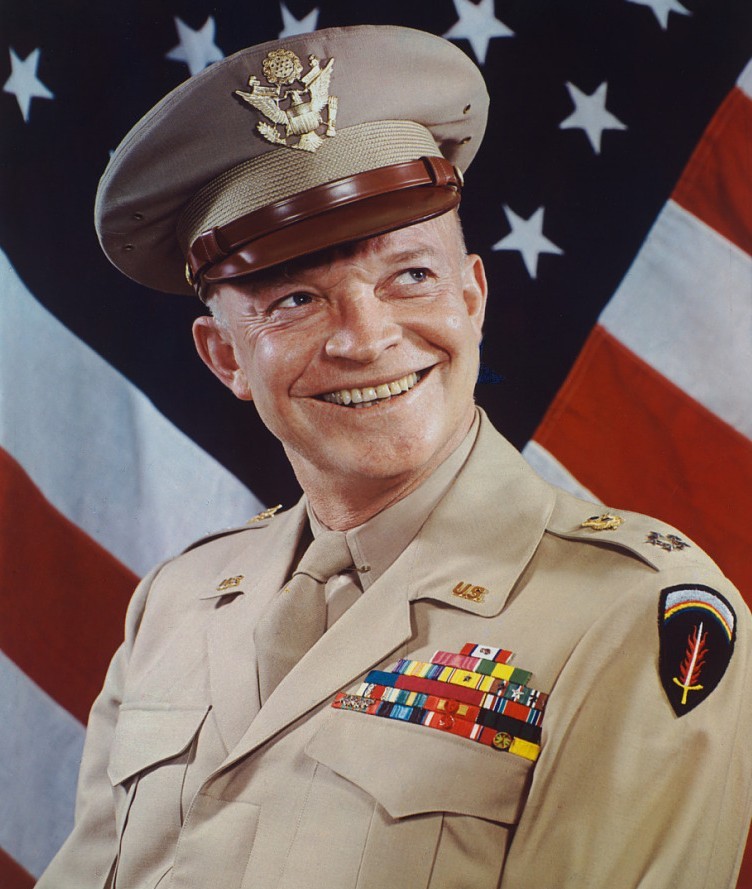
During World War II, Franklin Roosevelt was the U.S. President and Gen. Dwight D. Eisenhower was the military commander in charge of D-Day and an operation called ‘Overlord’ to defeat the German military.
‘This operation included some 176,000 allied troops of the free world, 12,000 airplanes, 10,000 ships, landing craft and special combat vessels. The mission was to attack the ‘heavily’ fortified north coast of France, secure a beachhead and to march to Germany where ‘victory’ could be obtained.’ (Tom Brokaw, The Greatest Generation).
Brokaw summarized this plan as ‘daring, risky, confusing, bloody, and ultimately glorious.’
Eisenhower, the commanding officer of the eight allied nations, issued this order as the attack was planned and about to begin:
“Your task will not be an easy one. Your enemy is well-trained, well-equipped, and battle hardened. He will fight savagely. I have full confidence in your courage, devotion to duty and skill in battle. We will accept nothing less than full victory.”
Wars have dotted the history of our country, but World War II was one of the largest conflicts ever to address. As you can see from those numbers above, it affected the entire globe.
As I reviewed this history, there are so many elements to consider. That leadership of the free world in the likes of Roosevelt, Churchill, Eisenhower and many others were most daring and heroic.
Those who developed the plans, including Eisenhower and other Allied leaders, knew defeating Hitler’s army would be tedious and difficult, and that the suffering and loss of life would be immense.
That assault on that Normandy beach of France, and either its victory and demise of Germany, or its failure and defeat was accepted by the command of Gen. Eisenhower, and he acknowledged that he was responsible for its success or failure.
As Eisenhower’s plan was about to be initiated on June 5th, there was one major problem that the General had not anticipated, and further had no control over.
It was an immense problem that required an even more serious review and decision by his leadership which had the potential to lead to failure.
Last weekend, I went to see a movie titled ‘Pressure’. It was a movie about this very ‘Overlord’ mission to attack the German front at Normandy.
And it involved that predicted weather forecast for June 5th when the assault and mission was to begin.
This element of weather could be a disaster for the Allied plan of attack as one might imagine moving those large number soldiers, ships and assets during a significant storm.
During the movie two weathermen had two significant differences; one predicted a major storm, heavy winds and rain, while the other predicted sunshine and free sailing with little problems.
Eisenhower was stuck in the middle as to whether to proceed as planned or delay the attack on the Normandy beach. It was an intense situation where the two forecasters attempted to convince the General of the outcome.
That decision of Gen. Eisenhower would be the determining factor to either victory or disaster. Each side presented the facts as they studied them. Stopping the mission totally would be most difficult with serious ramifications too; proceeding in a heavy storm would have even more dire consequences.
What would Eisenhower do?
His decision was to delay the assault which created some other serious logistic problems, but he was convinced by the English weatherman that a storm was more likely than not.
Was he right in his decision?
The scene of June 5th, the original day of assault arrived, and as the General and his commanding officers were attending a religious service, the winds began to increase, thunder and lightning followed, and heavy rains drenched the Normandy beach.
Eisenhower had made a wise decision; more countless deaths and likely defeat were avoided.
As the two weathermen continued to evaluate their forecast, they discovered a probability that there would be a small ‘pause’ in the storm, enough to continue their assault a day later.
This recommendation was accepted by Eisenhower, and the assault began of June 6, 1944.
The beginning of the end of World War II had occurred.
On May 7, 1945: German Col. Gen. Alfred Jodl signed the initial unconditional surrender.
And that my friend is the rest of the story.