BLUE RIDGE SUMMIT, Pa. — A tiny museum at the crest of the Sunshine Trail near Blue Ridge Summit showcases a significant battle that disrupted the Confederate Army’s retreat from the Battle of Gettysburg in July 1863.
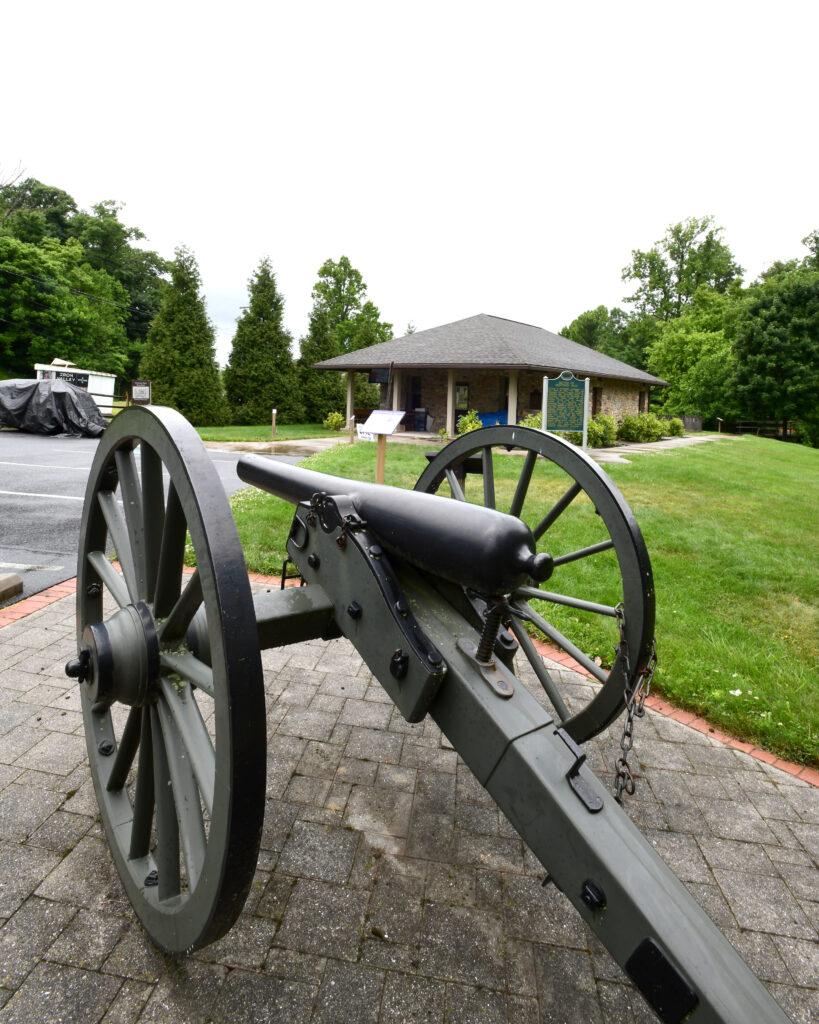
The Battle of Monterey Museum is a part of a 125-acre natural, cultural and historical park located near Blue Ridge Summit. It was here on July 4, 1863, that Pennsylvania’s second largest Civil War battle was fought.
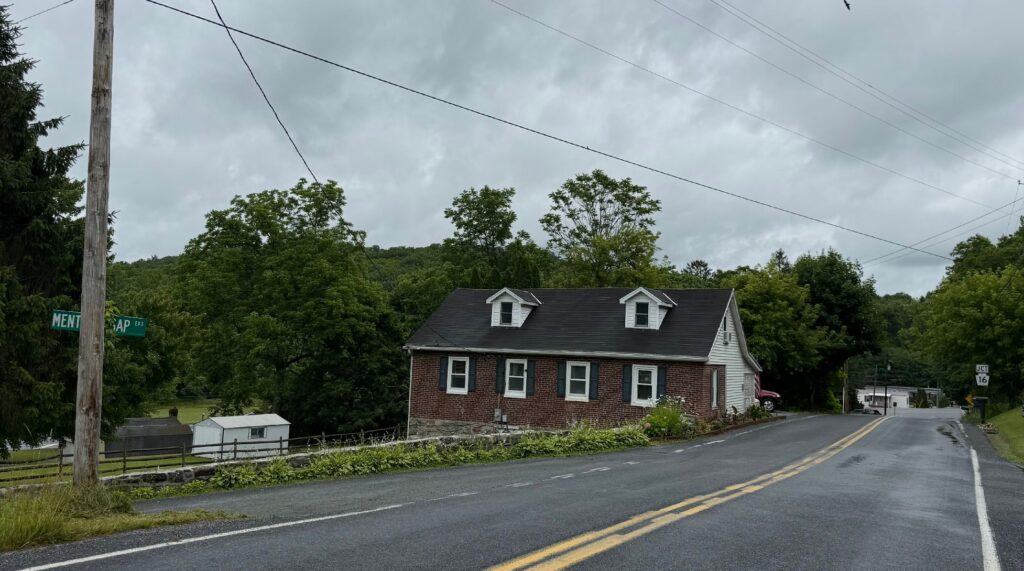
In 1747, immigrants passed through the Monterey area looking for a new life on their way to Appalachia via the Great Wagon Road. Monterey Pass Battlefield Park along with both Rolando Woods Park and Happel’s Meadow Wetlands are rich in natural resources including forest lands, wetlands and diverse ecosystems. These areas form about 225 acres of preserved land.
Battle of Monterey
After the defeat at the Battle of Gettysburg, Confederate Gen. Robert E. Lee commanded his remaining army to retreat northwest toward Chambersburg, turning south towards Waynesboro and Greencastle before heading to Hagerstown to cross the Potomac River for passage back to Viriginia.
A second route Gen. Lee commanded his army to take was through Fairfield Pass, Maria Furnace Road and Monterey Pass. This was a major transportation hub with roads from Georgetown, Baltimore, Pittsburgh and Philadelphia, converging at a toll house.
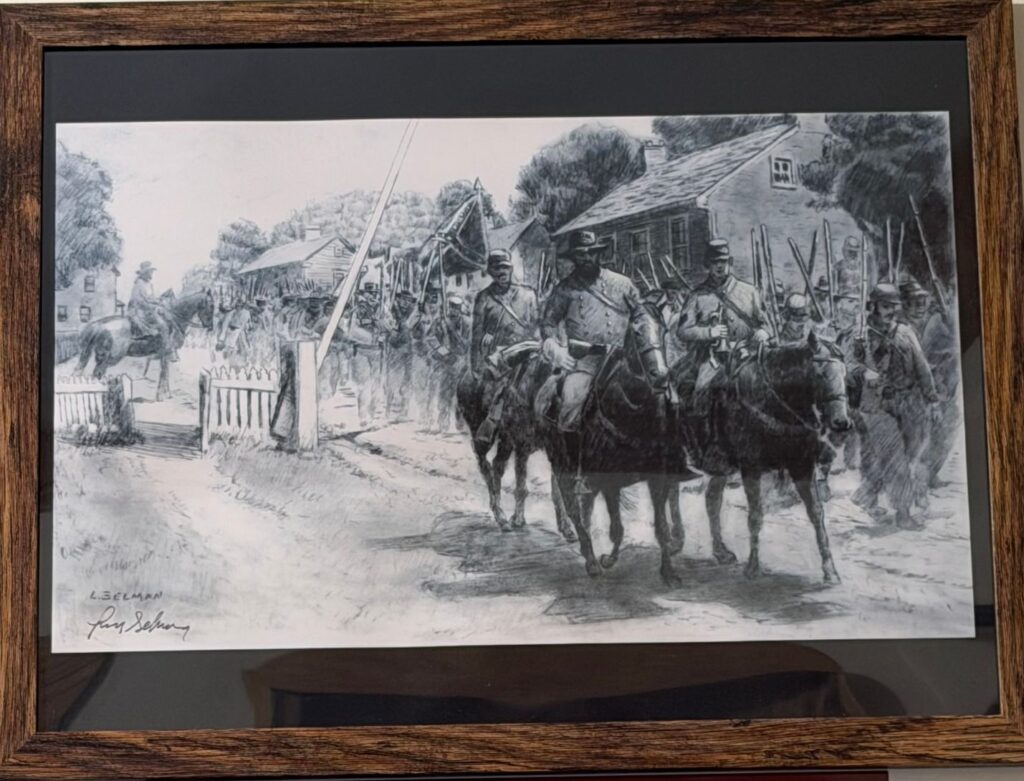
Union calvary and infantry disrupted the Confederate retreat. As the battered Army of Northern Virginia slowly made its way into Monterey Pass at night during a thunderstorm, Union cavalry led by Gen. George Custer attacked the Confederates on land near the current museum. Fighting raged through the overnight into July 5, 1863.
One account of the battle stated panic-stricken horses with no escape route fell off the mountain cliffs and overturned into the steep ravines at the present-day Capitol Camps near Waynesboro. Union and Confederate cavalry, Confederate sharpshooters, Confederate and Union artillery units fought at Monterey and slowly moved toward South Mountain and ended in Maryland.
It was at Ringold, Maryland where Union Gen. Judson Kilpatrick ordered his cavalry to stop the fight. Confederate wagons that were not destroyed along the retreat route were burned in the open fields at Ringgold. Troopers of the 1st Vermont Cavalry invaded Leitersburg, Maryland, and caused some destruction to the town. This Vermont cavalry would meet Gen. Kilpatrick’s troopers at Ringgold before the fighting ended. The Battle of Monterey Pass remains the only Civil War battle fought on both sides of the Mason-Dixon Line.
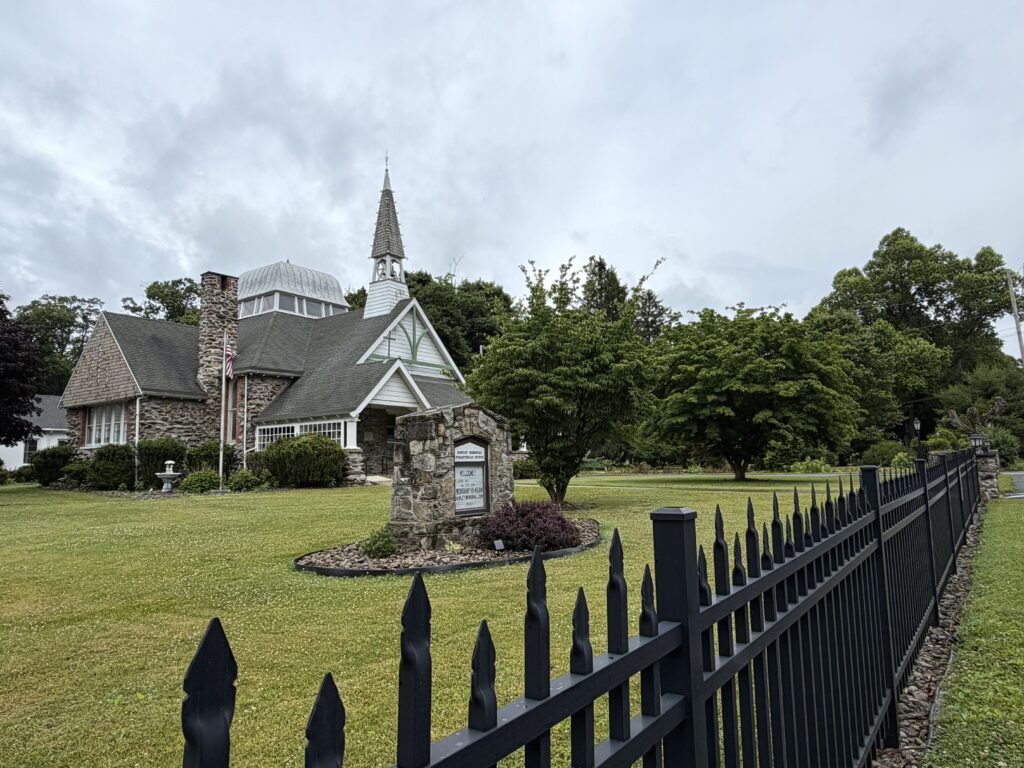
Battle of Monterey Museum
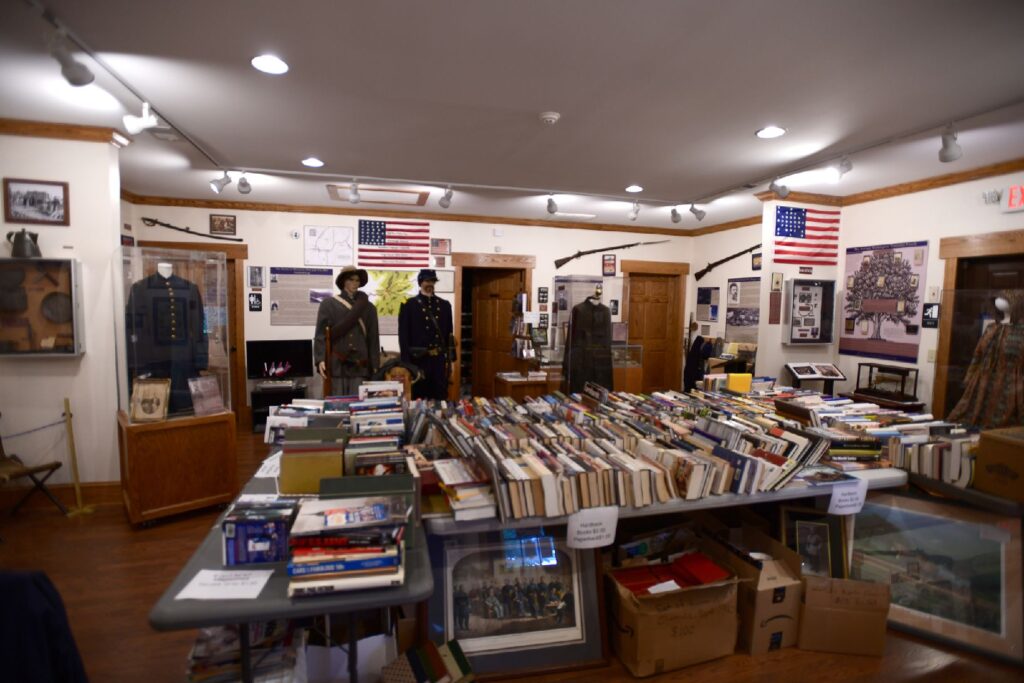
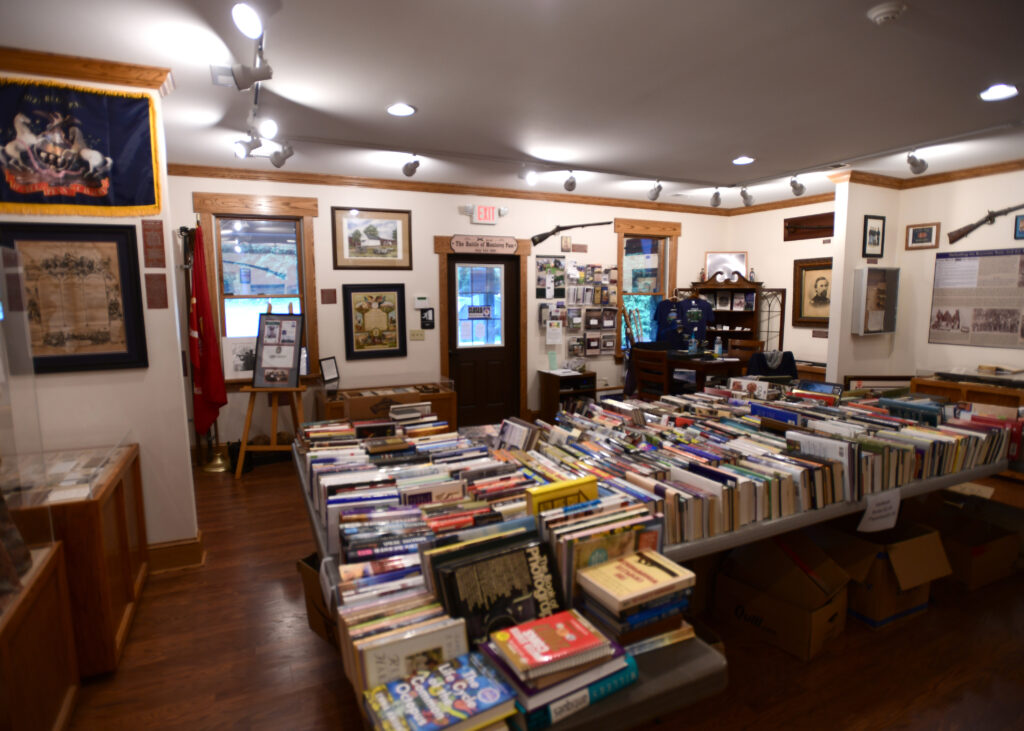
In 2015, the Battle of Monterey Museum opened. “This is a gem for the community” said Darwin Seiler board member of the museum. According to Seiler, over 100 artifacts from the Battle of Monterey and the immediate area are displayed at the museum.
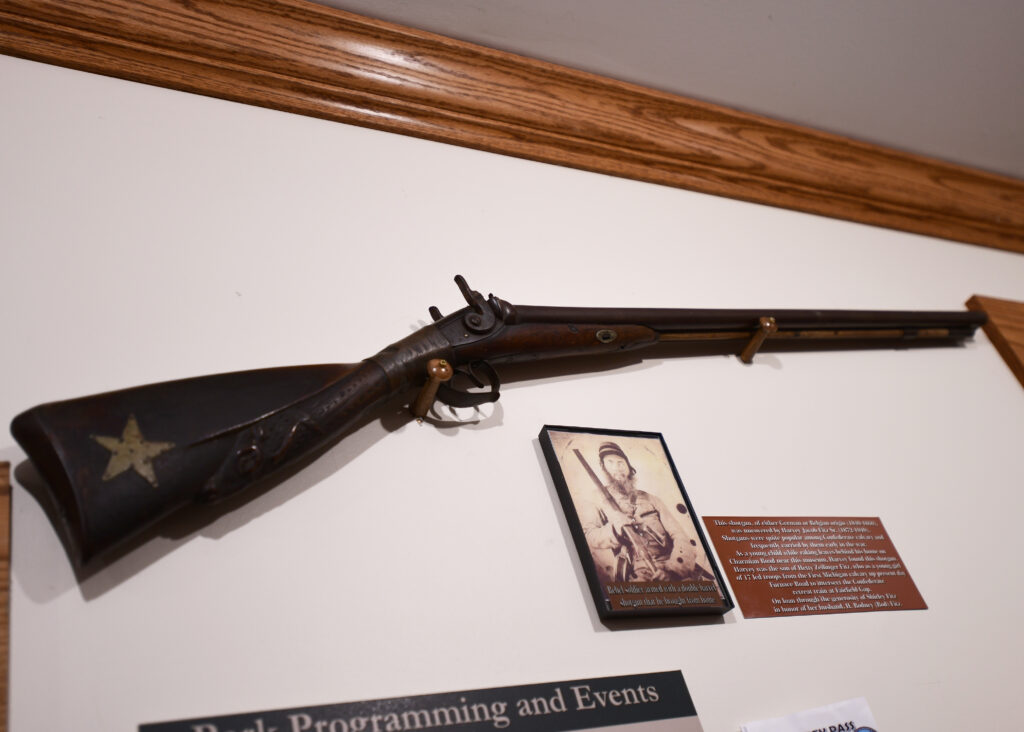
Local Civil War soldiers and their personal items such as Bibles are displayed. Confederate and Union calvary and infantry weapons, uniforms and accoutrements are preserved for public viewing as well.
Monterey Pass Museum is open April through November on weekends from 10 a.m. to 4 p.m. Admission to the museum is free. Special events, battlefield tours, haunts and living history are held in the summer and early fall. Readers may visit montereypassbattlefield.org for more information.