Many people believe that eating healthy is expensive. For families living on tight budgets, that can feel even more true. But with a little planning and a few smart habits, it’s possible to enjoy a nutritious diet without spending extra money.
Here’s how.
Plan before you shop
One of the easiest ways to save money is to plan meals before going to the store. Creating a simple weekly meal plan and a grocery list can prevent impulse purchases and food waste.
Start by checking what’s already in the pantry and fridge. Build meals around those items first. Then add low-cost, healthy staples like beans, rice, oats, eggs, and seasonal produce.
Buy whole foods, not processed ones
Processed and packaged foods often cost more per serving than whole foods. They can also contain added sugars, sodium and unhealthy fats.
Instead, focus on buying whole foods such as fresh or frozen vegetables, fruits and lean proteins. Frozen fruits and vegetables are just as healthy as fresh ones, and they last longer, reducing waste and saving money.
Think in bulk
A bag of dried beans costs far less per serving than canned or prepared versions. A beef roast is a more economical way to eat meat than purchasing steaks or even ground meat. Whole chickens are usually cheaper per pound than buying chicken breasts alone and can stretch across several meals.
If you have the freezer space, consider buying meat in bulk directly from local farmers. Many small farmers offer options to buy a quarter, half or whole cow. While it is a higher upfront cost, it will significantly lower the cost per pound and provide a steady supply of meat for months. You’ll also avoid frequent store trips and have better control over the quality and cuts of meat you use.
Shop smart with sales and store brands
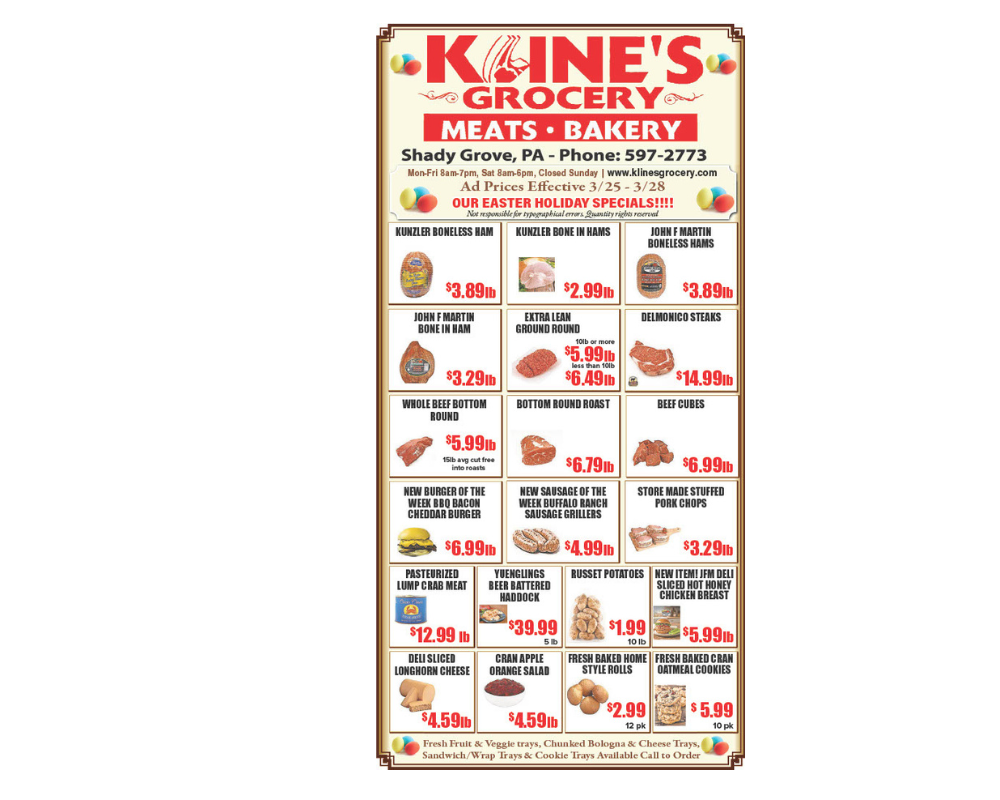
Checking weekly store flyers for sales and stocking up on healthy staples when prices are low can save significant money over time.
Also, don’t overlook store-brand items. In many cases, they offer the same quality as name brands at a lower cost. Store-brand foods can cost 20 to 25 percent less than national brands while delivering similar or better quality.
Cook at home more often
Eating out, even at fast-food restaurants, quickly adds up. Cooking at home not only saves money but also allows for healthier choices and better portion control.
Simple, affordable meals like soups, casseroles, stir-fries and slow-cooker dishes can be both satisfying and nutritious. Preparing larger portions and using leftovers for lunches or future meals stretches the food budget even further.
Grow your own (when possible)
For those with space and time, even a small vegetable garden can provide fresh, low-cost produce. Crops like tomatoes, lettuce, peppers and green beans are relatively easy to grow and can thrive in containers or raised beds. Herbs like basil, parsley and mint also grow well in pots and add flavor to meals without extra cost.
A well-managed home garden can yield up to $600 worth of produce in a single season.
Limit sugary drinks and packaged snacks
Sodas, sweet teas and snack foods not only add empty calories but also drain the grocery budget. Choosing water, unsweetened teas, and whole-food snacks like fruit, nuts, or air-popped popcorn not only saves money but also supports better health.
Many households spend more than $100 a month on processed snacks and junk food, plus another $100 on sugary drinks like soda and juice. That adds up to over $2,000 a year, not including fast food or restaurant meals. Cutting back on just some of these items can free up money for healthier options, without increasing your grocery bill.
Use portion control
Eating the right portion sizes can stretch meals further and help prevent overeating. Using smaller plates or measuring servings can help food last longer and reduce grocery costs.
Final thoughts
Eating healthy does not require a big budget or fancy ingredients. With a little planning, smart shopping and simple cooking, anyone can enjoy nutritious meals without spending more.
By focusing on whole foods, taking advantage of sales, cooking at home and even growing some of your own produce, it’s possible to eat well while saving money. Small changes can lead to better health and more money left in your wallet, a win-win for any household.
Holly Bertone is a certified holistic health coach practicing in Chambersburg.