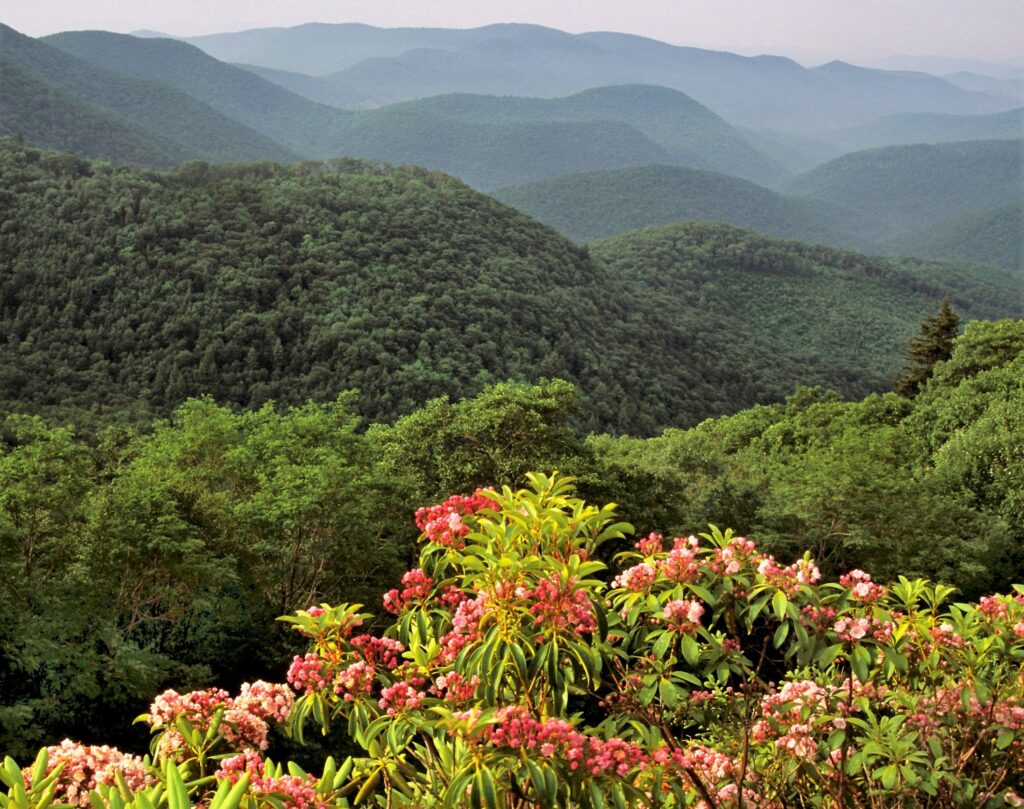
Within the lush Appalachian landscape of the modern-day Mason-Dixon Line region, remnants of history remind locals of the area’s illustrious past, centered around the Blue Ridge Summit community. Several distinct characteristics are noteworthy from those bygone days, and a prominent aspect is mountain hospitality.
Today, the picturesque highland scenery remains intact. Adding to that beauty are many fascinating relics, which include a historic site commemorating a midnight Civil War battle, a once-famous park that was the epitome of mountain entertainment and an ancient golf course that symbolizes the recreational pursuits that brought thousands of tourists to this unique mountaintop.
However, the grand architectural giants of the area’s hospitality heyday are gone. Many of those once-thriving hotels were quietly torn down, but three others suffered more spectacular demises during a half-century period from 1913 to 1967. That trio of resorts, the Blue Mountain House, the Buena Vista Springs Hotel and the Monterey Inn, were lost due to devastating fires.
During the late 1700s, after Pennsylvania and Maryland settled early boundary disputes, tributes to a Founding Father denoted early territories on both sides of the Mason-Dixon Line. Washington County, Maryland, and Washington Township, Pennsylvania, both honor George Washington, and these adjoining tracts share striking mountain settings.
These areas were the frontier during that era, and roads leading west soon bisected these two Washington-themed lands. Later, new technology bolstered those primitive highways as railroads brought people and vital supplies west. In 1863, the Blue Ridge Summit area served as a strategic escape route for Gen. Robert E. Lee’s Confederate forces after the epic battle at Gettysburg. Union forces caught them at Monterey Pass and a major fight ensued, contested during a fierce nighttime thunderstorm.
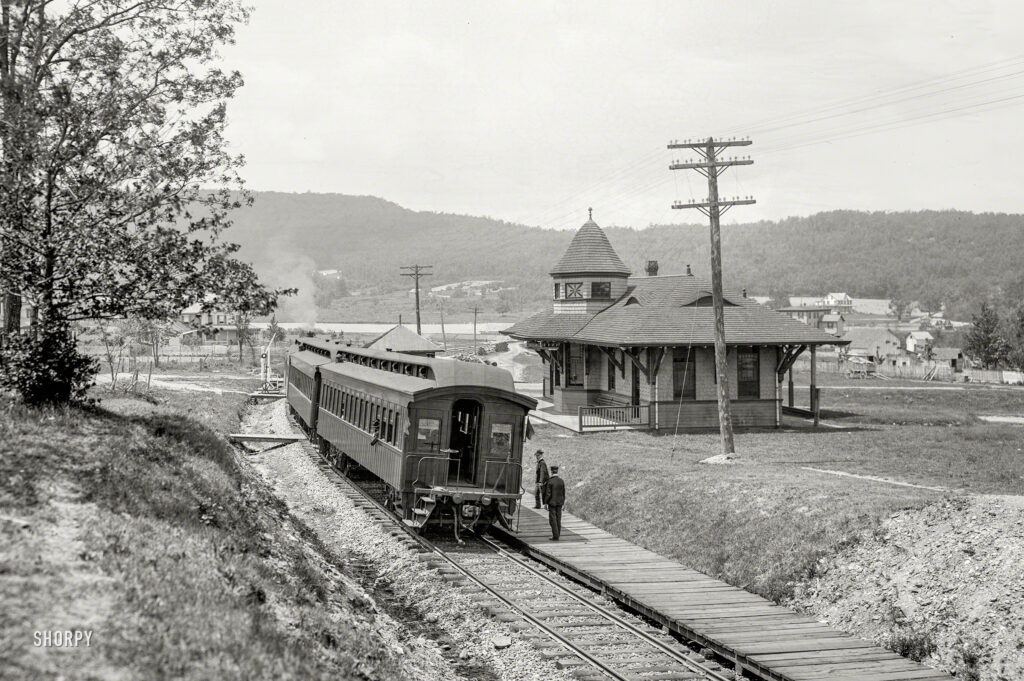
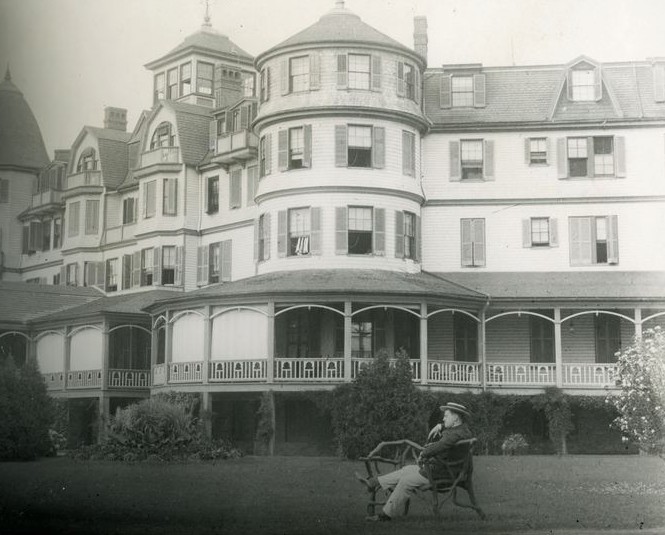
After the war, railroads entered the tourism business. The Western Maryland Railway opened Pen Mar Park in 1877, and the attraction was an instant success. Tourists rode the rails to the park, and soon afterward, WMR expanded their business interests further, building a grand hotel nearby. The Blue Mountain House opened on July 1, 1883.
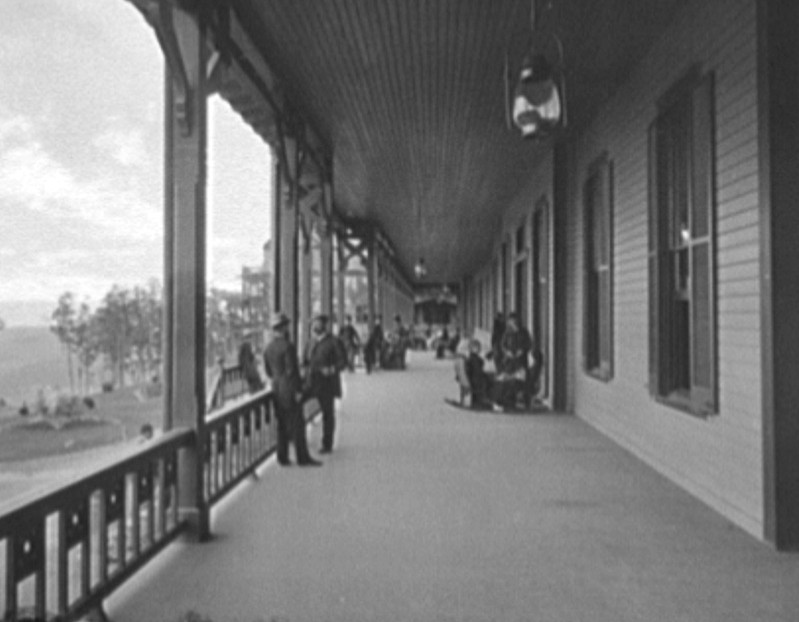
The construction of the four-story wooden building featured Georgia pine and included all the latest interior amenities. However, the resort marketed itself foremost as an outdoor playground, calling the view from the veranda “a scene of panoramic enchantment.” The hotel sold its guests on the nearby attractions, which included company-owned Pen Mar Park and the overlook at High Rock, which offered a view described as a “peep into four states and 22 counties.”
An impressed English guest at Blue Mountain House gave a testimonial to a London newspaper: “Never have I gazed upon a concentration of nature’s charms so enchanting and beautiful as the scenic panorama of the Cumberland Valley.”
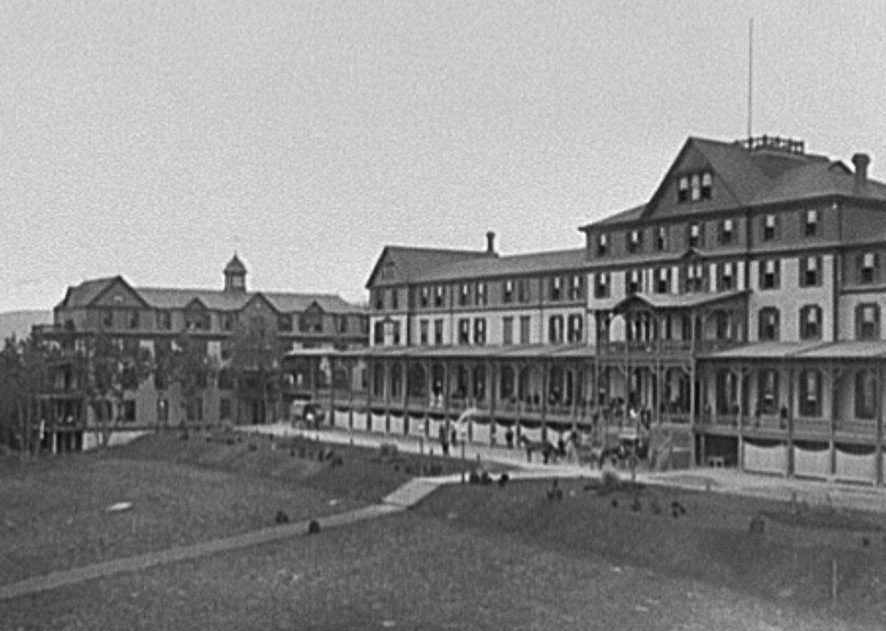
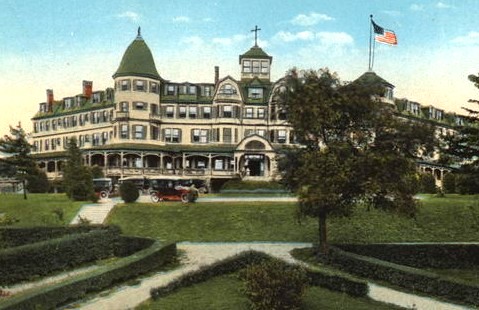
As the area grew in popularity, the Buena Vista Springs Hotel opened in June 1891, and the new resort surpassed the Blue Mountain House’s grandeur. With its five stories and 250 rooms, the Victorian-style Buena Vista wowed guests. After the turn of the century, the hotel became a hospitality icon, attracting U.S. President Woodrow Wilson and celebrity guests like film actress Joan Crawford.
The hotel called its native surroundings the “Alps of America.” Buena Vista was a complete resort with a golf course, riding stables, a swimming pool, a bowling alley and a large ballroom where guests enjoyed nightly dancing. One local described the hotel when looking east toward the mountains: “It looked like a gigantic ship riding at anchor on a wave of trees.”
The Monterey area of Blue Ridge Summit also developed into a recreation mecca during the middle to late 1800s. The Monterey Inn, at the intersection of Route 16 and Monterey Lane, was an early hospitality venue built in 1849 offering 88 guest rooms and reportedly served as a makeshift hospital after the 1863 Battle of Monterey Pass.
As the 20th century approached, tourists and summer residents journeyed from large eastern cities to enjoy cool mountain air. A Baltimore couple named Warfield arrived at Monterey Inn as early guests one summer season, and on June 19, 1896, they welcomed a baby girl named Bessie at one of the resort’s cottages.
Famed physician Walter Reed built a summer home on the mountain to escape the Washington, D.C., heat and humidity. Sadly, Reed died a short time later from a ruptured appendix in 1902. His wife, Emillie, and daughter, Blossom, became respected Blue Ridge Summit society members as they also ventured into the hospitality industry.
The first warning that the Pen Mar/Blue Ridge Summit/Monterey recreation dynasty was vulnerable occurred on August 5, 1913. At 5:50 a.m., a Blue Mountain House guest noticed smoke billowing underneath the front porch. A fire had started in a porter’s office near the elevator shaft.
A night watchman discharged his revolver to sound an alarm, and bellboys sprinted along the hotel’s long hallways, shouting and banging on doors to warn sleeping patrons. The fire spread quickly in the building’s center section, forcing frantic guests to escape at far ends of the hotel.
One woman dove out a third-floor window, bounced off a second-floor roof, and landed on the ground, dazed but unhurt. Other guests found fire exits blocked and scrambled for secondary escape routes, some crawling on the floor toward stairwells. Two men from Norfolk, Virginia, were trapped in their room and badly burned. At extreme risk, a bellboy rescued them from the flames.
Aided by airflow from the elevator shaft, the fire quickly consumed the hotel. The building, built in 75 days 30 years earlier, was destroyed in hours, at a loss of $200,000. The value of the guests’ clothing, jewelry and other belongings totaled $250,000, large amounts in 1913. The mountain community was stunned.
Luckily, all 200 Blue Mountain guests and the hotel staff escaped the building alive. The two Norfolk men turned down Room 413 at check-in because it contained an unlucky number. That tragic night, the duo settled in Room 409 instead (apparently unaware those numbers totaled 13), but both men ultimately recovered from their burn injuries.
That same summer, the nearby Buena Vista Springs Hotel continued onward and hosted 300 guests attending the 50th anniversary of the Battle of Gettysburg.
In the months following the Blue Mountain House fire, the hotel’s ownership hinted a rebuild was imminent, but they later sold the property to another investor group. Plans to build a new Blue Mountain House never materialized.
American society evolved in new directions during the “Roaring ’20s.” The rise of the automobile gave individuals more freedom, and this lessened dependence on rail travel. Prohibition shifted societal alcohol customs by outlawing public drinking establishments. However, people still traveled to the Mason-Dixon region’s mountain resorts.
In July 1925, the Monterey Inn caught fire, but the building survived. Later, as the 1920s concluded, the stock market crashed, and the Great Depression arrived, further eroding the area’s tourism base and hinting at troubled times ahead.
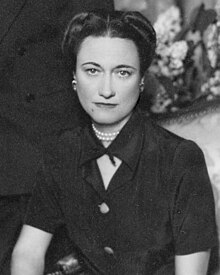
Americans weathered harsh economic times during the 1930s. But one person with local ties achieved international notoriety that decade. Born to proud parents at the Monterey Inn four decades earlier, Bessie Wallis Warfield had grown up to become a socialite. As an adult, she was better known by her middle name combined with her second husband’s last name. While traveling in Europe, Wallis Simpson met Britain’s Prince of Wales in 1931.
Five years later, after that Prince became King Edward VIII, Simpson fell in love with him and divorced her husband. A major social and political scandal loomed as the Monarch intended to marry a twice-divorced woman with two living ex-husbands. King Edward startled the world when he made a memorable romantic decision, abdicating his throne for Simpson, describing her as the “Woman I love.” The couple stayed married until Edward died in 1972.
After America entered World War II in December 1941, local tourism declined further. During the war years, Pen Mar Park’s various buildings and beloved attractions were razed as a half-century of magical entertainment concluded.
On July 2, 1942, tragedy struck again at the Monterey Inn when a second fire erupted. This time, the well-known resort suffered a fatal blow.
At 1:30 a.m., Elaine Etter, a woman who worked at the inn as a waitress and lived onsite, noticed a bright reflection dancing in her room’s window. A guest from Washington DC was jolted awake in his bed when a hot ember fell onto his head. Employees quickly alerted the inn’s 25 guests, and everyone escaped the building in their nightclothes. The fire also spread to the adjoining cottage where Wallis Simpson, now married to a former King, was born 46 years earlier.
Firemen aimed 10 streams of water at the building, utilizing the hotel’s reservoir and cistern, but the flames spread rapidly from the original brick structure to the weatherboard additions, destroying the building. Several employees lost their earthly possessions, but all escaped with their lives. The Waynesboro newspaper described the Monterey Inn after the fire: “The smoke-blackened brick walls of the original hotel stood like tombstones over the smoldering embers of the once-famous structure.”

During the 1950s and ‘60s, several other mountaintop hotels stayed open. The Greystone Inn was one notable example. But the grandest hospitality relic, the Buena Vista Springs Hotel, closed during the Great Depression. A Baltimore-based Jesuit group called the Maryland Province of the Society of Jesus bought the property in 1931. They renamed the hotel building Bellarmine Hall, honoring a Catholic Saint. The organization used the old Buena Vista property (Spanish for “Good View”) as a dormitory and classrooms for summer retreats and religious study.
Nearby, Maryland designated Pen Mar Park as a State Park in 1964, but the property never became a functioning state-sponsored recreation site. By this period, most of the hotels and boarding houses in the Pen Mar community were extinct.
Fog shrouded the Blue Ridge on the morning of December 8, 1967. That day, a final conflagration claimed the last great local resort hotel. A German Shepherd named Taffy barked at 4:30 a.m., alerting its owners, the Peiffers, who lived near the old hotel. They saw flames and phoned the fire department. Nine local units rushed 200 firefighters to the scene, but the unoccupied building was doomed. By 6:30 a.m., only the blackened chimneys of the 76-year-old resort building remained standing.
With the last renowned hotel gone, the only silver lining was that while all three disastrous fires (1913, 1942, 1967) erupted between midnight and 6 a.m., no one died, a minor miracle.
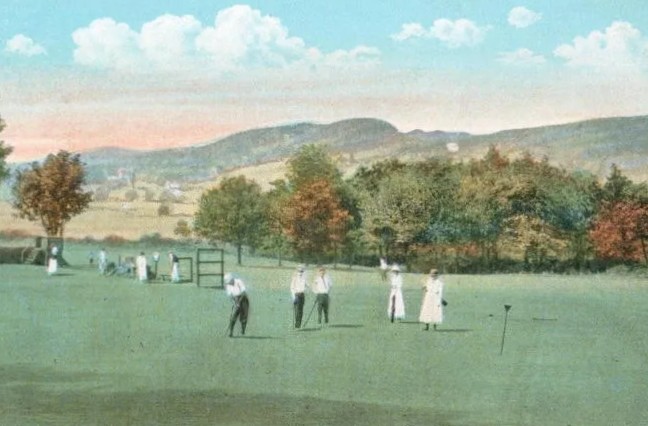
In 1977, Pen Mar Park became a Washington County park, bringing back a vestige of the area’s resort luster. Throughout the 1900s, the Monterey Golf Club survived, but after 1942, it was an orphan to its deceased master, the Monterey Inn. Designed in 1885, these links still welcome golfers as one of the five oldest courses in the nation. American Presidents Calvin Coolidge and Dwight Eisenhower played its scenic nine-hole layout. The National Register of Historic Places designated the Monterey Historic District in 1976.
The panoramic scenery that brought loyal tourists to the Blue Ridge Summit area remains a stunning sight today. The famed Appalachian Trail passes through the area, and Happel’s Meadow Wetland Preserve protects a unique plateau landscape.
All that remains of these once-grand resorts are old postcards and fading memories. The natural landscape has reclaimed the foundations of the ancient buildings that once hosted thousands of summer tourists. Today, the Blue Ridge Summit area is treasured by long-time residents and is also loved by nearby lowland folks who appreciate the hospitality legacy built on an Appalachian mountaintop.