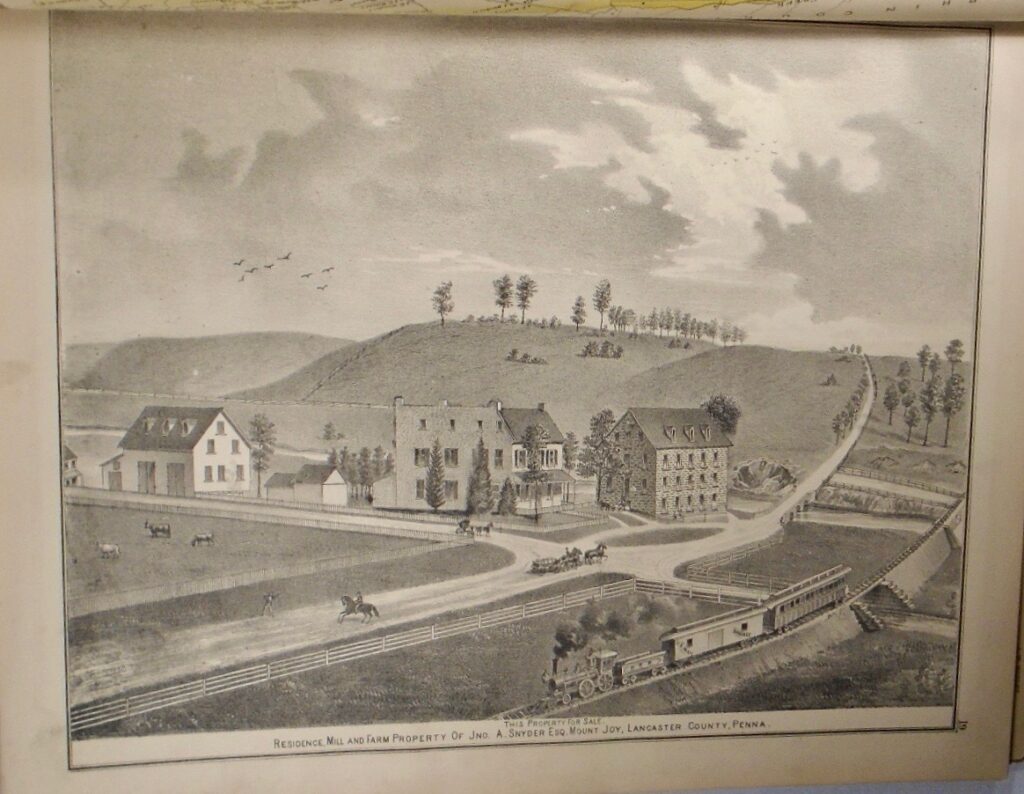
Frontiersman James Smith may have passed away on April 11, 1813, but his name is etched into the lore of Franklin County for eternity, and for good reasons. His story is one for Hollywood. Explorer, soldier, captive and a loving husband and author.
Born on November 26, 1737, in Lancaster County, which is now modern-day Franklin County, and while little is known about his childhood and upbringing, it is known that he came from a family of farmers from Virginia who immigrated to America from England.
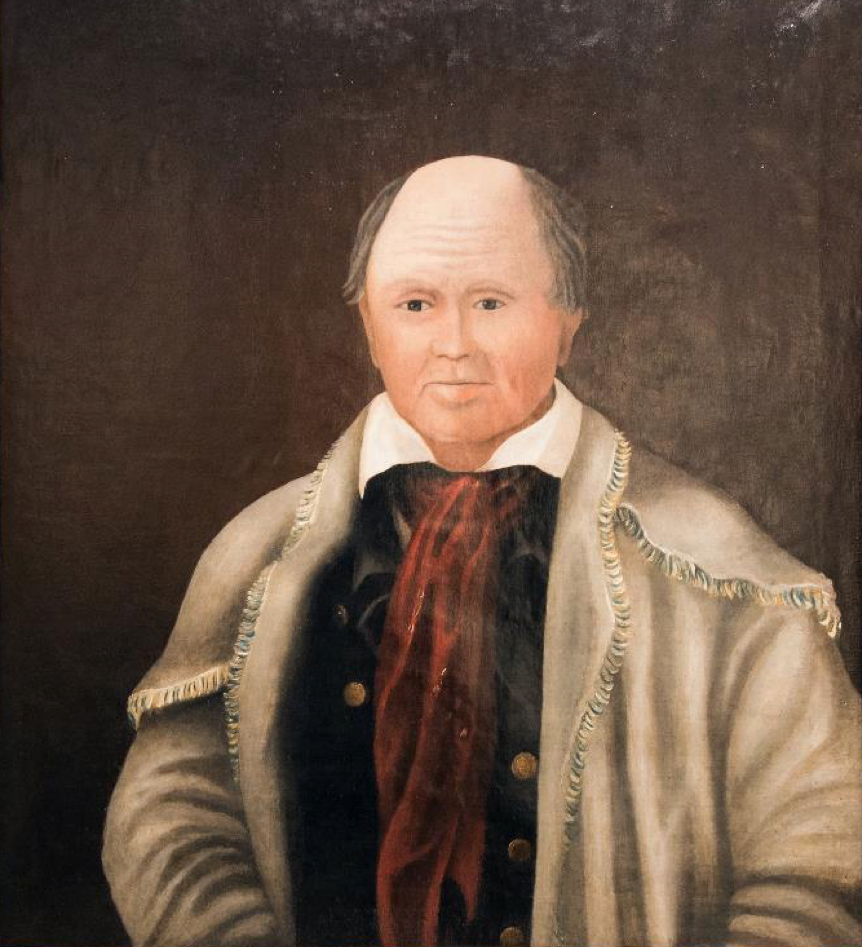
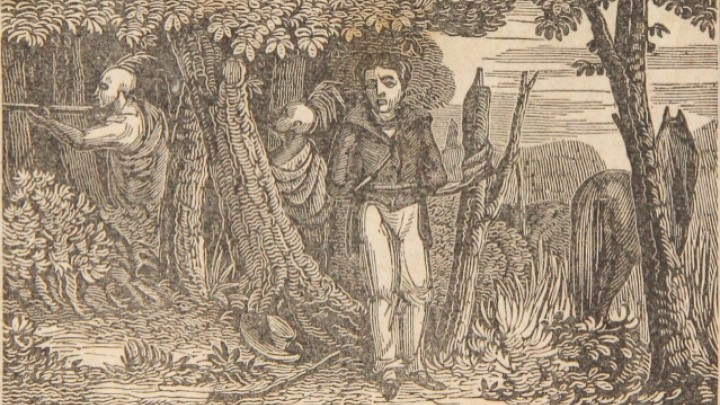
In May of 1755, Smith, who was just 18 years old, was one of the men helping to build the Braddock Road, which was to support Gen. Edward Braddock in the fight against the French during the French and Indian War (1754-1763). During the construction the men were attacked by Delaware Native Americans, and Smith was captured.
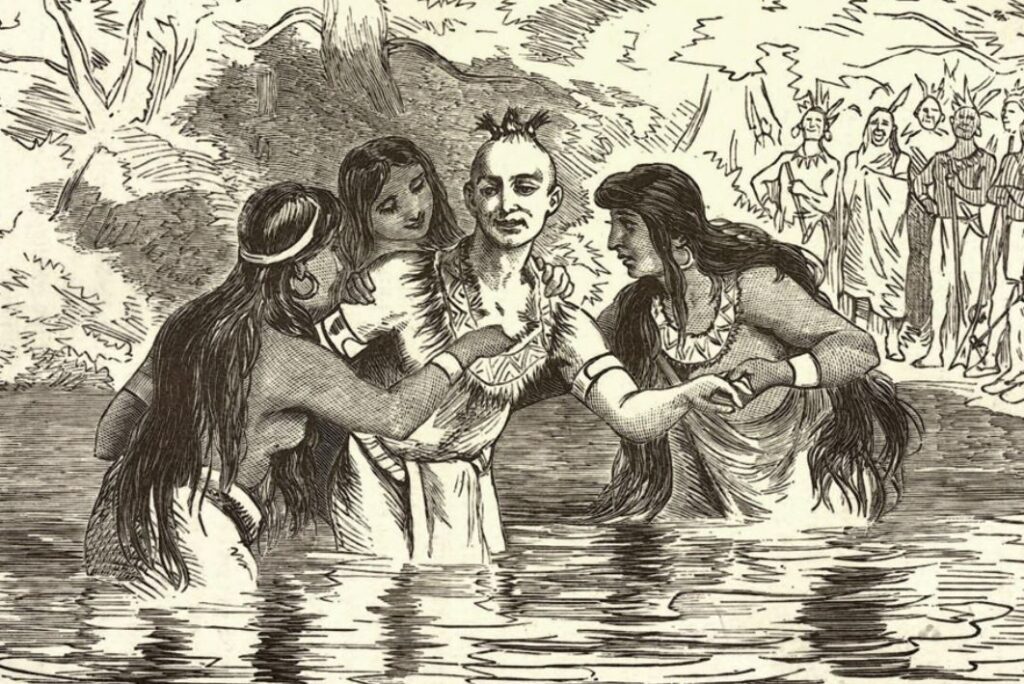
He was forced to face “the gauntlet” which basically is him being forced to walk through a line of braves who would beat him with clubs and rocks as he passed by. Having survived the ordeal, he was handed over to the French who then handed him over to a Mohawk tribe, who adopted him as one of their own.
He remained with the tribe for five years and traveled north with them, making it nearly to Montreal, Quebec, Canada, before escaping. He was captured again by French troops and was thrown in jail, where he would remain for four months. As the war neared its end, he was released as part of a prisoner exchange and returned home to Pennsylvania.
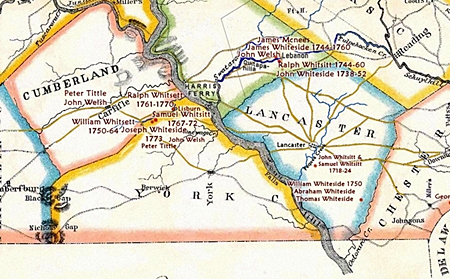
Having survived captivity and imprisonment, Smith settled back into a normal life as a farmer. He also took a wife in May of 1763, a lovely local girl named Anne Wilson. But the simple life would not last long as the specter of conflict once again rose on the horizon.
In 1763, still 10 years away from the American Revolution, Smith joined up with unofficial band of militia known as “The Black Boys” which was named after a local resident of Mercersburg named James Black. The group was upset over the recent British policy of allowing trade with Native Americans and began to attack trains and cargo wagons containing goods for the trading.
Things culminated in 1865, when the rebel group attacked Fort Loudon, and captured the soldiers stationed there. They used the men for trade to release local settlers who had been imprisoned for refusing to trade with Native Americans.
In 1769, the Black Boys would eventually disband after an altercation in Bedford when one of the Black Boys was accidently killed during a skirmish with some locals. Smith was arrested for the murder and was jailed for four months before getting exonerated.
Smith would then return home to his family and farm in Pennsylvania but would soon find himself in the thick of battle once again. This time for the great cause of independence. In 1778, he was made Colonel for the Pennsylvania militia during the American Revolutionary War (1765-1783).
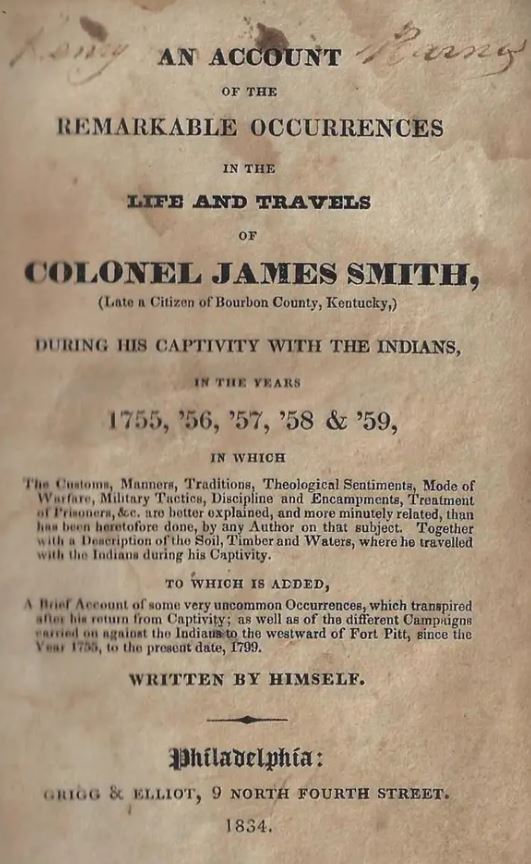
After his beloved Anne died in 1778, Smith left the ugly life of war and death behind him. He settled down with a new wife, Margaret Irvin in 1785 in Bourbon County, Kentucky. There he would write his memoir, “An Account of the Remarkable Occurrences in the Life and Travels of Col. James Smith” which was published in 1799. He also became missionary for the Native Americans he was captured by and spent his life fighting against.
Col. James Smith died quietly in the home of a friend in Kentucky after suffering an undisclosed illness at the age of 75. Smith lived many lives in his time on earth. He survived countless battles and skirmishes and captivity. He became a successful writer and missionary. He was a devoted husband and friend. He lived life on a grand scale and then left it on a quiet whisper, but his legacy still shines in the annals of history.