HAGERSTOWN – Washington County has solidified its commitment to conserving its rural landscape, announcing that nearly 43,000 acres, about 14.5 percent of its total land, have been permanently preserved since the launch of its land preservation program in 1981.
This year alone, the county added over 1,200 acres to its protected areas, reinforcing its position as a leader in safeguarding farmland and open spaces.
The efforts have been spearheaded by the Department of Planning & Zoning, which has leveraged a mix of local, state and federal partnerships to protect the county’s agricultural heritage and natural environs.
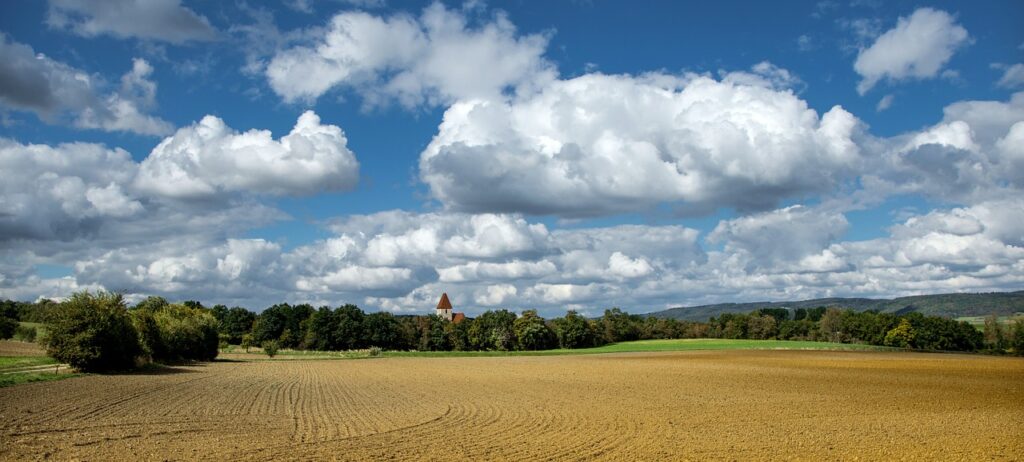
The preserved lands not only support a continued agricultural economy but also maintain the scenic vistas that are a hallmark of the county’s topography.
“Preserving land is an investment in our community’s future,” said county Director of Planning & Zoning Jill Baker. “These efforts protect our farmland, bolster our economy and ensure the county’s natural beauty endures for generations. We’re grateful to the landowners and partners who share this vision.”
The county’s initiatives strike a balance between growth and conservation, prioritizing both environmental stewardship and economic vitality. Residents have played a key role in supporting these efforts, helping to maintain the area’s rural character.
Funded by the state Department of Natural Resources and administered locally by the Rural Preservation office in the Planning & Zoning department, the Rural Legacy Program is a linchpin of the county’s land preservation strategy, accounting for a quarter of all permanently preserved land in the county.
In recent years, commissioners have increased funding for rural preservation, including a $1.5 million contribution from the 2024 General Fund, as well as an additional $100,000 for an agricultural grant program, which is financed with hotel taxes, to promote the growth of agribusiness.
For the last three years, the county has provided three separate commitments to the state’s Agricultural Land Preservation program’s 60/40 Match mechanism. This year, it has been able to commit the full 40 percent match of $1.33 million for that program.
Other tools the county uses to preserve land with agricultural, historical and environmental significance include the Conservation Reserve Enhancement program, the county’s Installment Purchase program, local forest conservation easements and federal programs such as the Farm and Ranchland Protection program and Federal Scenic Easements.
The county also works with nonprofit and land trust organizations, including the Maryland Environmental Trust, Antietam Battlefield Trust and Mid-Maryland Land Trust.