HARRISBURG, Pa. — Pennsylvania’s highest court has ruled that so-called skill games are subject to the state’s gambling laws, a decision that could reshape gambling regulation, state revenue and thousands of small businesses across the commonwealth.
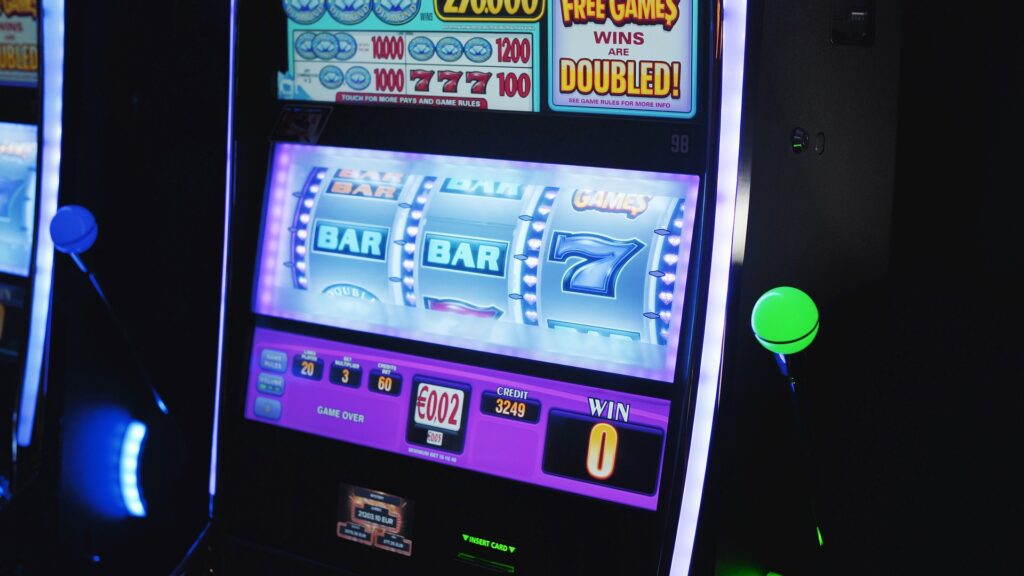
The machines, commonly found in bars, convenience stores and fraternal organizations, resemble slot machines but have been marketed as games that rely on player skill rather than chance.
In a decision issued Monday, the Pennsylvania Supreme Court found the machines are subject to both the state’s Gaming Act and Crimes Code, overturning a prior Commonwealth Court ruling the justices described as “deeply flawed.”
The court acknowledged the widespread use of the machines and the disruption its ruling may cause, issuing a 120-day stay on enforcement. During that period, law enforcement agencies are barred from taking action against operators, giving lawmakers time to determine a regulatory path forward.
The decision follows a years-long legal and political battle involving Pace-O-Matic, a Georgia-based manufacturer of the machines. Industry representatives have argued the devices rely on player skill rather than chance and therefore fall outside traditional gambling laws.
Attorney General Dave Sunday called the ruling a “significant victory for consumers, taxpayers, and the rule of law in Pennsylvania,” emphasizing that the machines must meet the same standards as other regulated gambling devices.
“These machines operate as gambling devices and cannot legally exist without the same oversight, regulation and accountability as other forms of legalized gaming in the Commonwealth,” Sunday said.
Republican legislative leaders also welcomed the ruling, saying it will factor into ongoing state budget negotiations.
Senate President Pro Tempore Kim Ward and Senate Majority Leader Joe Pittman said gaming reform is now a pressing issue tied to both public safety and the state’s fiscal outlook. With Pennsylvania facing a structural deficit approaching $5 billion, they noted that potential revenue from regulating the machines could help support the general fund.
Lawmakers had largely paused action on proposed taxes and regulations while awaiting the court’s decision. With the ruling now issued, discussions are expected to intensify ahead of the budget deadline.
Pace-O-Matic criticized the decision, saying it does not reflect prior lower court rulings that upheld the legality of its games, including a unanimous Commonwealth Court opinion. The company warned of significant consequences for businesses that rely on the machines for supplemental income.
In a statement, the company said more than 10,000 small businesses and fraternal organizations could be forced to either remove the machines or face burdensome regulation and taxation. Pace-O-Matic expressed support for proposed legislation sponsored by Sen. Gene Yaw and Rep. Danilo Burgos that would establish a regulatory framework and tax structure for the games.
Despite its criticism, the company said it will comply with the law and work with lawmakers during the 120-day window to pursue a legislative solution.
The Supreme Court noted that determining public policy ultimately rests with the General Assembly, leaving the door open for lawmakers to craft new rules governing the estimated 70,000 machines currently operating statewide.
Gov. Josh Shapiro, who has proposed regulating and taxing skill games as part of his 2026-27 budget plan, had not commented on the ruling as of Monday evening.