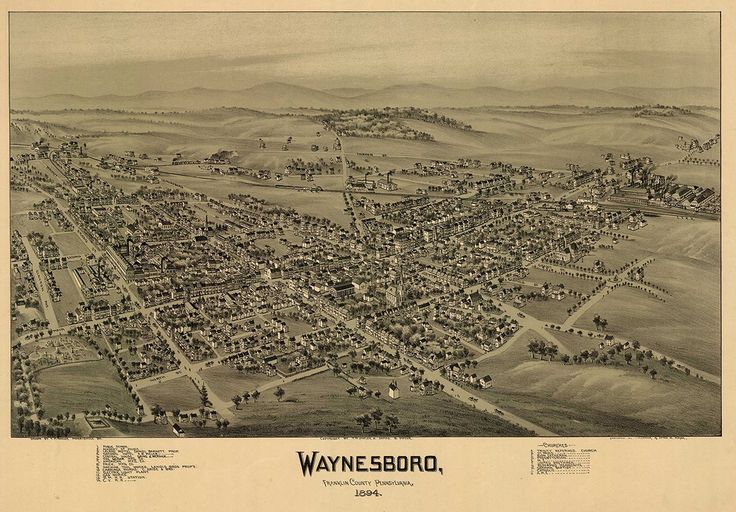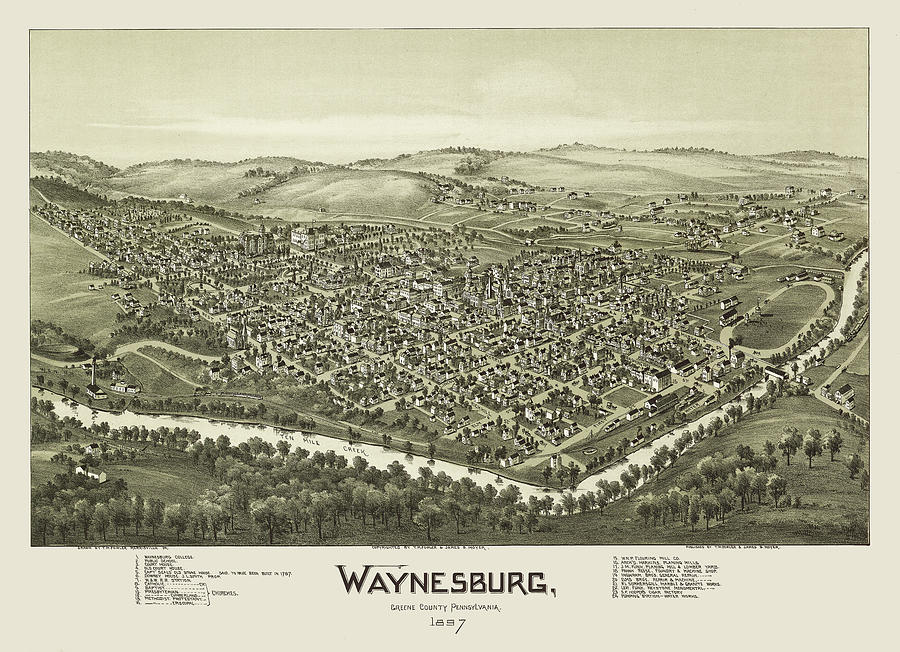
Editor’s note: Robb Helfrick has brought readers Local History with tremendous detail, energy and fine writing for the last few years. Robb has moved on, and now we introduce Dusty Fleishman of Waynesboro, who you have been reading on our pages for several months. He will put his own touch on the region’s rich history.
Waynesboro is brimming with history, but when did that history begin? How did the town that would be named after a famous Revolutionary War general evolve while in one of the most dangerous territories during the Seven Years War?
It was in the year 1749, that a Scottish immigrant named John Wallace would obtain the rights to a piece of land in a southern part of Pennsylvania just miles from the Maryland border. Wallace would build a small community that would be originally called Wallacetown.
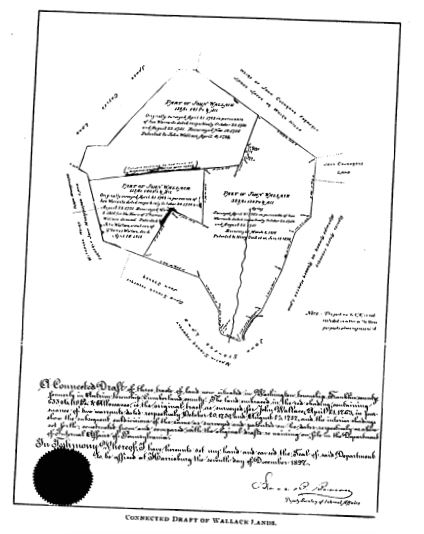
In the book, “The History of Waynesboro” written by Benjamin Mathias Nead and published in 1900, the following excerpt describes the pioneer spirit of the small settlement that had sprouted within the Cumberland Valley.
Mead celebrated, “the bravery, indomitable perseverance and self-sacrificing spirit of the pioneers of civilization, who planted the first settlements and towns in the remote parts of Pennsylvania in the heart of the cherished domain of a savage people, where danger and death lurked, not only in mountain and forest, but stalked in the open valley of noon day.”
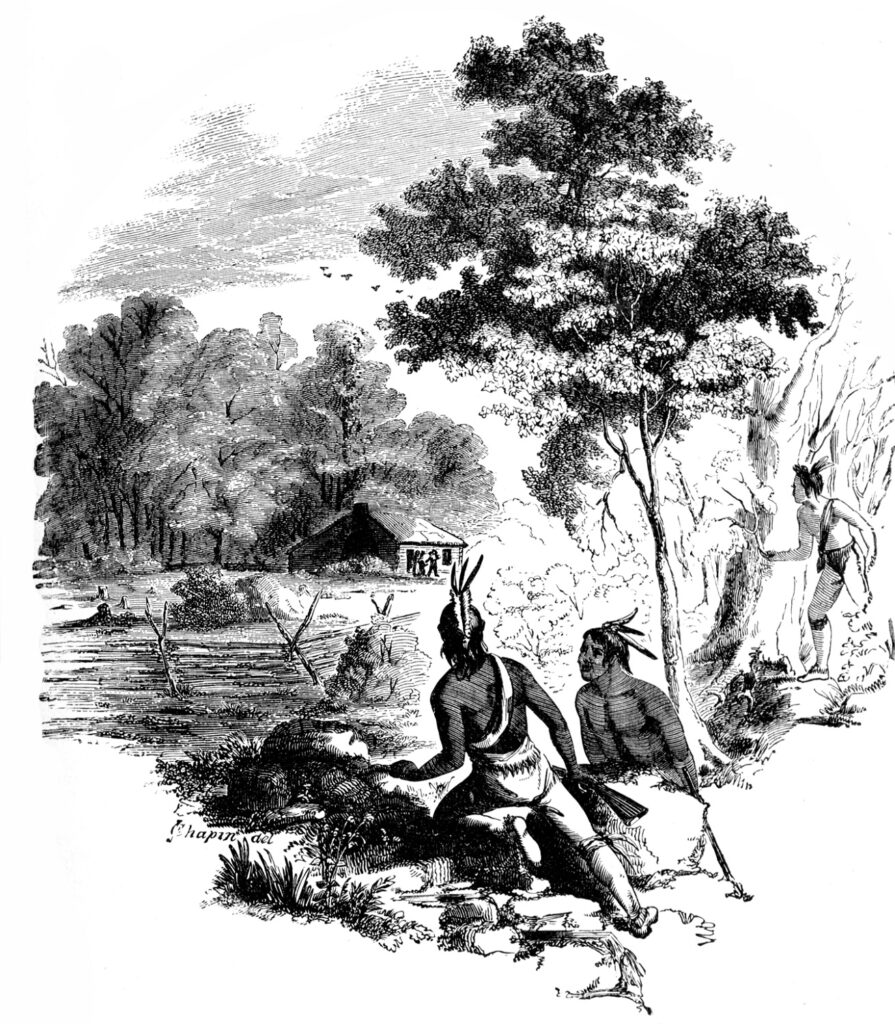
This would prove to be true, as five years later the French and Indian War, or the Seven Years War as it would also be known, would begin. The settlement of Wallacetown and the surrounding areas would be vulnerable to many attacks by Native Americans both during and after the war ended. Some of these attacks have been well documented, while others fall under the category of folklore or rumor.
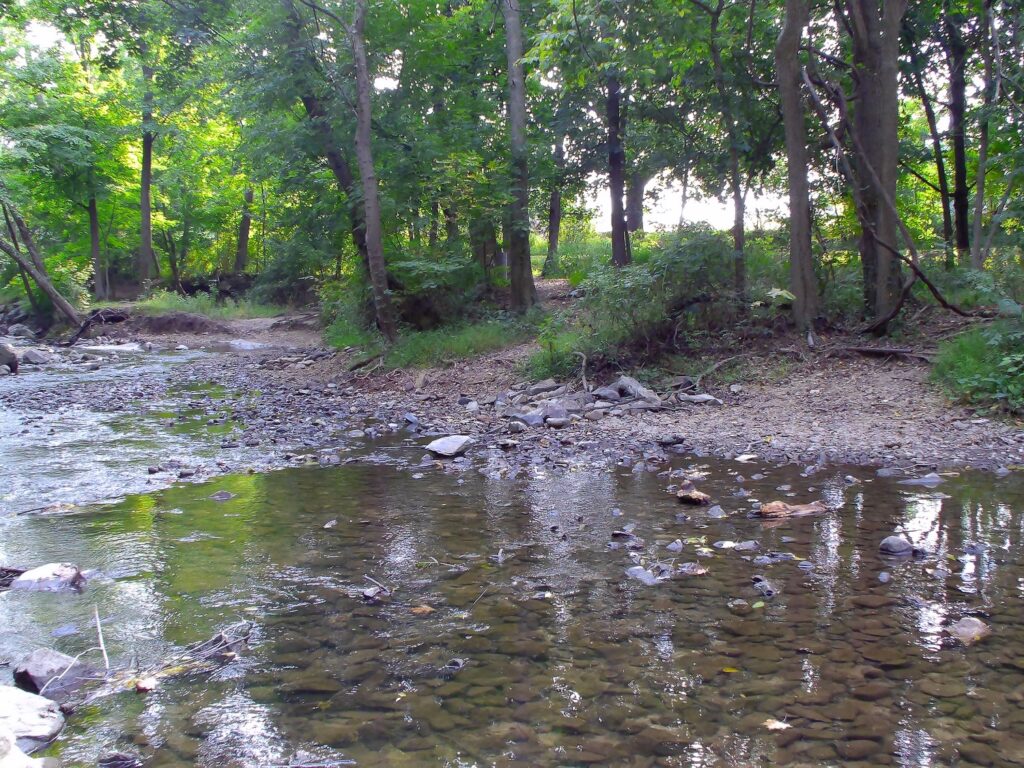
One such case is that of the “Renfrew Sisters.” While no official documentation of these attacks exist, it is one of the most popular legendary tales of Waynesboro. It was said that in 1764, two sisters were the victims of a sneak attack while they washed their clothes on the banks of the Antietam Creek. One of Waynesboro’s most popular attractions, The Renfrew Museum and Park, is said to be named after the sisters whose lives were lost on the grounds where the park stands today.

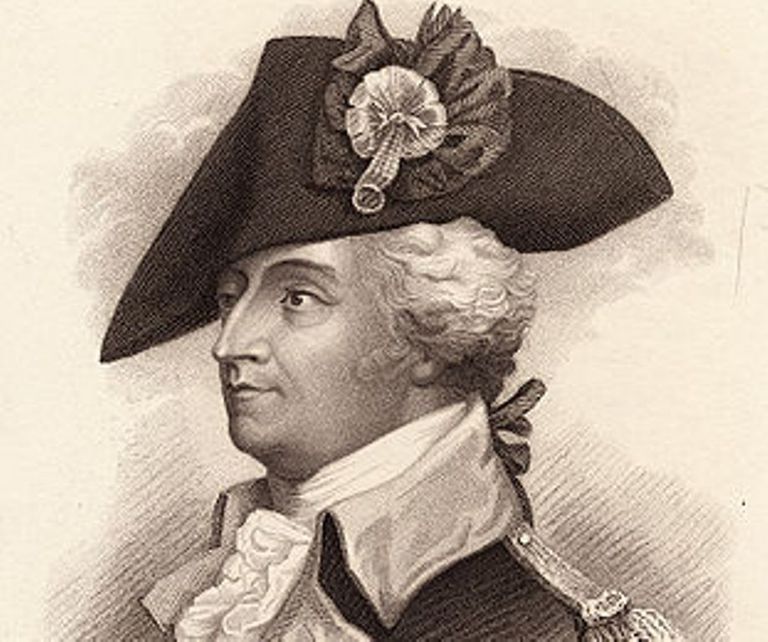
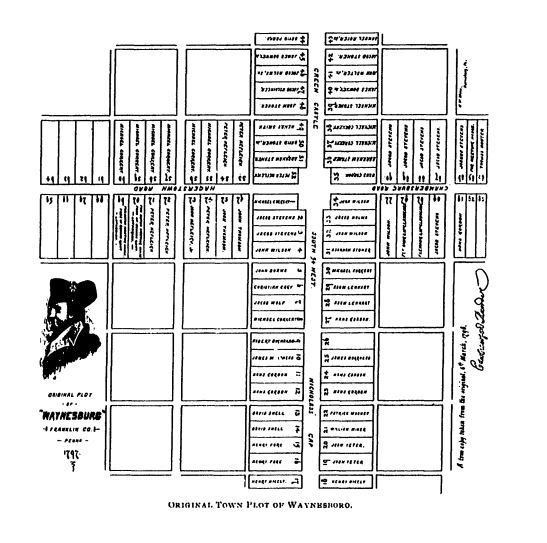
In 1797, the settlement which had now grown into a prosperous town, was officially named Waynesburg, after the popular Revolutionary War general, “Mad” Anthony Wayne, who himself, was a very interesting character in the annals of American history. John Wallace’s son, John the second, as he was known, was under the command of Gen. Wayne during the American Revolution, and it was he who decided to change the town’s name to honor the man he so proudly fought under.
Under the leadership of John Wallace II, the town of Waynesburg grew in population and reputation. Tradesmen from all around the young nation would venture to the area and secure a deed from Wallace to set up shops and build a home for their families. Even as America went to war once again with Britain in the War of 1812, the town continued to grow and build as new settlers made their way north from Maryland and south from the New England states. As the town grew, so did questions about the name and its place within Franklin County. Originally, Wallacetown and Waynesburg were located in Greene County, Pennsylvania.
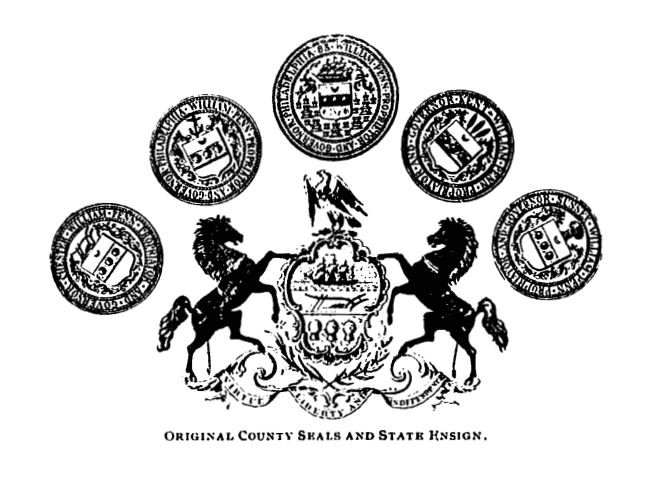
Waynesburg would officially become a part of Franklin County and change its name to “Waynesboro” in January of 1831, after much political debate within the House and Senate. From the early settlements of John Wallace in 1749 to the birth of what we know of as Waynesboro in 1831, the small town survived Indigenous tribe hostility, two wars and three name changes. Those early years’ fortitude and growth served as the foundation for the strong community that Waynesboro continues to have today.