When Karl Genus converted a Fayetteville automobile shop into a makeshift theater in 1950, he likely never envisioned the enormous stage legacy he would inspire in south-central Pennsylvania. Today, celebrating its 75th season, the Totem Pole Playhouse is referred to as the “Cadillac of summer theatres” by The New York Times and is revered by its loyal fans. Hundreds of notable performers have showcased their talents at three separate Totem Pole venues, and each year, the performances continue to rise to new levels of sophistication, thanks to eight decades of professional production expertise and refined traditions.
When Genus, along with his wife, Muriel, started the small theatrical operation, it quickly outgrew the first crude location. In 1952, they leased a rustic dance pavilion located within Caledonia State Park, previously operated by the Cumberland Valley Railroad. The theater entrepreneurs purchased second-hand theater seats, scavenged attics for dressing room mirrors and rustled up carpeting for the pavilion’s 30-foot revolving stage. Embracing the outdoor elements and welcoming local patrons, the Totem Pole summertime tradition began at Caledonia in June 1952 when a lime-green curtain lifted.
Genus was also a pioneer in the early days of live television and became a founding member of the Directors Guild of America. This theatrical genius served on the DGA Board of Directors for three decades, including many years as the organization’s vice president, until his death in 2003. Genus’s brilliance producing live performances set the high standard still practiced today at Totem Pole Playhouse.
Back in 1953, the theater board made a wise business decision when it hired Bill Putch to replace Genus as artistic director. Known simply as “Putch,” he began his theatrical career acting on Broadway and in early television shows, and later appeared on a “Charlie’s Angels” 1977 episode. For 30 years, Putch expertly guided Totem Pole’s seasonal performance schedule, earning him great affection from its yearly actors, production crews and Totem Pole fans. During Putch’s tenure, the playhouse averaged 91 percent capacity for summer programs.
On Nov. 12, 1969, a fire began at 12:22 a.m. that destroyed the second Totem Pole Playhouse, consuming hundreds of costumes, several scenery sets and priceless memorabilia. Afterward, Totem Pole supporters stood together, undaunted. They quickly raised $75,000, chose a new building site across the highway, and broke ground in March 1970. Only four months later, on July 18, the Totem Pole resumed its performances with the play, “Our Town.”
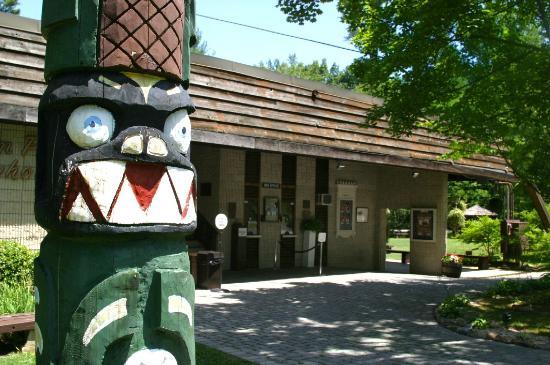
Another tradition at the playhouse is the carved Totem Pole that has stood tall outside the building since 1970. Inspired by the rebuilt theater, a group called the “Teen People for Totem Pole” commissioned the wooden sculpture, carved by artist Donald Park. The intricate designs Park carved into the pole symbolized many aspects of the organization’s history and the hopes for its future.
One totem pole section portrays the Teen People (who financed the sculpture by holding dances and collecting nickels and dimes in milk cartons) sticking out their tongues at the adults who doubted their fundraising abilities. Another section illustrates how a bear watched over the theater, while another carving featured a beaver, which symbolized the rebuilding of the playhouse. At the pole’s top, a thunderbird spread its wings to protect all.
With Putch’s creative talents and his four-decade leadership, the theater gained national prominence after moving to its current location. At first, the structure was still an open-air venue where entertained crowds ignored summer humidity and occasional thunderstorms. During the 1970s, the Totem Pole Playhouse experienced a gigantic boost in popularity when an Emmy Award-winning television actress joined its summer troupe.
Her name was Jean Stapleton, and she played the character Edith Bunker in the renowned series “All in the Family.” Stapleton was also Putch’s wife, and between her famous acting skills and Putch’s respected directing, they helped to vault TPP to the national limelight. Other famous ’70s TV sitcom actors followed Stapleton to the Totem Pole stage, including John Ritter of “Three’s Company,” Loretta Swit from “MASH” and Melissa Gilbert from “Little House on the Prairie.”
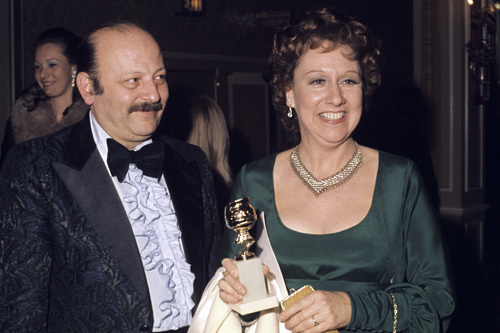
Sadly, Bill Putch died suddenly on November 23, 1983, at age 59. Putch and Stapleton had two children from their marriage, and both were involved in the Totem Pole Playhouse. Daughter Pamela Putch briefly helped run the theater after her father’s death and later became a senior vice president of production for NBC. Her brother, John Putch, earned his first acting credit as a 5 year old at TPP. He later performed on television (playing a Boy Scout on “All in the Family”) and acted in major motion pictures, including a role as Sean Brody in “Jaws 3-D.” John Putch later produced a trilogy of comedies about Route 30, based loosely on his father’s life.
A talented duo succeeded Bill Putch when they picked up the TPP reins in 1984. Carl Schurr and Wil Love served the playhouse for 25 years by acting, directing and producing more than 100 productions. During their tenure, Tony Award-winning actors performed at Totem Pole plays, and the theater transitioned to a non-profit organization. This talented pair went on to work at the historic Walnut Street Theatre in Philadelphia in 2008.
The modern era of Totem Pole Playhouse began in 2002, when the building was completely enclosed, giving audiences and performers controlled climate conditions and improved facilities. The theater now seats 375 people. This size provides patrons with an intimate entertainment experience, and there isn’t a bad seat in the house.
The Totem Pole Playhouse sits along Route 30, also known as the celebrated “Lincoln Highway.” A few miles to the east, the historic village of Gettysburg became an unofficial partner as visiting tourists at the Civil War-themed town traveled to TPP. Another attraction, a Totem Pole neighbor, originated in 1975, and it too became a local icon: Mr. Ed’s Elephant Museum. The former owner, Ed Gotwalt, also graced the TPP stage, and his roadside tourist stop celebrated its 50th anniversary this year.

Since Schurr and Love departed in 2008, a group of talented artistic directors has sustained the Totem Pole Playhouse’s tradition of excellence. During that era, the theater staged versions of “Godspell,” “Jesus Christ Superstar” and “Harry Potter,” plus its nationally recognized annual rendition of “A Christmas Carol.”
Ryan Gibbs is TPP’s current artistic director, and he arrived with a fine pedigree of producing, stage management and directing. Gibbs worked on national and Broadway tour titles “Rent,” “Mary Poppins” and “Wicked.”
“We have wonderful traditions,” Gibbs said, “There’s no place better than right here, tucked away in the heart of Caledonia State Park, where the trees are tall, the air is fresh and the magic of live theater has been part of life for generations.”
The proof of Gibb’s ability to continue Totem Pole’s excellent theatrical traditions is evident in the current show, “Beautiful: The Carol King Musical,” performed until Aug. 24. The play traces King’s musical journey from teenage songwriter to her inspired hits of the 1960s and 1970s. Her legendary album “Tapestry” won four Grammy Awards in 1972, and King was later inducted into the Rock ‘n Roll Hall of Fame. Not only does “Beautiful” (named after a song in her catalog) highlight King’s inspiring music, but it also showcases the masterful songwriting of fellow composers Cynthia Weil and Barry Mann, and King’s former husband and co-writer, Gerry Goffin.
This Carol King musical is Totem Pole performing at its optimum capacity. The producers auditioned 1,800 actors from a local, regional and New York talent pool to arrive at its final 21 members. Their efforts resulted in a captivating show, with a first-class cast that sings and acts to a level usually seen in larger city productions or on Broadway. Lead actress Hannah Taylor sparkles as Carol King. The costumes, choreography, sound and lighting are superb. TPP audiences have enjoyed a play that perfectly balances emotive music with drama, humor and well-performed stagecraft.
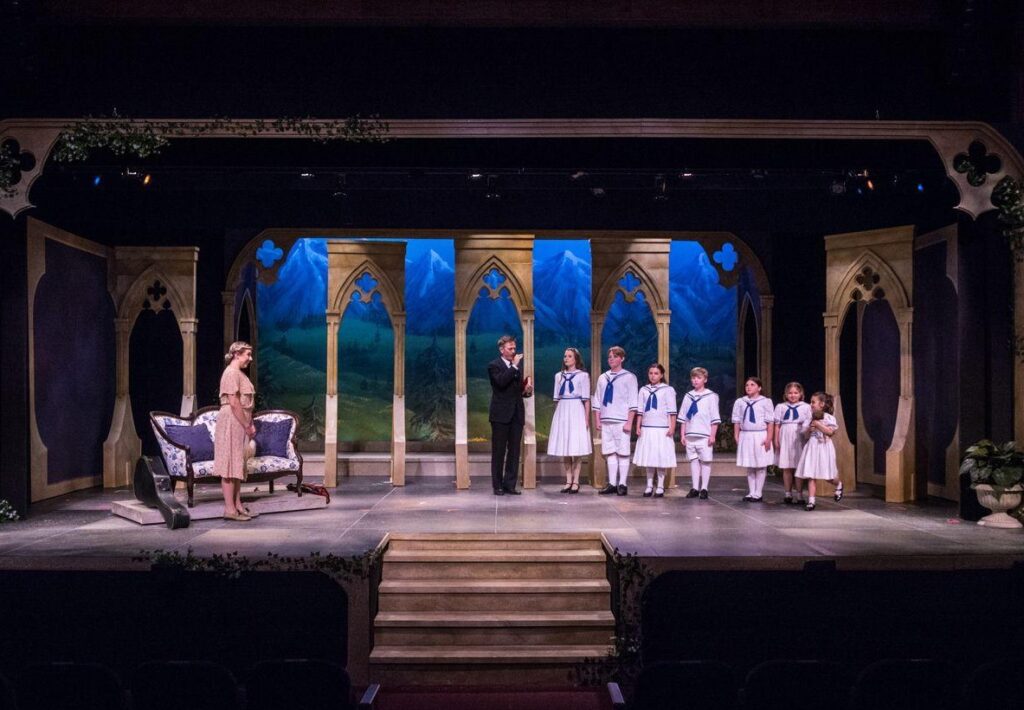
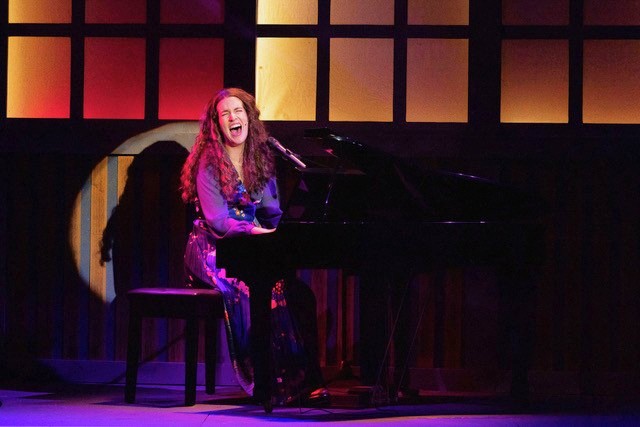
After seeing the play, local theater-goer Joan Amsley said of the performance: “I’ve been going to the Totem Pole for years, and this was the best show I’ve seen. It made me nostalgic, taking me back to happy times in my life.”
The Totem Pole Playhouse finishes its landmark 75th season with a Neil Diamond musical from Aug. 27-31. Then, TPP’s creative eyes look forward to producing future plays. The theater recently created “Tucked Away Tuesdays,” hosting midweek concerts, comedians and special events at the playhouse. TPP also partners with Gettysburg’s Majestic Theatre, which celebrates its 100th year in 2025, to produce “Million Dollar Christmas,” featuring the music of Elvis, Jerry Lee Lewis, Johnny Cash and Carl Perkins. These Gettysburg shows run from Dec. 3-14.
Like most non-profit organizations, Totem Pole faces ongoing obstacles. The theater recently had to replace its HVAC system, an unexpected six-figure expense. Also, the playhouse is currently repairing its outdoor icon. The TPP totem pole, which people traditionally include in group pictures before performances, is off-site and undergoing a major renovation. Artistic Director Gibbs said the restoration was necessary because carpenter ants and woodpeckers are naturally attracted to wooden objects, regardless of how beloved they might be. TPP hopes to outsmart the ants by installing a concrete base for the revamped totem pole.
Gibbs is excited about Totem Pole’s future. He says the love and support shown for the playhouse during the past eight decades fortifies the venue, and “that belief in live theater will carry us through the next 75 years. We thank everyone for being part of our journey.”