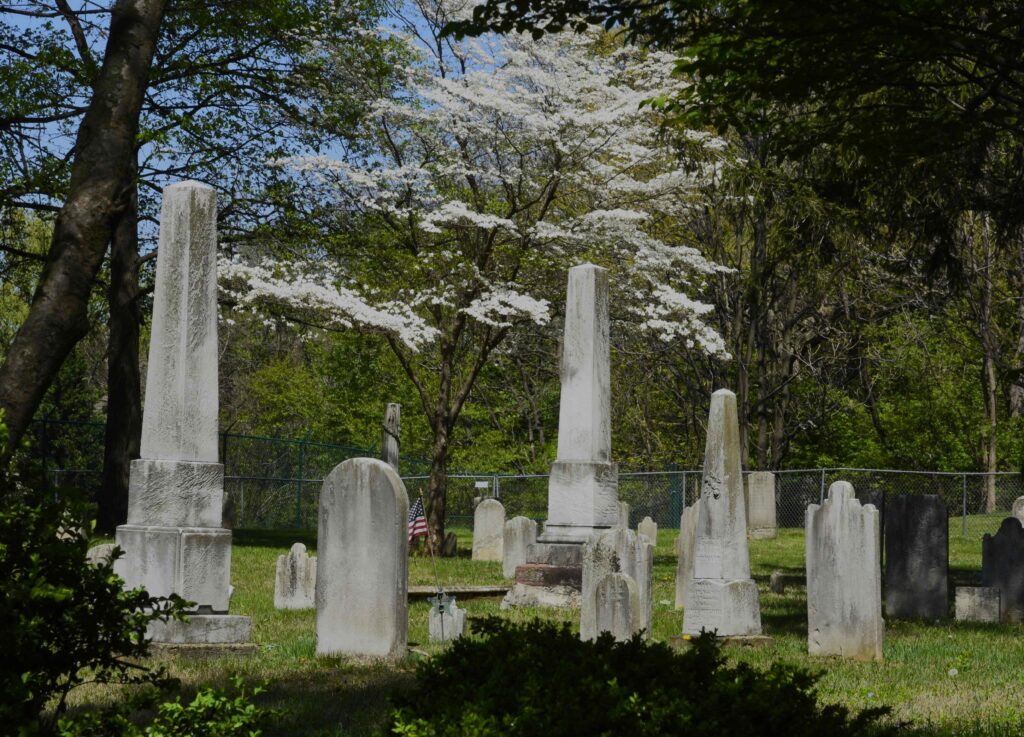
Cemeteries serve different functions, with primary purposes as a resting place for the dead and a sacred setting for honoring the memories of loved ones. However, burial grounds are also time capsules of local history that teach lessons about architecture, denominations of faith, ancient customs, founding fathers and mothers, military heroism and in recent years, successful efforts in historic preservation.
A well-kept cemetery is also a place for peaceful contemplation among nature’s splendor. The changing seasons mimic the cycle of life, and spring is the time for renewal, even in a graveyard. As the Cumberland Valley awakens to a new growth spell, it’s fitting to consider resting places that harken to the area’s founding citizens, born centuries ago.
Greencastle’s Moss Spring Cemetery is a relic well-suited for exploration since it embodies unique cultural and natural facets. This historical pearl is tucked away from busy downtown streets and seemingly worlds away from hectic modern lifestyles. Moss Spring Cemetery evokes quiet memories of past lives shaped by storied eras.
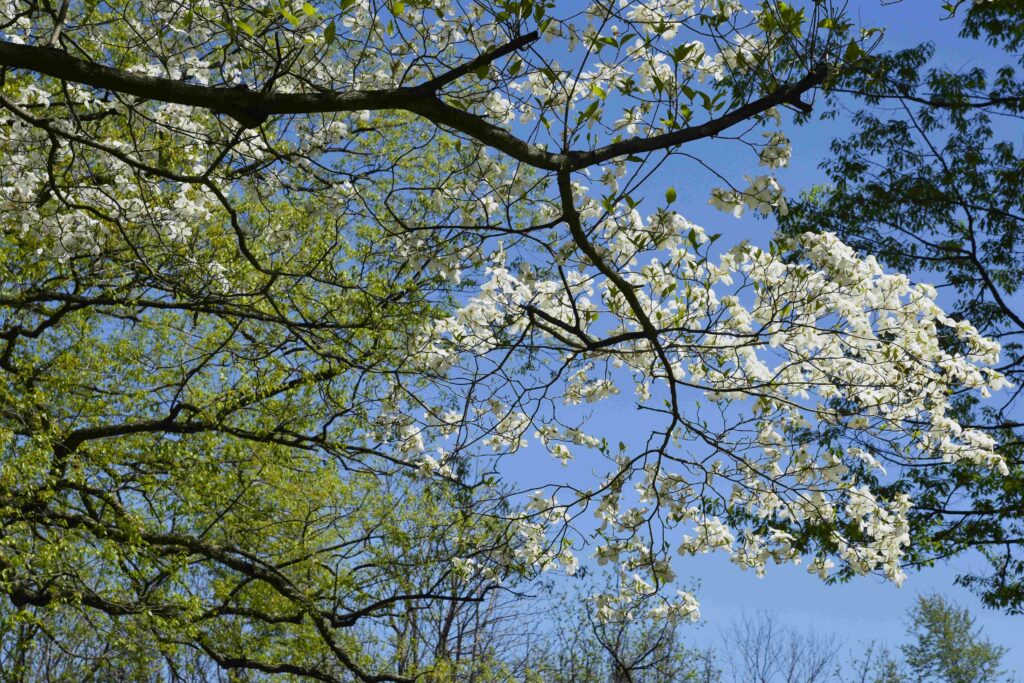
On a recent sunny April day, the cemetery’s landscape was luminous, with the bright green hues of budding canopy leaves combined with white dogwood blossoms dancing in the breeze. Wildflowers carpeted the grounds, and evergreens cast shadows on the resilient faces of aged headstones and weathered monuments. This hallowed plot has witnessed 250 similar springtime renewals, as the first burial occurred at Moss Spring in 1775.
Life on the Pennsylvania frontier was often perilous. During settler’s early exploits, locals built forts to protect against native inhabitants and potential foreign invaders during the French and Indian and Pontiac Wars. On the infamous day of July 26, 1764, Delaware Indians massacred schoolmaster Enoch Brown and 10 of his defenseless students inside a log schoolhouse only three miles from Moss Spring. A lone schoolboy survived the scalping attack.
When the American colonies later fought for independence, Greencastle founder John Allison (1738-1795) led colonial troops as a colonel in the New Jersey campaign. Over the years, 10 brave men who served during that conflict would repose at Moss Spring.
One revolutionary patriot, John McClellan, also served in the War of 1812 at age 50 and is one of five fellow 1812 veterans who rest at Moss Spring. McClellan practiced medicine in the Greencastle area and lived to age 83. His son, Robert, moved to Michigan and was twice elected as the state’s governor. Later, Robert McClellan served as secretary of the interior under President Franklin Pierce.
From its beginning, Moss Spring Cemetery was owned and cared for by a branch of the Presbyterian Church. The church on the Moss Spring property, one of two Greencastle Presbyterian houses of worship at the time, was called the “Red Church” because of its exterior color. The second Greencastle Presbyterian congregation building was known as the “White Church” for the same colorful reason.
Long-ago worshippers admired Pastor John Buchanan for his short but meaningful sermons. His two decades of leadership helped unify the dual congregations in 1825. The Red Church eventually disbanded, and the combined followers later built the current Greencastle Presbyterian Church on Baltimore Street.
Years later, the Moss Spring site’s church disappeared, but the cemetery stayed. The remaining souls who rest here were never forgotten, but constant wind and rain for two centuries nearly erased their identities.
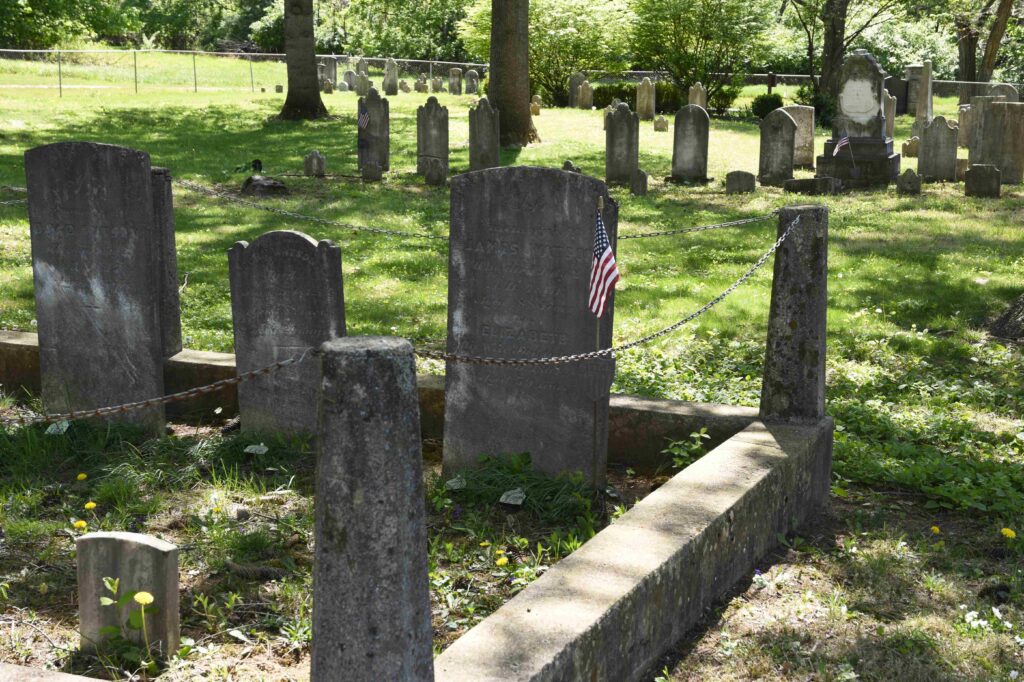
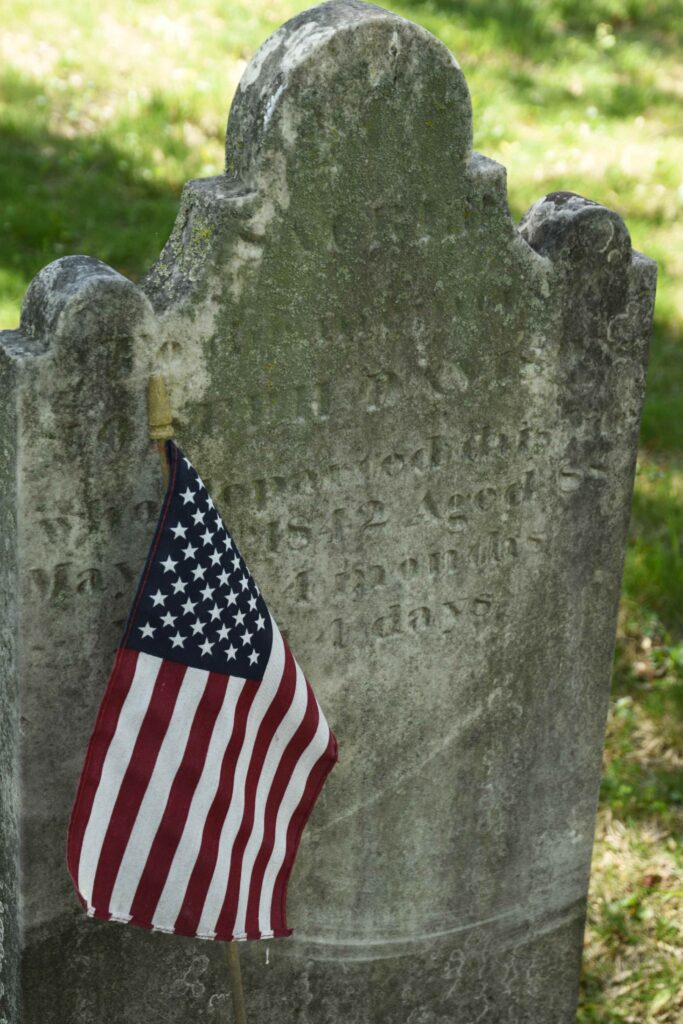
In the late 1700s, materials for most tombstones were hand-quarried using local materials. Slate was a prominent stone type, and their finished forms took a familiar rectangular shape with an arched top. This fine-grained sedimentary gray rock was durable, but when cut in thin cross-sections, the inscriptions were shallow, and these tombstones were prone to later breakage and wear.
Sandstone materials fared worse, often degrading to their original base material, sand, after being subjected to the whims of weather. It wasn’t until the early 1900s that more sturdy materials like marble and granite became popular. These stones were mined elsewhere and transported in pieces by rail, but by then, Moss Spring had its last burial in 1895.
Today, several obelisks decorate Moss Spring’s burial ground, symbols of eternal life and remembrance. These examples, mixed with other stately monuments, exhibit the wealth and prominence enjoyed during the deceased’s earthly life. Other cemetery monuments include stone tablets laid parallel to the ground on a raised foundation, and gravestones with intricate details like finely carved columns wrapped with garlands.
Human longevity was unpredictable back then, as 36 of the burials at Moss Spring were people less than 18 years old, a sad statistic that comprises 21 percent of the total deaths recorded here. However, individuals who lived past age 70 (40 in total) make up a larger share of people interred at this cemetery. The oldest person buried at Moss Spring Cemetery lived to age 95.
Greencastle’s founding family, the Allisons, are some of the most prominent people buried at the cemetery. But even these noteworthy citizens weren’t immune to later moves that were common at Moss Spring.
Early Presbyterian Church customs showed a devout congregation that spent most of their Sundays worshipping. As Greencastle grew, German immigrants and other European settlers practiced other enduring faiths.
Before the Civil War, most American graveyards were affiliated with churches until non-denominational burial grounds became popular. Greencastle’s Cedar Hill Cemetery, founded in 1871, is a fine example and is Antrim’s largest and most prominent modern cemetery.
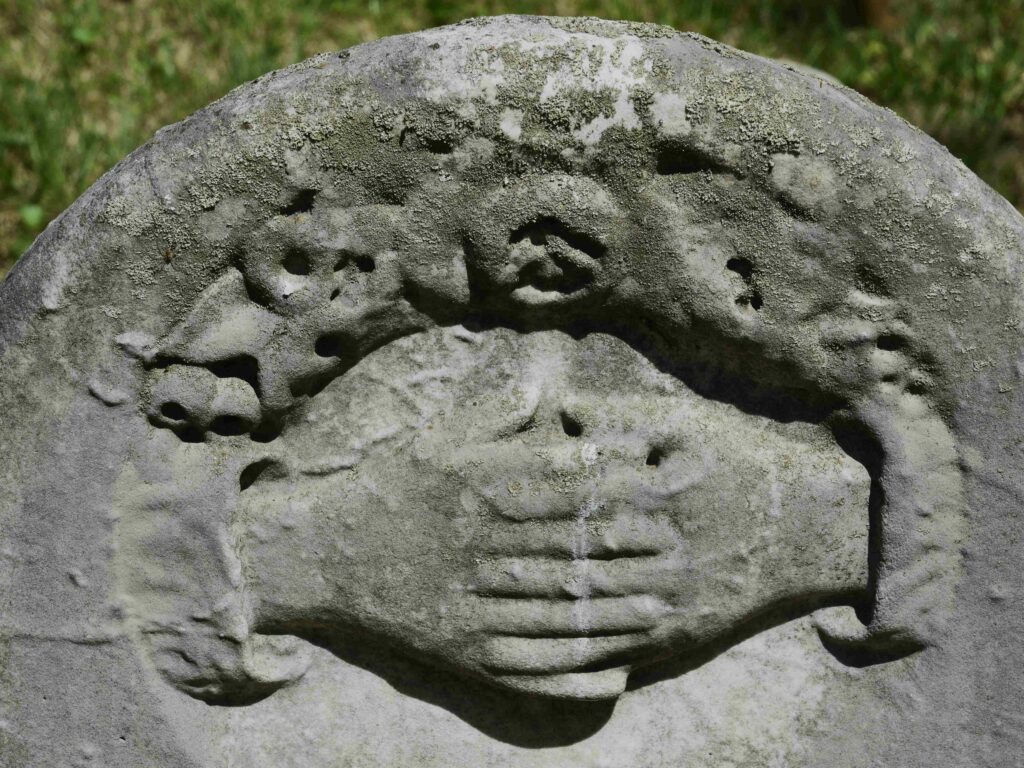
Even after the local Presbyterians unified and built the combined church, burials continued at Moss Spring for another 65 years. As an established place for veterans, two Civil War soldiers rest at the cemetery, including James Mitchell. The 21 year old enlisted with the 126th Pennsylvania Volunteer Regiment in August 1862 and was killed during the disastrous Union defeat at Fredericksburg, Virginia, four months later.
In addition to the disparity of ages, individuals buried at Moss Spring lived varied lives, with occupations such as tanners, farmers, merchants and postmasters. Many hard-working parents lost children at young ages, which was common during that era. Founder John Allison and his wife, Elizabeth, birthed 13 children, and five died during their youth.
Another prominent family name at Moss Spring is the Kennedys. With names that foreshadowed a future American political dynasty, brothers John and Robert Kennedy lived productive lives in Greencastle. John was born in Baltimore in 1735 and enlisted for Revolutionary War service at age 45.
John’s sibling, Robert Kennedy, a graduate of Dickinson College, served as the Greencastle Presbyterian Pastor for 13 years. The faithful later moved Kennedy’s remains from Moss Spring to a Welsh-run Presbyterian Church, which is named in Robert’s honor and recognized as a National Register of Historic Places site.
Elizabeth Watson was born in Lancaster County in 1745. She eventually lived on Greencastle’s Square with her husband, James, and delivered 12 children. Elizabeth died in 1804.
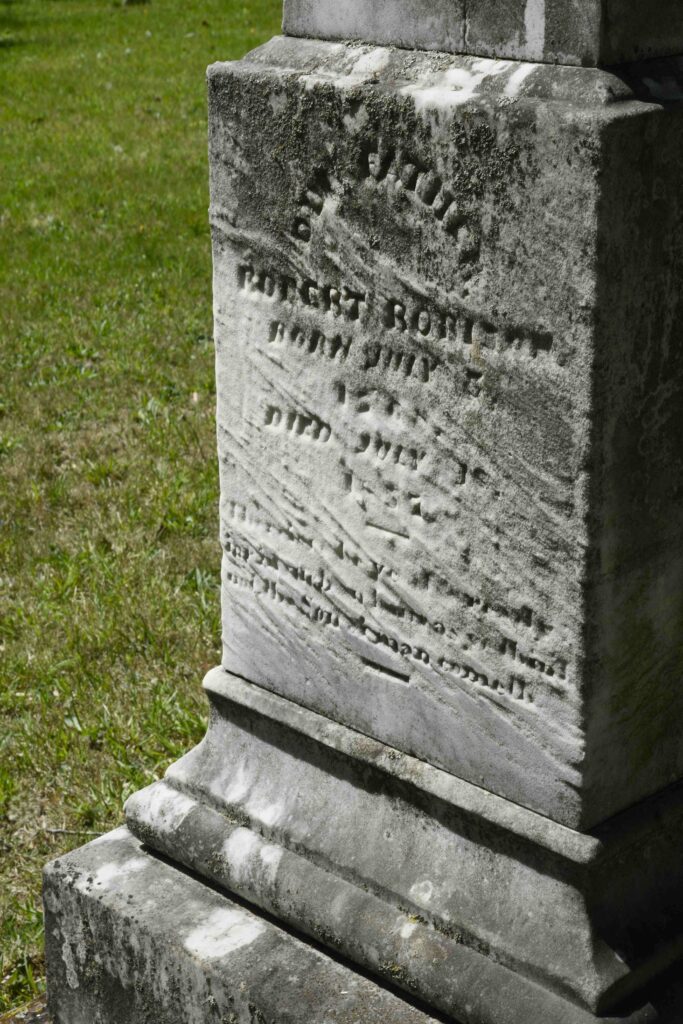
These memorable people, buried long ago at Moss Spring, symbolize Greencastle’s first century of prosperity.
After Moss Spring’s last burial, Greencastle continued to grow and flourish. A few years after the final interment, the town instituted a new tradition in 1902. Called “Old Home Week,” it became a celebration of the town’s historic pedigree, and served as an invitation to past and present Greencastle residents to reunite every three years and reminisce about their past.
In its present state of grace, Moss Spring Cemetery possesses unique characteristics uncommon for ancient burial grounds. When exploring historic cemeteries, the fascination of viewing old headstones is usually accompanied by wonderment of the lives they represent.
In most graveyards, those people’s stories remain mysterious. The burden of research typically belongs to the explorer, and answers to questions about a particular lifespan are a source of constant speculation. However, Moss Spring provides contemporary answers to many of these curious inquiries, thanks to two historians’ diligent efforts.
Nearly two decades ago, Ted Larew first visited Moss Spring with his son, Bryan. They searched for John Allison’s grave but found much more. Inspecting the weathered headstones, many of which were impossible to read, they later discovered Allison’s remains (and 11 others) had been moved to Cedar Hill Cemetery. However, Moss Spring’s charms piqued their historical interest.
Larew is a 30-year military veteran born in Iowa who arrived in the Greencastle area after retirement. During his first visit to Moss Spring, he was drawn to old graves of individuals who served their country in past wars. Spurred by his son’s interest in history and his own Army background, Larew wanted to help restore the cemetery and learn its secrets. A multi-year project ensued, with an earlier established Moss Spring Cemetery foundation providing funds.
Larew’s restoration project ultimately accomplished lofty goals. His first priority was cleaning headstones to allow the proper identification of graves. Larew hired a professional monument company that restored 140 headstones in August 2016. Eleven gravestones were also repaired, and one was replaced. Larew secured 11 additional veteran medallions and placed them at the correct burial locations on the refurbished grounds.
Then, Larew went much further. He initiated genealogy research on each of the 167 individuals buried at Moss Spring. When his investigation concluded, he tracked down many of their stories. The gathered information included full names and maiden names of individuals, details about spouses, children and parents, and their birth/death dates and locations. Larew also discovered elusive facts about their personal lives and relationships with others buried at the cemetery.
Larew built the success of his highly organized project on a foundation of past historical research by Susan Snively (1864-1939), conducted during the 1930s. Her efforts required considerable sleuthing during that era since an 1860s fire destroyed the Presbyterian Church’s original cemetery records. But Snively couldn’t decipher many of Moss Spring’s weathered headstones, so the cleaning project initiated by Larew unraveled lingering mysteries.
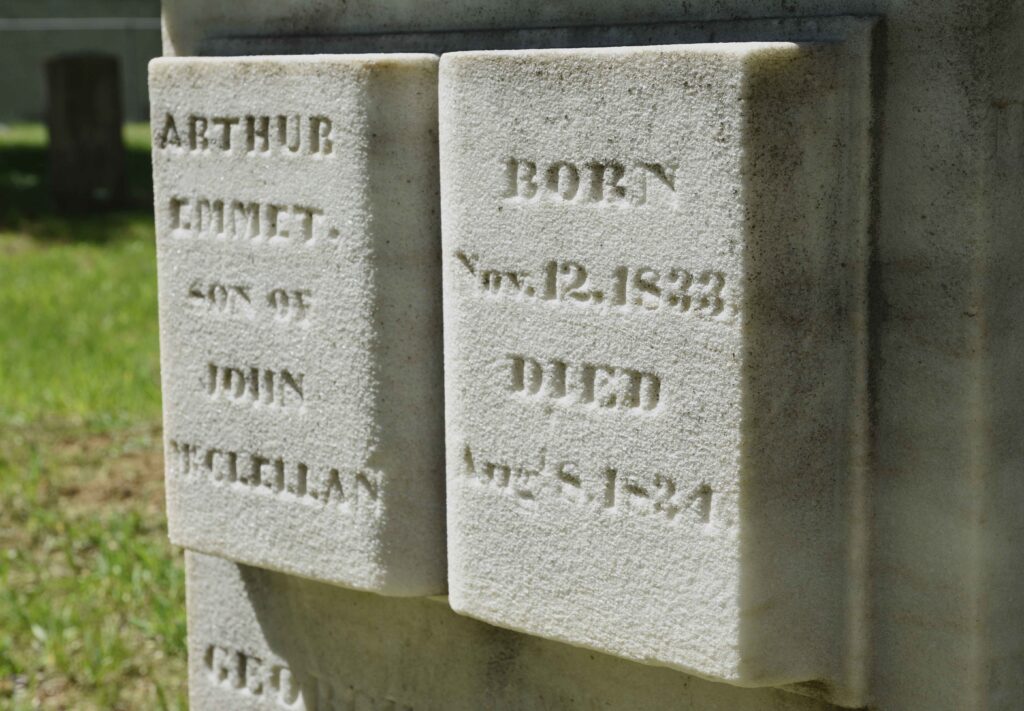
Today, Moss Spring visitors reap the rewards of Larew’s and Snively’s extensive research. A laminated onsite book functions as a tour guide, explaining the cemetery’s overall history. Grave identifications and a map combined with the detailed stories of people who rest here. Larew’s son, Bryan, still helps care for the grounds and worked at the cemetery cleaning up debris after a recent windstorm.
Moss Spring is an excellent example of how the Greencastle community excels in preserving its heritage. Through the Larews’ and Snively’s advocacy, they presented a community gift that honors past lives while helping modern history lovers understand how these people shaped Greencastle’s enduring legacy.
Two and a half centuries later, Moss Spring represents more than a cemetery. This well-preserved garden of remembrance is a treasure vault of antique customs and fascinating tales that celebrate the undying nature of the American spirit.