The National Park Service preserves many aspects of American life, and Maryland is a prominent host to some of its most important and intriguing sites. From pastoral battlefields and mighty rivers to icons of early transportation and world-famous scenic trails, several of the state’s 18 National Park units are located in western Maryland, offering nearby destinations for exploring local history.
Under the umbrella of the U.S. Government’s Department of the Interior, the park service designates multiple categories for its system’s units, and Maryland exhibits an impressive range of this variety. This selection includes three National Heritage Areas, five National Trails, hundreds of National Register of Historic Site properties, plus National Monuments, a National Seashore and the backbone of the nationwide system, National Parks.
These Maryland locales entertain over 6 million visitors annually and contribute an estimated $330 million benefit to local economies. The parks service has also used nearly $100 million for land and water conservation projects since 1965 and developed multiple educational programs that teach students about history. The icing on this historic Maryland cake is these distinctive places celebrate American heritage from every conceivable angle, including memorable people, legendary landscapes, tragic events and even a famous song.
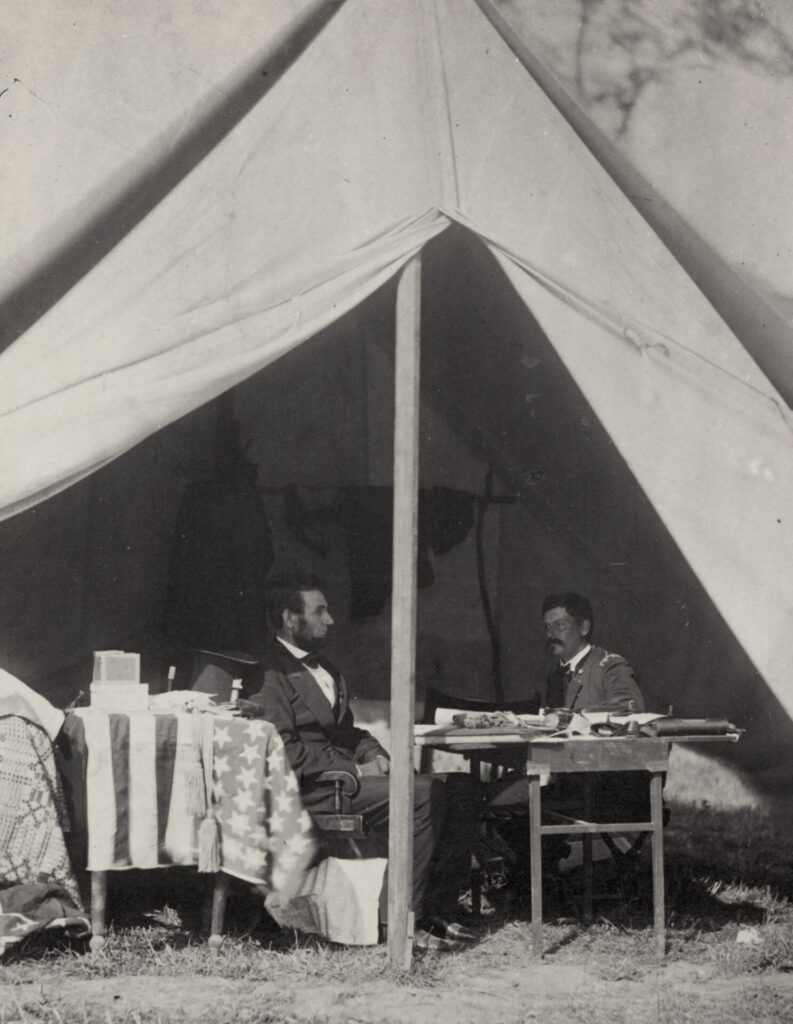
Antietam National Battlefield is likely Maryland’s most well-known national parks unit. When Union General George McClellan led the Union army against Robert E. Lee’s Confederates on Sept. 17, 1862, the country’s circumstances were grim, and the fighting there was brutal. On the deadliest day in American military history, the two armies suffered over 23,000 casualties at this Sharpsburg battlefield. At a sunken road where the worst fighting occurred, that battlefield setting became known as “Bloody Lane.”
Despite a tactical Union victory at Antietam, which gave President Lincoln the confidence to issue his ground-breaking Emancipation Proclamation, he fired McClellan two months later, convinced the general moved too slowly. McClellan turned to politics and later lost the 1864 presidential election to his old civilian boss, Abraham Lincoln.
Like Antietam, another distinctive local Civil War site preserves a bucolic 1860s Maryland landscape. Monocacy Battlefield near Frederick was a pivotal 1864 clash because the outnumbered Union army stalled the invading Confederates, allowing a hurried reinforcement of Washington, D.C.’s, defenses. The capitol remained safe from southern invasion throughout the war. Today, visitors walk the battlefield grounds along the Monocacy River and tour landmarks like the Worthington Farm.
A mighty river constitutes much of Maryland’s southern boundary. Unlike the manmade Mason-Dixon Line, the arrow-straight demarcation at its northern compass point, the meandering Potomac River marks the natural meeting place with Virginia and West Virginia. This river corridor is rich in history and natural resources. From the mountains to the Chesapeake Bay, the Potomac flows eastward, providing many opportunities for boating and fishing. The Potomac Heritage National Scenic Trail preserves recreational and natural features like Great Falls.
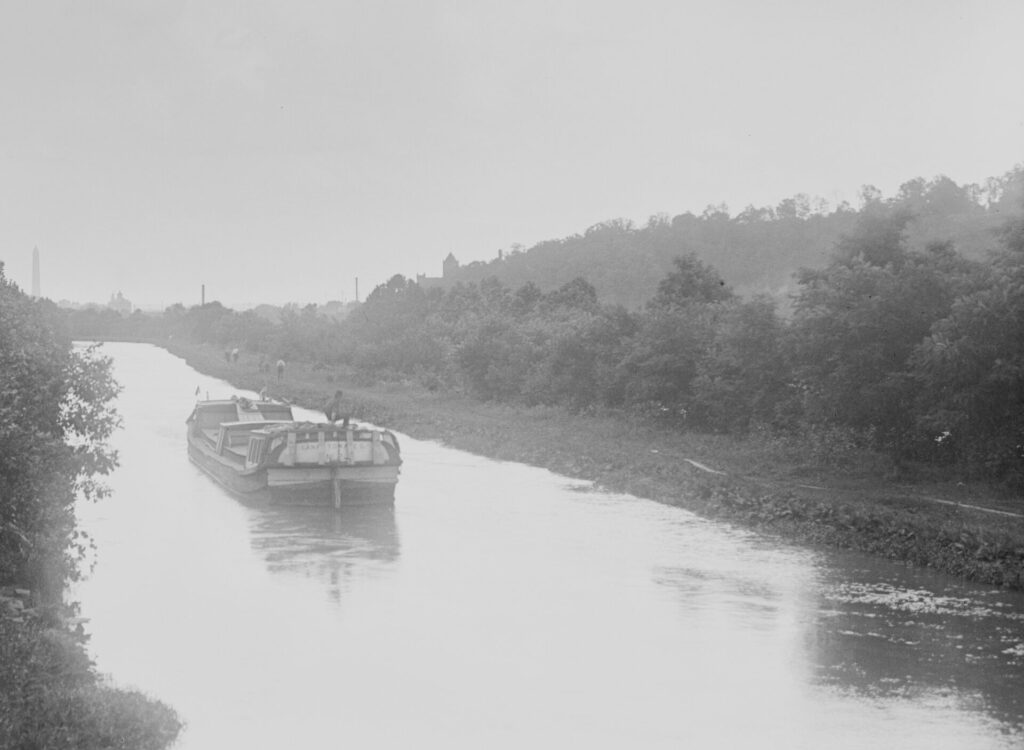
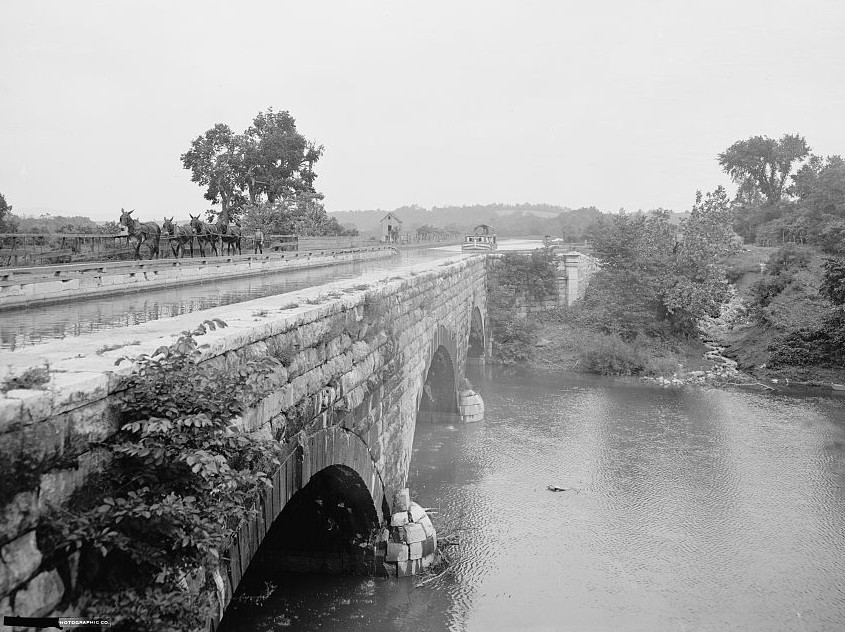
One prominent landmark along the Potomac is the Chesapeake and Ohio Canal, a defunct former transportation waterway first engineered in 1828. This National Historical Park celebrates the C&O’s role as a major route for transporting coal, lumber and agricultural products along the 184-mile-long serpentine canal. For nearly a century, the hand-dug channel created significant economic impacts for Potomac River communities like Williamsport, which now hosts C&O Canal National Park’s headquarters and a Visitor Center.
Today, the parks service preserves vestiges of the C&O’s fascinating transportation architecture. Massive stone locks and rustic canal keepers’ cottages take visitors back to a storied era. The canal’s scenic towpath, where mules (and occasionally horses) pulled canal boats, is a riverside haven for runners, hikers, cyclists and birdwatchers.
Another transportation reference within the Maryland National Park system is symbolic and refers to the Underground Railroad. Maryland was the northernmost enslaved state before the Civil War, and so its boundary with free-state Pennsylvania was a desired destination for individuals attempting an escape from slavery. Many churches offered temporary shelter, and local abolitionists secretly helped these desperate people gain their freedom.
While the Harriet Tubman National Historical Park is based in Cambridge on Maryland’s Eastern Shore, several history-based groups have interpreted various Underground Railroad sites in the Mason-Dixon region. Tubman is considered the most famous “conductor” on the secret escape route, normally trekked on foot and not on the rails. She helped 70 people secure freedom.
Washington County is famous for stone-arched bridges, and 21 of these gems cross its creeks and waterways. Burnside Bridge at Antietam Battlefield is the marquee structure. However, the National Register of Historic Places designates other iconic bridges in Maryland, including Wilson’s Bridge, a five-arched limestone bridge spanning Conococheague Creek west of Hagerstown. At 210 feet in length, it is the longest stone bridge in the county.
The Appalachian National Scenic Trail runs 41 miles through Maryland during its 2,200-mile course from Georgia to Maine. Forester Benton MacKaye conceived the trail in 1921, and with volunteers’ help blazing it, the trail opened in 1937. Today, the footpath is maintained by the National Parks Service, with the assistance of 31 trail clubs, the U.S. Forest Service and the Appalachian Trail Conservancy. The Appalachian is perhaps the world’s most famous trail, with millions hiking a section each season. Many “thru-hikers” trek its entire length in a single year, an adventure taking up to six months and requiring five million steps.
The trail is close to another gemstone in scenic Maryland. Catoctin National Park garnered its name from the hosting mountain ridge that formed millions of years earlier. This picturesque area boasts rocky overlooks, tumbling waterfalls and thriving flora and fauna. Depression-era Works Progress Administration and Civilian Conservation Corps workers developed the area for a park, and President Franklin Roosevelt chose adjoining land for a new retreat. He named the refuge “Shangri-La,” but the famous presidential haven is now called Camp David.
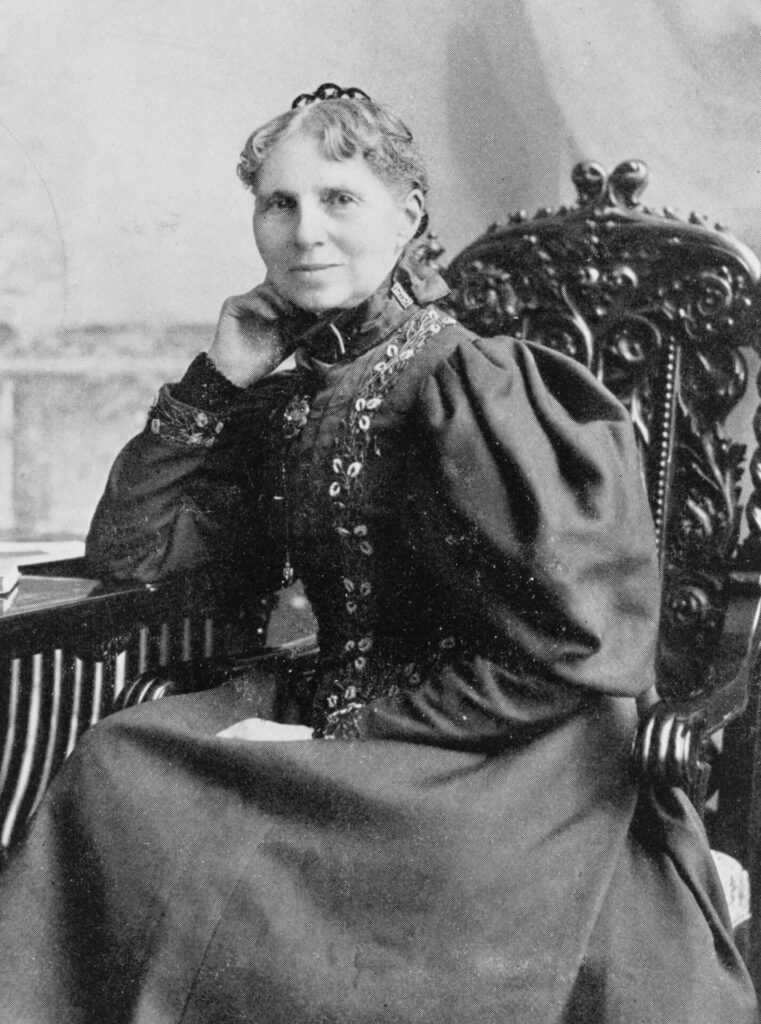
Further afield, two famous Marylanders created historic legacies during turbulent times. Clara Barton served as a nurse at Antietam, and soldiers called her “the Angel of the Battlefield.” Stirred by that service, Barton later founded the American Red Cross in 1881. The Clara Barton National Historic Site celebrates her legacy at the Glen Echo home where she spent the last 15 of her 90-year life. Barton was a humanitarian, and this is the first such site to honor the accomplishments of an American woman.
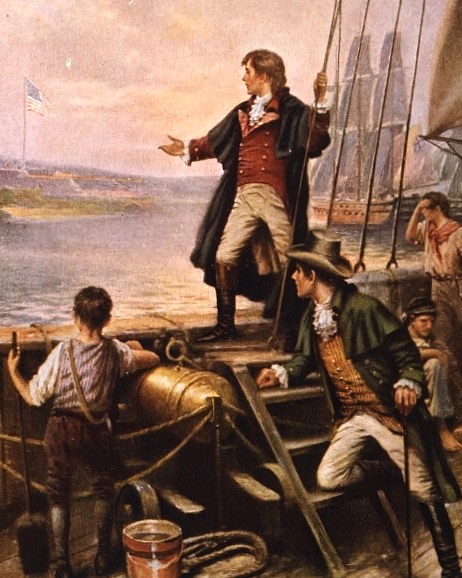
The park service’s Star-Spangled Banner Historic Trail celebrates the heritage of Francis Scott Key. One vital site in his story is the Fort McHenry National Monument and Shrine in Baltimore, where Key witnessed fierce fighting during the 1814 Battle of Baltimore. He was later inspired by that fight’s “rocket’s red glare” and “bombs bursting in air” to pen the “The Star-Spangled Banner,” America’s national anthem. Other components of this trail include locales in Maryland, the District of Columbia and Virginia. Key’s poetic voice resonates today each time an American hand is placed over the heart as his song is sung.
In other Maryland regions, American heritage and natural beauty grace National Park Service sites such as Assateague National Seashore, where wild horses roam among sea oats on the Atlantic shore. The Chesapeake Bay, America’s largest estuary, is celebrated through the Captain John Smith National Heritage Trail. Smith was an Englishman who explored the bay in 1608 and documented archeological sites and Native American sacred lands.
In Towson, the Hampton National Historic Site preserves remnants of a 25,000-acre enslavement plantation, where cruelty and decadence collided during a contrasting era in American life.
Admirers often call Maryland “America in Miniature” since it personifies many of the best traits owned by its home country. With charming small towns like Sharpsburg and bustling cities like Baltimore, complimented by the Appalachian Mountains, the Chesapeake and the Atlantic shoreline, Maryland boasts diversity and a storied history. National Park System units preserve many of these treasured elements.
When the United States founded the National Park Service in 1916, it set an example copied in many countries. From its first park at Yellowstone in 1872 to the most recent sites celebrating America’s unique heritage, the lands and historic properties park service manages remain the envy of the civilized world. The park service boasts 433 units that employ over 20,000 professionals and use help from almost 300,000 volunteers. These sites enrich all 50 states, the District of Columbia and every U.S. territory. Maryland’s sites are an integral piece of that prized puzzle and are worthy of continued preservation.