HAGERSTOWN – During the infancy of Western Maryland’s most prominent town, city leaders took several years to decide on its official name. A nickname would have to wait.
When Jonathan Hager founded the settlement near a bubbling spring in 1739, locals called it “Hager’s Fancy.” However, when Hager decided on the first official name, he named his creation “Elizabethtown” to honor his wife. Eventually, the community’s admiration for its founding father, who suffered a tragic death while building a local church, was etched in stone. The official city name became Hagerstown.
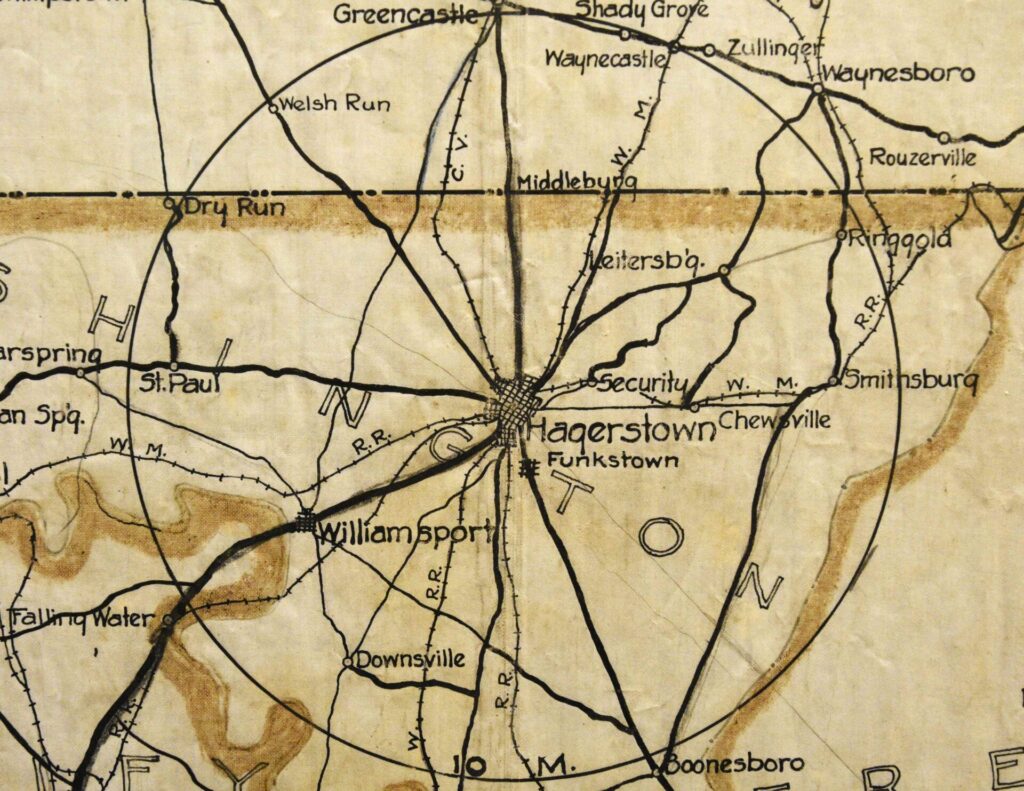
As the town grew and transformed from a sleepy village into a center for transportation and a regional magnet for industry and trade, Hagerstown earned a nickname still celebrated today. During the Industrial Revolution, the success of Maryland’s railroad industry boosted the community, and like spokes on a giant wheel, rail lines converged at a central point in Hagerstown. Admirers dubbed this community the “Hub City.”
Today, the Hagerstown Roundhouse Museum celebrates many aspects of this storied history. Located in the epicenter of the present-day rail hub, the museum showcases many artifacts and interprets stories about the men and machines that helped foster a local railroad tradition. The museum’s timeline includes distinct phases of the rail industry, from its beginnings in the 1820s to the modern era.
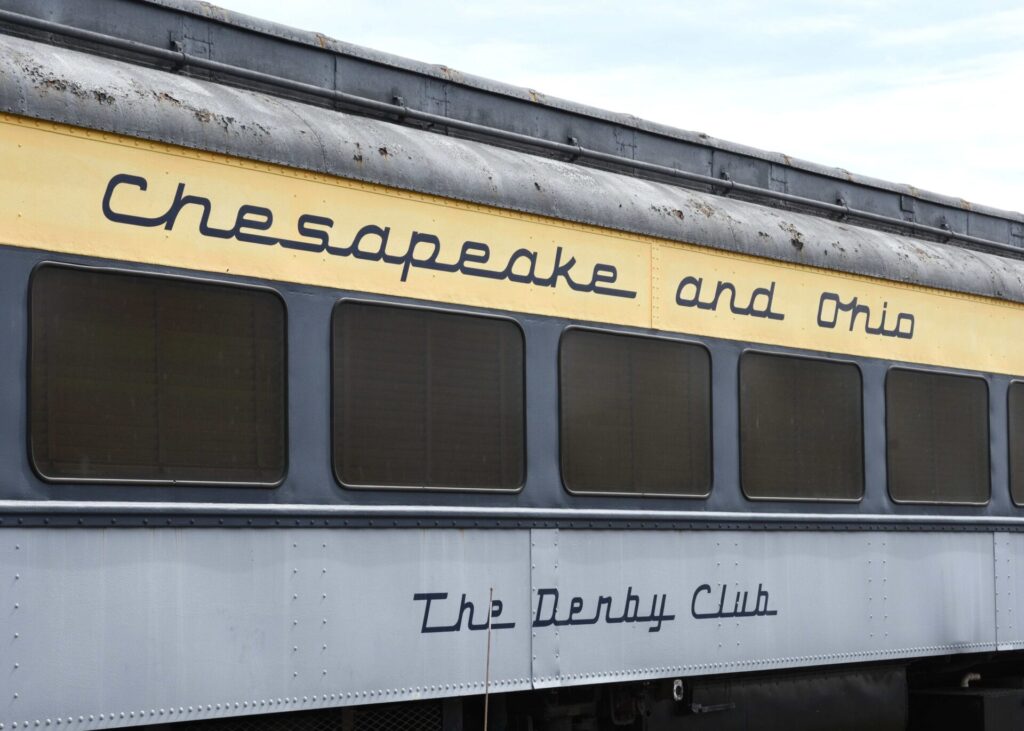
Looking back in time, as the railroad industry evolved from an untested technology to an industrial powerhouse, Maryland was at the forefront of development in the northeastern United States. The Baltimore and Ohio Railroad laid the initial segment of its track on July 4, 1828.
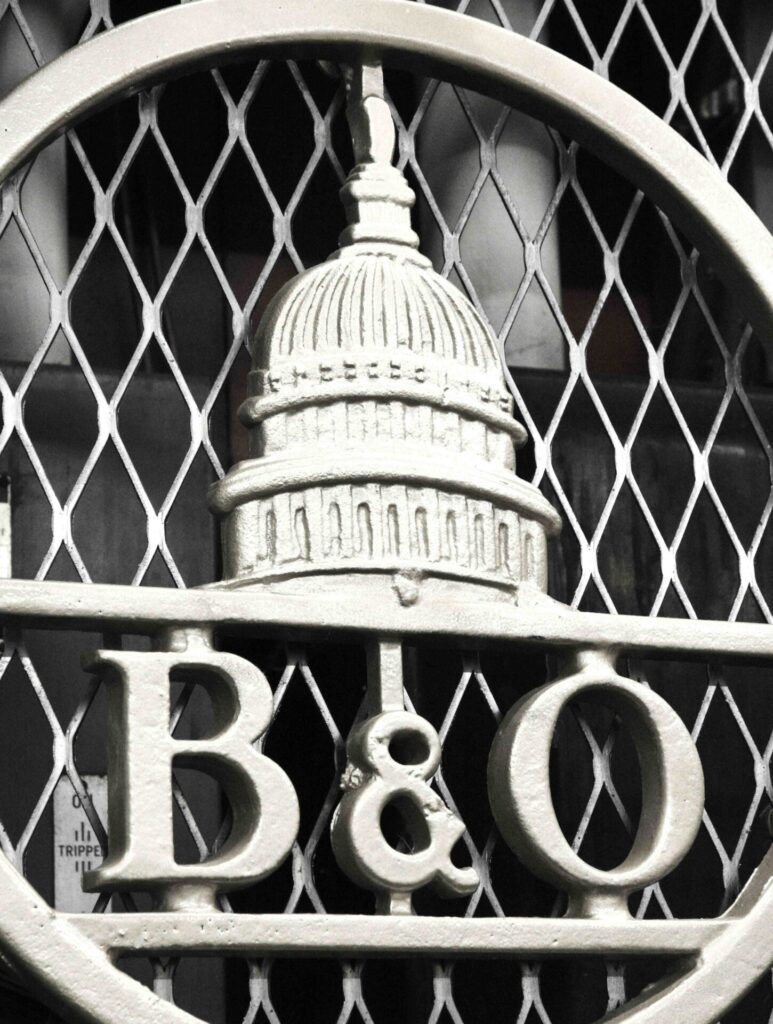
Charles Carroll laid the first symbolic stone. Fittingly, Carroll was the last surviving signer of the Declaration of Independence. The B&O’s ambitious goal: reach the Ohio River Valley with its main stem in five years. This task took 25 years instead.
However, the B&O became one of the most significant railroads in American history, offering the first regular passenger and freight service. At first, the mighty B&O bypassed Hagerstown, choosing a route traveling south of town. Eventually, Hagerstown was too important a hub to ignore, and the B&O built a spur into the city.
The intense competition to move goods from the Midwest to ports in Baltimore and Washington created ample business opportunities in Maryland, and more railroad companies formed. The Cumberland Valley Railroad was the first rail enterprise to enter Hagerstown in 1865. The Shenandoah Railroad completed a connection to the CVR in 1882, and later Norfolk & Western Railroad absorbed it. In subsequent years, the Reading Railroad connected in Hagerstown as well.
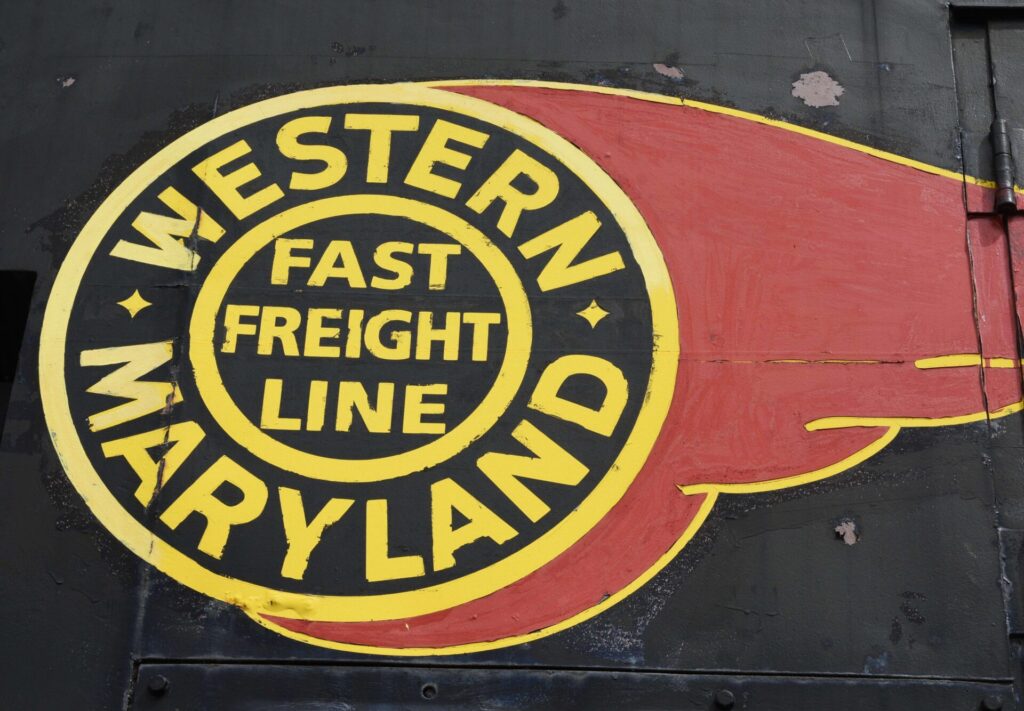
Investors chartered the Western Maryland Railway in 1852. Based in Baltimore, track construction started in 1857 at Ownings Mill, Maryland, and the rail line reached Hagerstown in 1872. The WMR’s primary emphasis was coal hauling and freight service, but it also evolved into a passenger railway, a sideline creating a significant impact on Western Maryland tourism.
Leading into the Civil War, railroads faced local competition from a different mode of transportation, the Chesapeake and Ohio Canal. However, these regional rail lines easily out-maneuvered the C&O channel, which used the inefficient labor of mules and horses to pull its canal boats.
The railroads used the canal’s right-of-way for its tracks and expanded further. The C&O Canal stalled its construction at Cumberland, Maryland, and eventually abandoned the waterway. The railroads kept chugging westward.
When the war broke out, railroads gained importance by transporting troops and supplies, giving the Northern states (Maryland remained in the Union) a distinct advantage over the Confederates.
As post-war rail lines prospered, this success led to a new phase of transportation dominance and industry saturation, beginning in the 1870s. During this era and afterward, enterprises used their significant assets in a push for success. First, they laid tracks, creating another vital entity, railroad corridors. Along these routes, rail companies built grade separation structures like bridges and tunnels.
Once this web-like system was in place, powerful locomotives and other connected equipment steamed down those tracks. They stopped at grand railroad stations built along the route to pick up passengers and freight, and then rolling stock retired to railroad yards for service and repair. During its heyday, the Hagerstown area possessed most of these components (with tunnels dug further west), and multiple rail lines shared these assets.
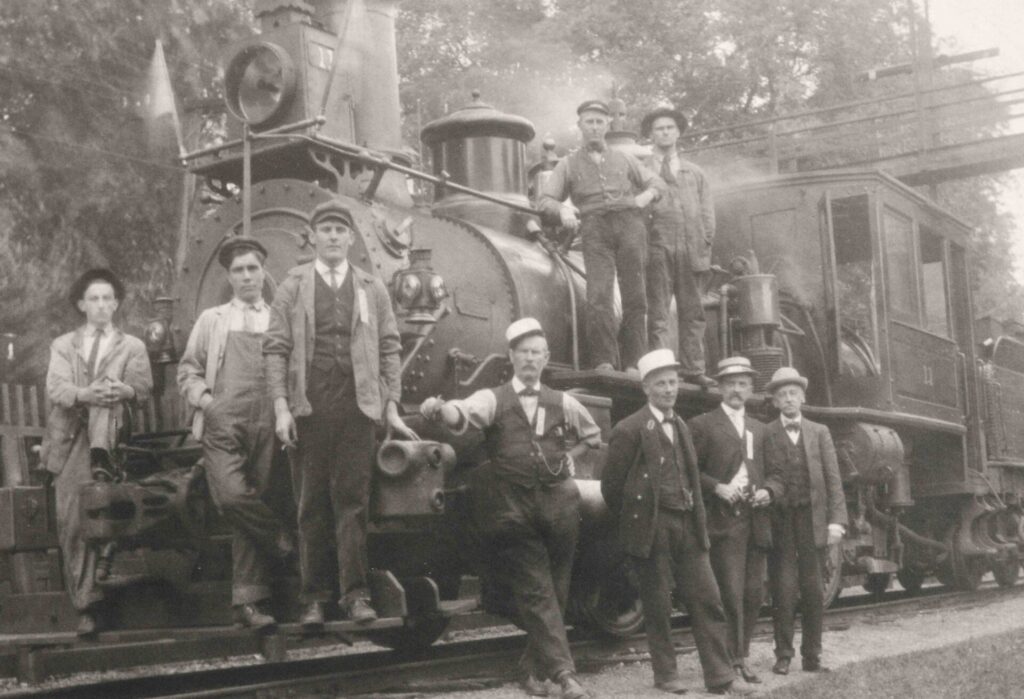
The men who worked on the railroads throughout the years were dedicated professionals. They exhibited an unrivaled passion for their careers. From conductors and engineers to baggage handlers and on-train mail sorters, they worked long hours and braved harsh working environments.
For the Western Maryland Railway, one household created an indelible impression. The Rhodes family included nine brothers who served a combined 188 years working for the WMR, an incredible testament to hard work and family tradition.
Working on the railroad could be a dangerous occupation. In 1915, a train official in Hagerstown mistakenly issued a faulty directive to two trains scheduled to pass on a single Maryland track. Neither train pulled over to a siding, and a head-on collision occurred on a trestle near Thurmont. Six people died, including a train engineer and a fireman.
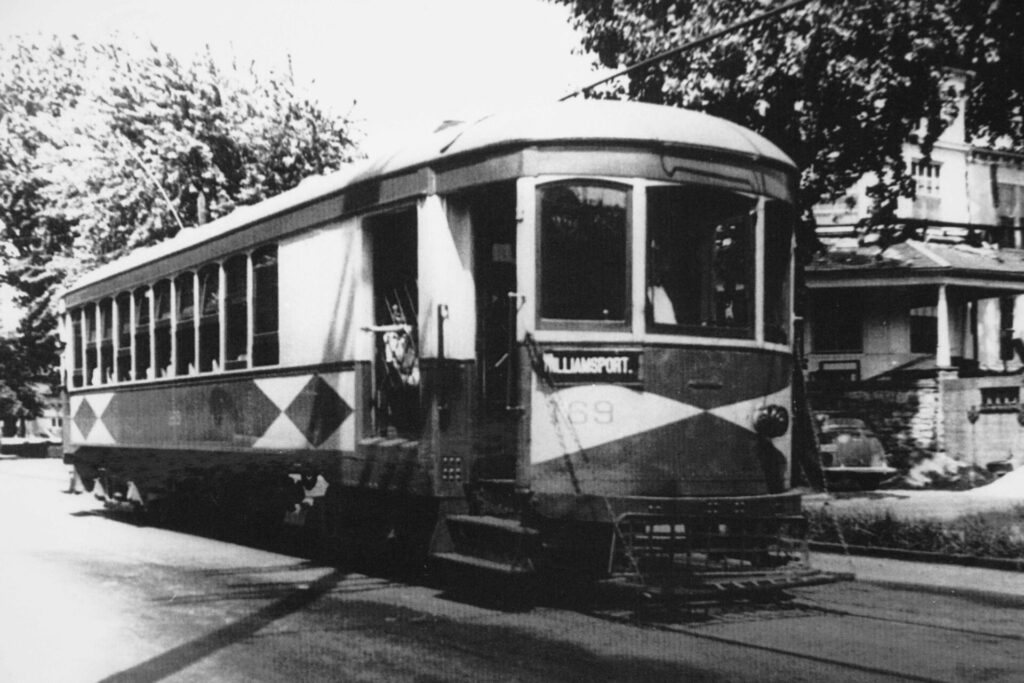
Not all rail lines used gigantic locomotives to move freight on their tracks. The Hagerstown and Frederick Railway formed in 1896. This enterprise transported people from place to place on trolley cars along 87 miles of specially installed track.
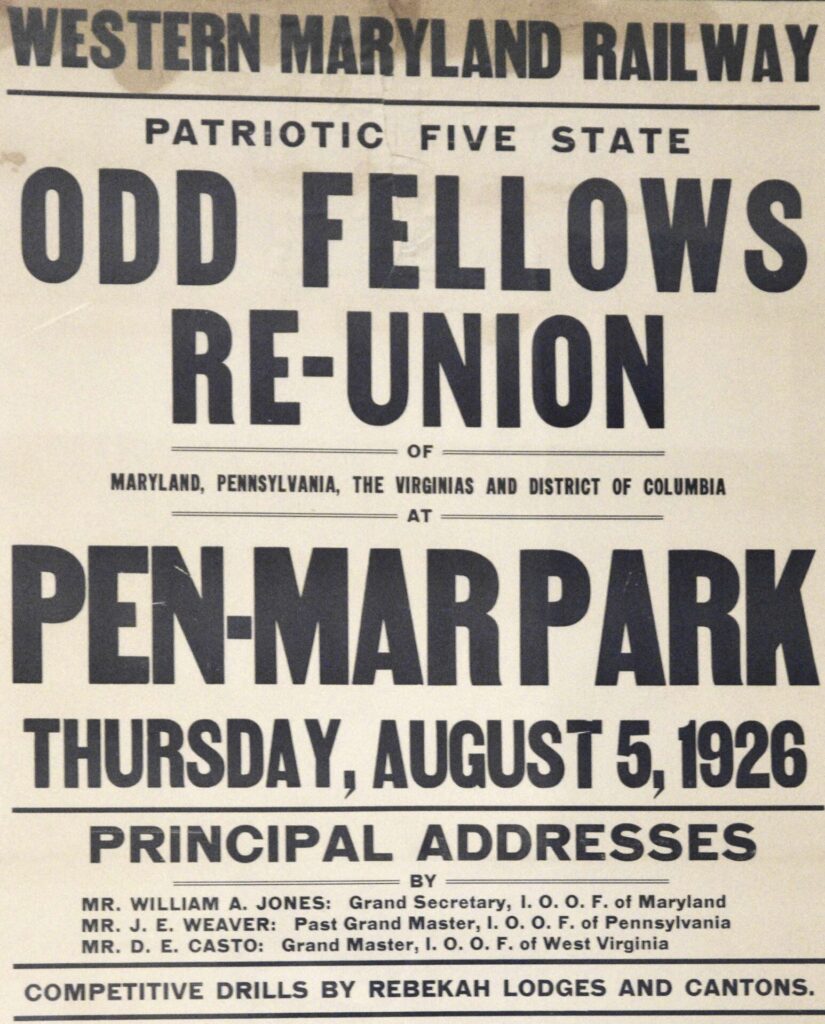
For the major rail lines, the Western Maryland Railway became an influential local institution during its peak years. The firm branched out, creating a company-owned tourist attraction. Under Colonel John Mifflin Hood’s leadership, the WMR unveiled Pen Mar Park in 1877, and a cherished local landmark was born.
Six years later, the WMR built the nearby Mountain House Hotel. Other hotels sprung up on the Appalachian mountaintop, and up to 20,000 daily visitors enjoyed the park during peak summer months. An estimated 600,000 revelers arrived at Pen Mar each year (which straddled the Pennsylvania/Maryland border) on Western Maryland Railway trains. Hood’s idea to link trains to tourism was a huge success.
After World War I, several factors slowed the rail industry’s pace, and those forces shifted operating tactics and initiated many business challenges. The automobile provided individuals with more independence, and they no longer tailored their travels around a train’s schedule. Rail passenger service entered a steady decline, and many passengers never returned.
Automobiles eventually killed Hagerstown’s trolley business. The freedom of car travel also hastened the demise of beloved Pen Mar Park, later dismantled in 1943. The property reopened as a Washington County Park in 1977.
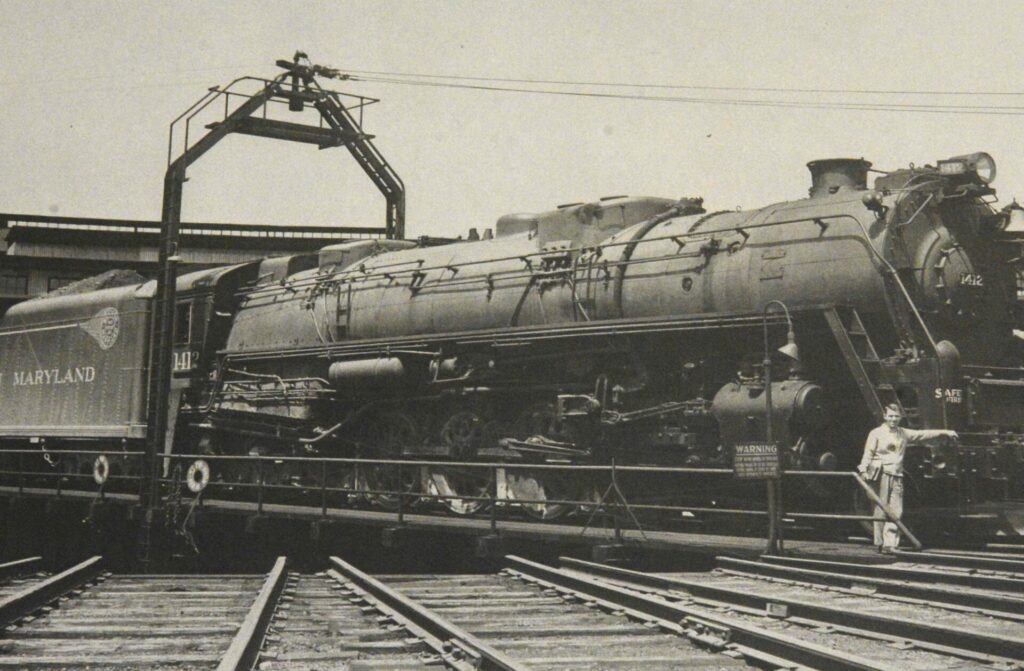
Remaining optimistic, the Western Maryland Railway built a new 25-stall roundhouse complex in 1939. This massive structure with shops facilitated repairs and maintenance as a gigantic turntable swiveled massive locomotives. The railroad industry was Washington County’s largest employer for nearly half a century.
During and after World War II, Hagerstown was a prominent player in another transportation industry, receiving help from its railroad resources. Fairchild Aircraft prospered, and rail lines assisted that growth. At peak production, the aviation firm employed over 8,000 workers in the Hub City.
Eventually, steam locomotives were replaced by the diesel/electric engines that now operate in modern times. However, this new technology never equaled the raw power of a steam engine. A remnant from that bygone era is Locomotive Engine 202, which sits retired at Hagerstown’s City Park Train Hub. This 1912 steam engine weighs 415,000 pounds, is 77 feet long, and served WMR until 1953. The railway later donated this iron horse to Hagerstown.
Several retired cabooses are available for touring at the Train Hub. That railroad car suffered the same fate as the typewriter, as new technology rendered cabooses obsolete. Those typical rear cars remain a romantic piece of train lore and are still a popular lexicon in the American vocabulary.
Hagerstown was once the hub where multiple rail lines converged, but as the industry progressed into the modern era, its current phase centered on consolidation. In 1973, a holding company combined its stock in the B&O, C&O and WMR lines and organized as the Chessie System. “Chessie” was a nickname for the Chesapeake and Ohio Railway. The Chessie System evolved into present-day CSX Transportation, which still moves freight as a major regional player, operating daily in Hagerstown’s continuing railroad environment.
Most architectural remnants from the old Hagerstown rail system vanished. The storied roundhouse was dismantled in 1999, but its turntable still functions in Ohio. One relic that survives is the handsome former Western Maryland passenger train station on Burhans Boulevard, built in 1913. The building is now home to the Hagerstown Police Department and is well-maintained.
Since 1989, the Roundhouse Museum has wowed visitors with an archive of donated and purchased artifacts and a retired collection of multi-colored train cars resting outside its building. Dedicated volunteers like Steve Ashby, who has worked weekends for 34 years, have spread enthusiasm and knowledge about the Hub City railroad legacy. “I got interested in railroading as a teenager, and I’m still fascinated by it,” Ashby said.
The museum also displays an impressive array of model railroad layouts. This miniature aspect of railroading is a favorite hobbyist pursuit. The intricate details of each setup give visitors a glimpse into yesteryear, with moving trains, reconstructed passenger stations and tiny tunnels and bridges. These layouts recreate the social and business fabric of the railroad industry. The Roundhouse Museum (roundhouse.org and 301-739-4665) is open Friday to Sunday, 12-4 pm.
For railroad aficionados, the loss of Hagerstown’s roundhouse still stings, and a new fight has emerged to save another local historic link. Locomotive Engine 202 has come under a recent preservation threat since Hagerstown’s government reportedly intends to sell it. Local activists are trying to save the 202 and keep the National Register-designated engine in the Hub City.
Railroads have inspired passions in many people from their earliest days. Not only modes of transportation, trains also represent a way of life, with free-spirited travel, remarkable engineering and hard work serving as bedrock ideals during a long-running history. Several local organizations advance that love affair by educating the public about many aspects of railroading.
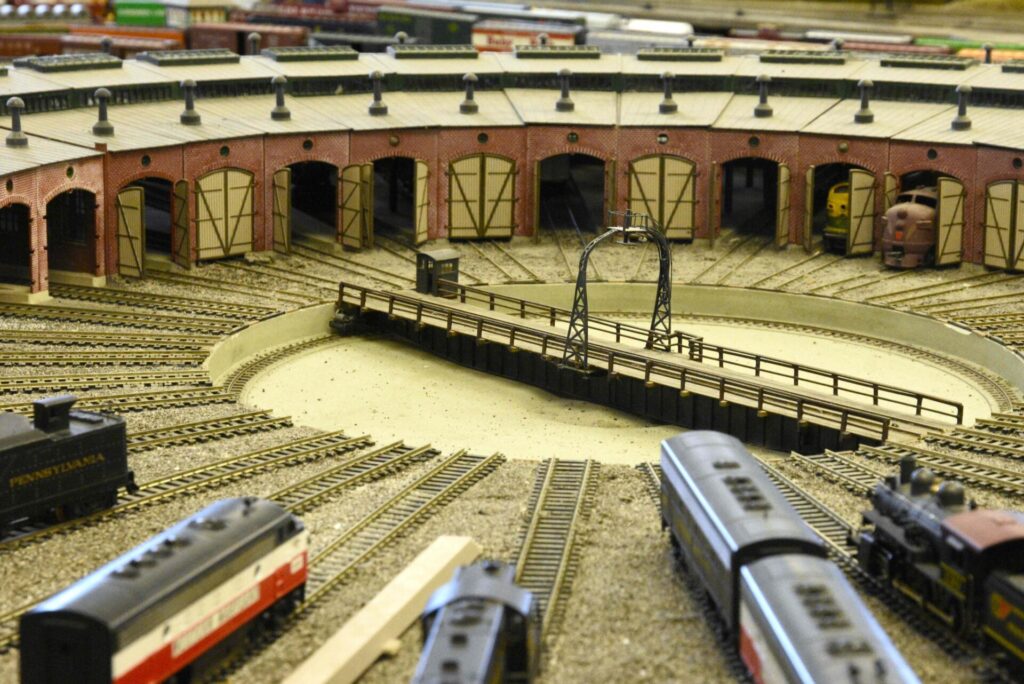
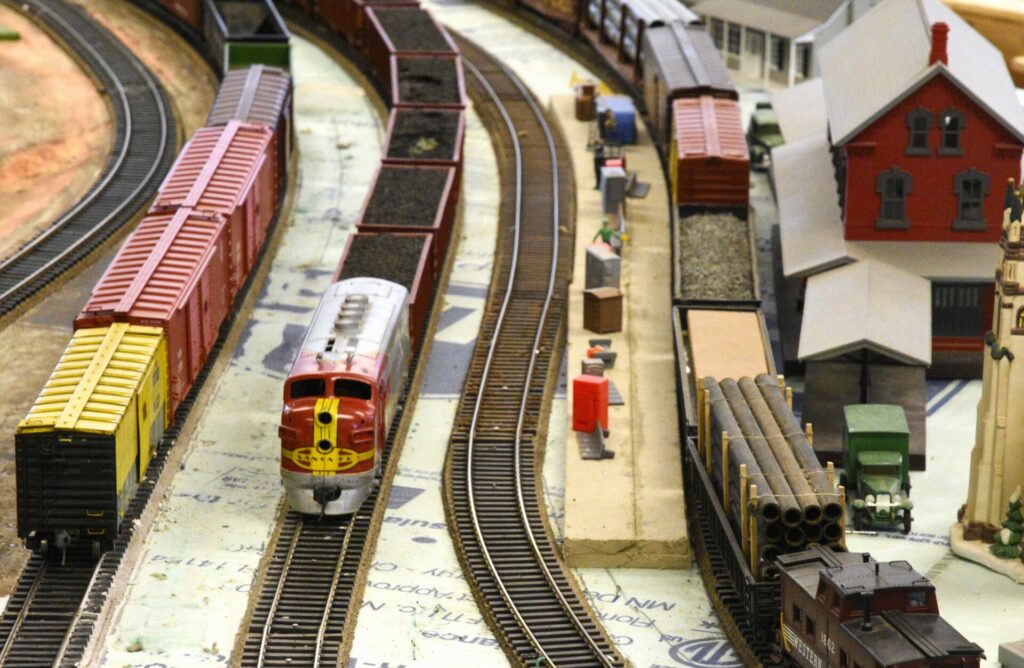
On a recent weekend at the Roundhouse Museum, visitors entered the complex with curious faces. Grandparents brought grandchildren to explore the two-floor exhibit space. Model railroaders tinkered with train layouts and swapped stories with guests.
Outside on the tracks, a modern CSX engine rumbled, its vibration felt inside the museum as it prepared to launch another run. Somewhere down the line, when that diesel engine and its trailing cargo approach a crossing, lights would flash and bells would chime to announce its passing.
A train’s solitary whistle echoes across the landscape, finding willing ears from miles away. That familiar sound signals this ancient mode of transportation endures, as its culture is celebrated in the Hub City and across America.