Hagerstown’s City Park mirrors the cultural identity and historical legacy of a thriving western Maryland community. With a unique backstory that connects benevolent citizens to the town’s founding era, railroad prominence, industrial heyday and ongoing artistic movement, City Park symbolizes the traditions and successes of Hagerstown.
Throughout the history of this landscape, it appears the most gifted individuals emerged at opportune times to foster the proper evolution of the property. This group of people, families and benefactors shared a love for their community and offered guidance and generosity. The ultimate result was the creation of one of America’s most beautiful and diverse public parks that has charmed visitors for over a century.
German immigrant Jonathan Hager arrived in western Maryland in 1739 and purchased 200 acres in an area that now includes City Park. That parcel of land contained several springs, and Hager sowed the seeds for a community here, later named in his honor. The handsome limestone house built atop one of those water sources, now known as Hager House, still stands today within the park. Visitors can tour the home, filled with historic furniture and artifacts.
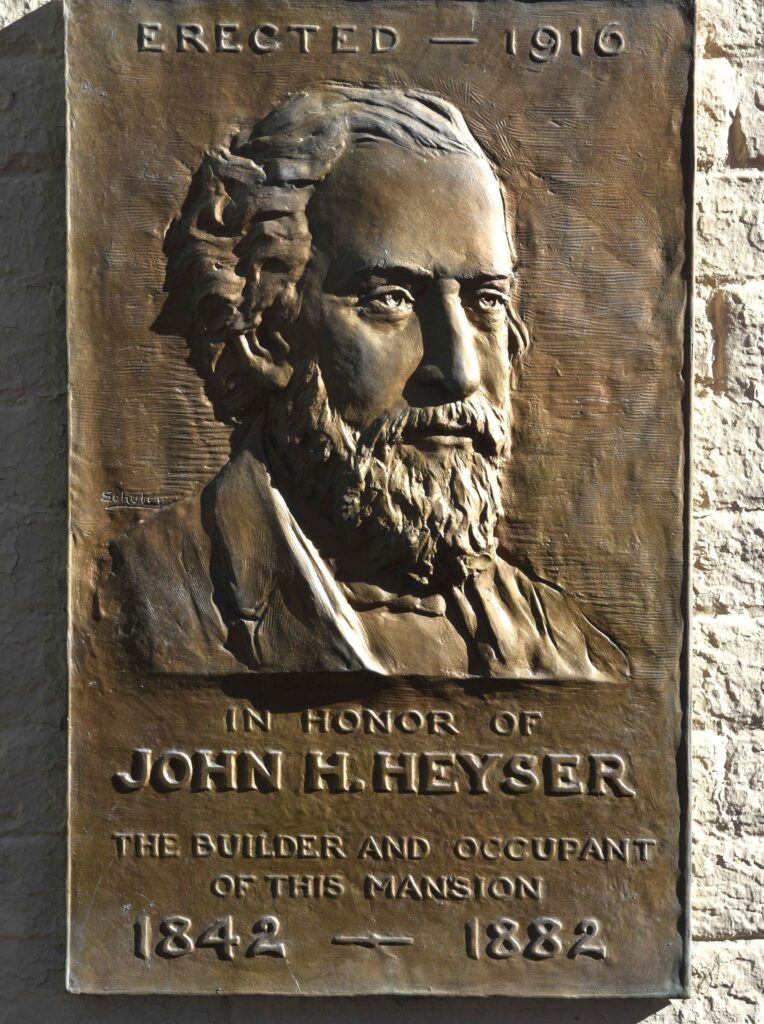
Hager eventually sold his land to Jacob Rohrer. His heirs later transferred the parcel south of “Hager’s Fancy” to new owners, the William Heyser family, in 1806. Grandson John Heyser later received a 170-acre tract within the current City Park boundaries. A multi-talented man, Heyser made an immediate impact on the landscape. He planted a 10-acre vineyard and built a mill to grind grain and saw wood. His romantic focus centered on his love for a 20-year-old woman named Susan Fechtig.
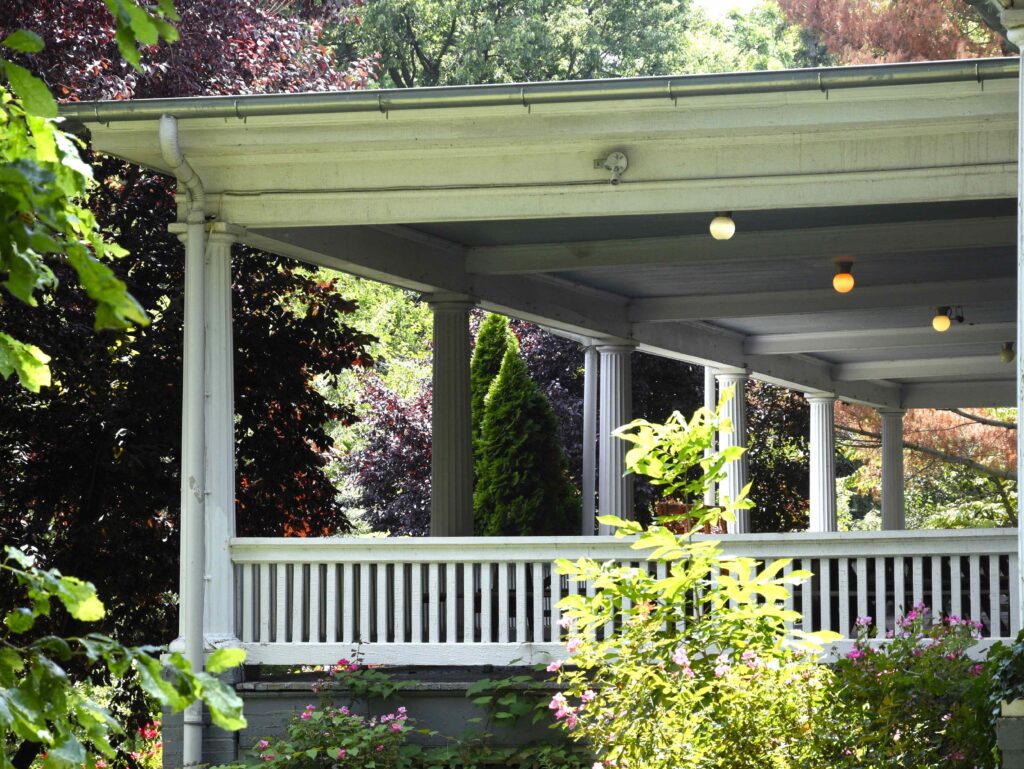
Described as “stunningly beautiful,” Susan initially spurned John’s affections and his marriage proposal. After Heyser promised Susan “anything her heart desired,” they married, and John began construction on his bride’s dream home. Three years later, in 1846, a mansion, which they called “Cedar Lawn,” was completed, constructed with limestone and bricks made from the property’s abundant lake mud. Susan Heyser insisted that they preserve the property’s forest, and she planted hundreds of trees.
The property also included an outdoor kitchen, a barn and outbuildings for John’s various business concerns. A greenhouse grew fresh produce year-round. The wine cellar near the house, still visible today, stored Heyser’s annual wine harvest, which in abundant years produced 10,000 gallons of wine.
The Heysers were a generous couple who shared the property with friends, and some vacationed there every year. They encouraged public gatherings on their bucolic landscape and allowed potters to harvest clay for their pieces. Susan’s renowned hospitality earned her the moniker “Mistress of Cedar Lawn.”
In 1852, the Heyser’s property hosted the first Hagerstown Fair. Accordingly, Susan Heyser was honored as the fair’s queen. A few years later, the Heysers allowed the Hagerstown Fair Association to clear land for a horse racing track. The property grew in popularity, already functioning as a community park in practice through the gracious hospitality of its owners.
The couple raised four children and continued to host friends and gatherings for picnickers and nature lovers. John became an expert horticulturalist. His grape wines won numerous awards. He was also a talented artist and musician, and John created a life-sized painting of John the Baptist.
The Civil War signaled a change in the Heyser’s good fortune. The conflict brought an end to the annual fair on the property, and both Union and Confederate soldiers camped on the grounds during the war. Fate didn’t reward the Heysers for their benevolent character. Susan Heyser died at age 35 in 1861 while giving birth to their fifth child inside the Cedar Lawn home.
Her heartbroken husband threw himself into his various enterprises and supposedly never loved again. John met his untimely end while traveling for business in Florida, murdered during a robbery attempt in 1881. The ill-fated couple rests in Hagerstown’s Rose Hill Cemetery.
A few years after John Heyser’s death, land ownership passed to the Armstrong family in 1884. Brothers William and Alexander Armstrong owned extensive business holdings and formed the West End Improvement Company, an enterprise poised to prosper from Hagerstown’s tremendous growth during the Industrial Age. This company managed the land tract, and after years spent in leisurely pursuits, the former Heyser landscape appeared destined for commercial development.
The West End Improvement Company leased land to several businesses, and these third parties built factories, including the Hagerstown Ice Company and Hagerstown Furniture Company. During the city’s boom years, Hagerstown’s population tripled between 1880 and 1930. By 1914, the town was the second-largest manufacturing city in Maryland. It appeared the Armstrong land tract now favored local industry.
However, the land’s ultimate destiny changed a year later. William Alexander’s wife, Anna, died in the old Heyser home, and the couple had no heirs. A growing national movement for urban parks reached Hagerstown. With public enthusiasm providing the motivation, the city asked a landscape architect to scout four properties as potential park sites. The Armstrong property was the clear consensus since it already possessed all the natural amenities a park needed. It also had popular support after the Heysers shared the land with the community. The city purchased 50 acres from the Armstrongs for $40,000 and a new era began in Hagerstown.
When Hagerstown City Park opened, it included the Heyser’s manor home, now called the Mansion House. The park commission hired landscape architect George Burnap to design the new park. Burnap possessed an impressive pedigree. A few years earlier, he became the lead architect for the Office of Public Buildings and Grounds in Washington, DC. Serving in this capacity, Burnap initiated the planting of Japanese cherry trees along the Tidal Basin, and he also worked with First Lady Ellen Wilson to design the White House Rose Garden.
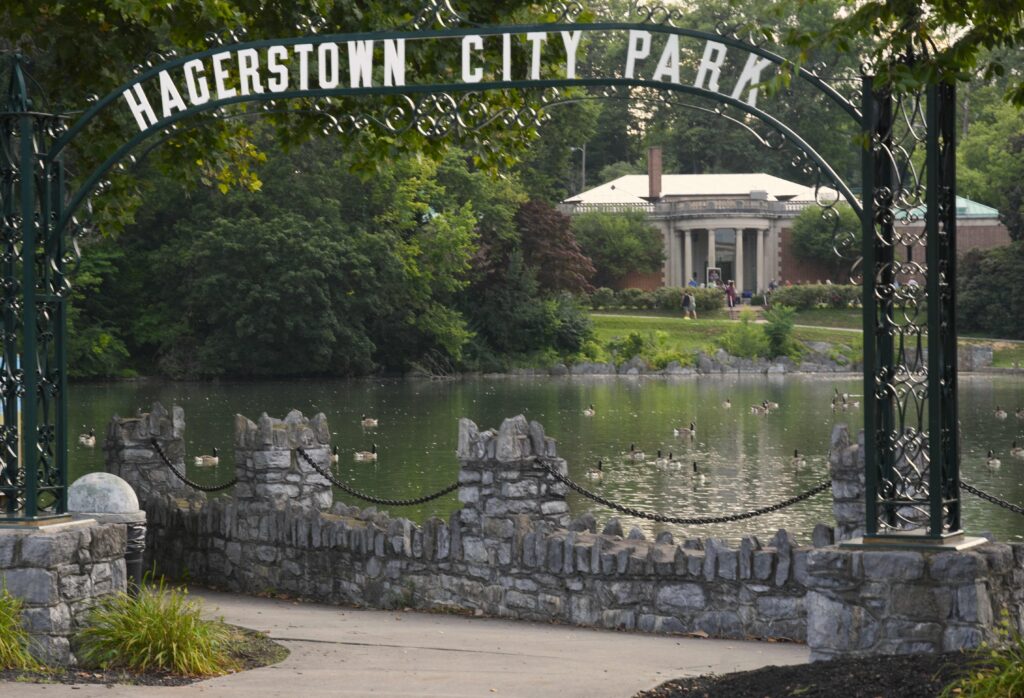
Burnap authored a book titled “Parks: Their Design, Equipment, and Use.” The landscape architect foresaw the Hagerstown site’s immediate potential but also recognized a park of that size would continuously evolve past a single lifetime. Burnap said parks didn’t always require a finished appearance, and an urban landscape had merit if it “suggests the promise of great beauty in the future.”
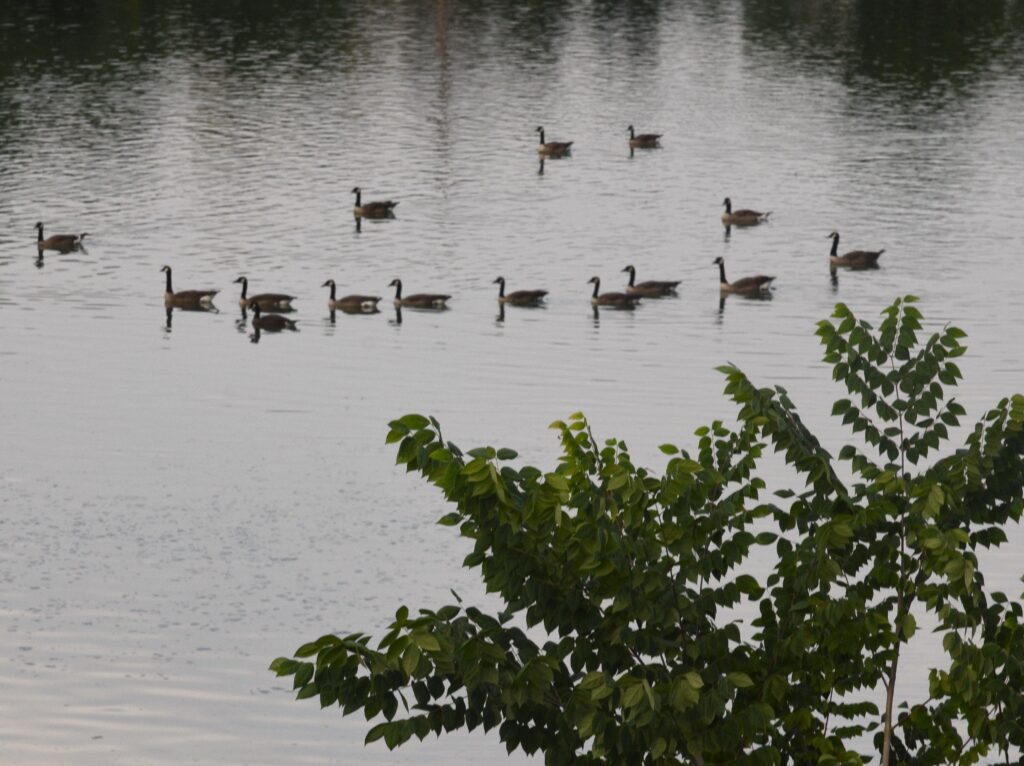
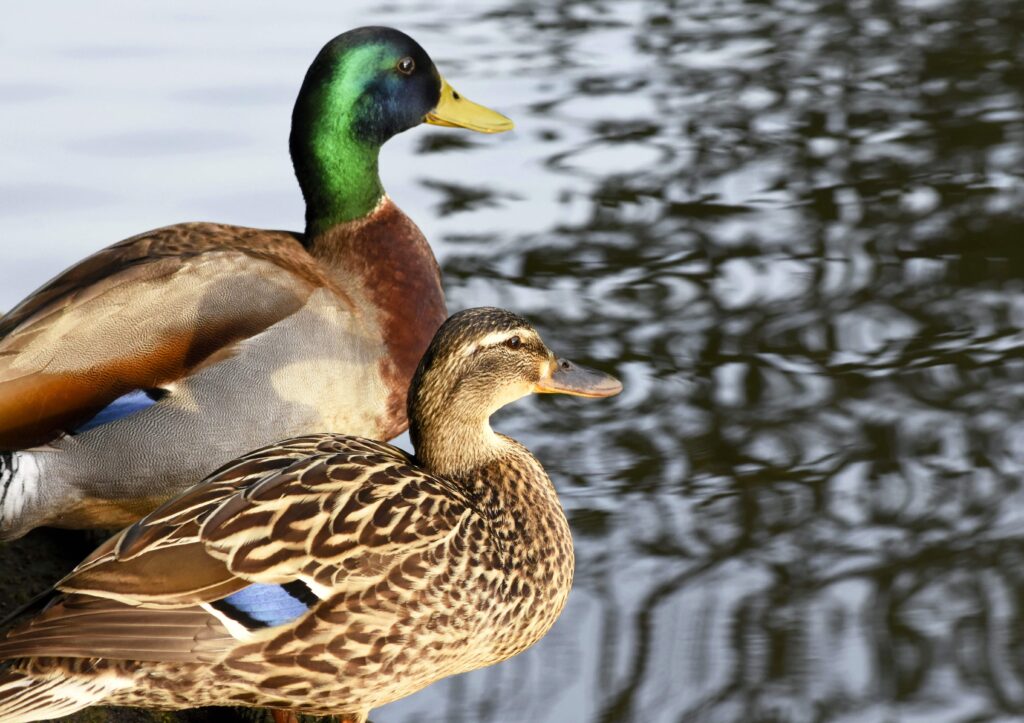
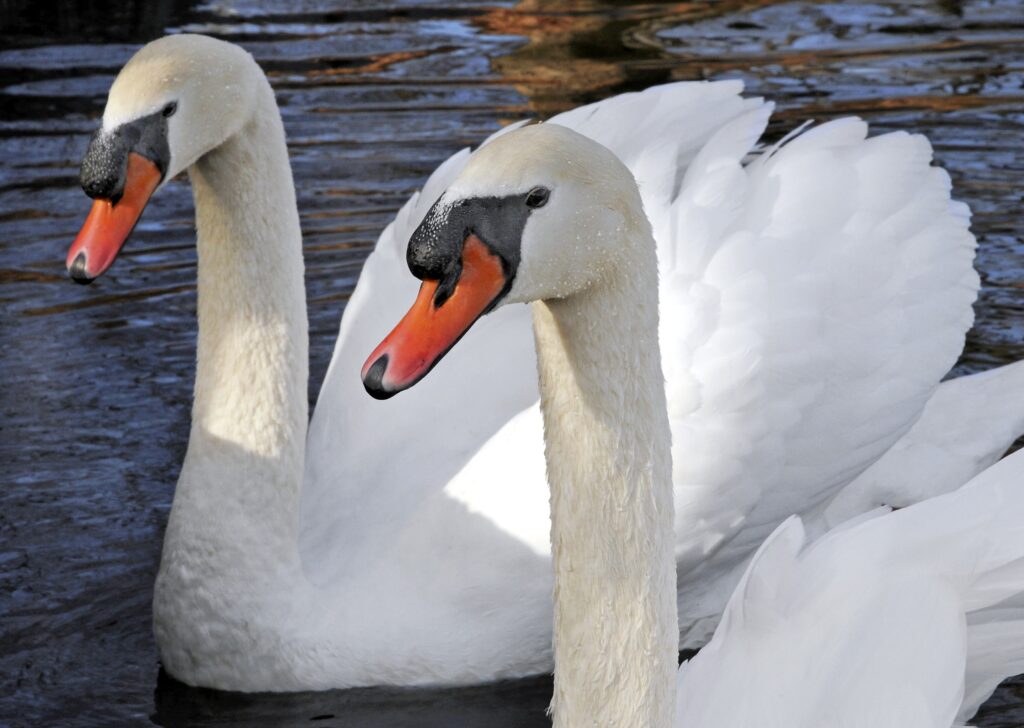
Burnap’s original design featured meandering paths, stone walls and decorative iron gateways. The first major project at City Park was draining a large swamp and replacing it with a manmade lake. Half a dozen springs within the park’s boundaries guaranteed abundant water, supplying an estimated 35 gallons per second. Waterfowl and aquatic creatures soon took advantage of the habitat. Citizens brought swans to the lake, and at one time, it was home to as many as 30. That elegant white species became the park’s unofficial symbol.
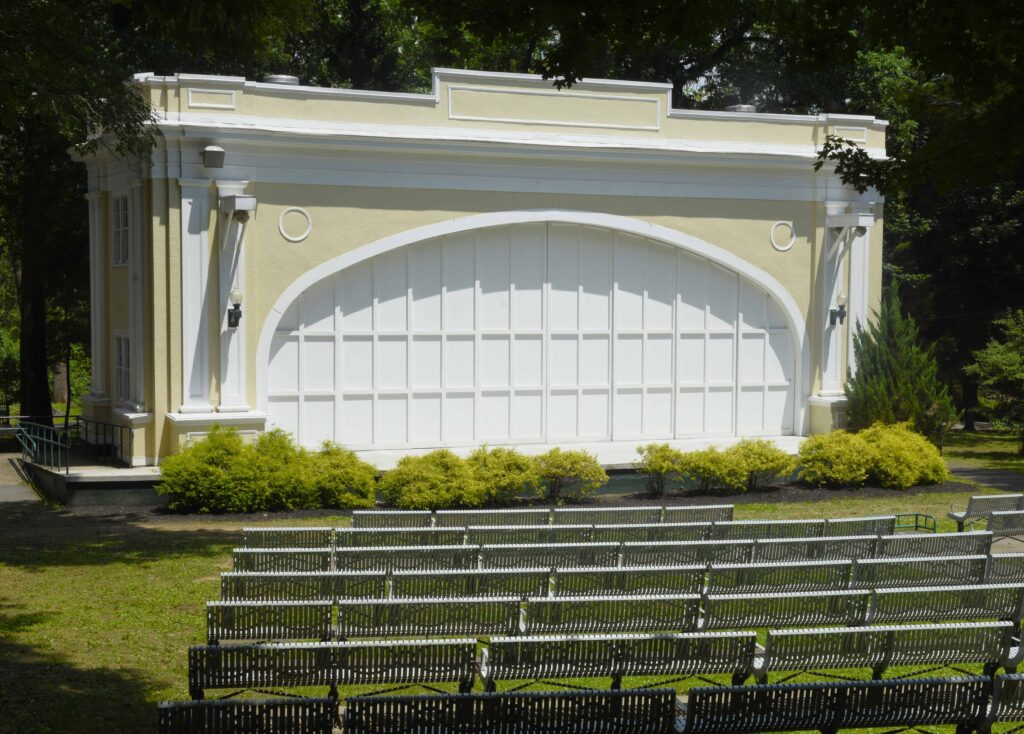
Music and entertainment have always been prominent City Park features. Hagerstown first erected a pavilion to host its Municipal Band in 1915. Park officials built an elaborate band shell during the Depression era and later named it for Dr. Peter Buys, who served as director of the Municipal Band from 1920 to 1959. Dr. Buys was a former member of John Philip Sousa’s band, one of America’s preeminent bandleaders and composers.
Today, the tradition of summer Sunday evening concerts continues at City Park’s band shell, and its architectural style is a work of art standing on its own. The stage has performance space for up to 100 musicians, and the seating area accommodates 250 people.
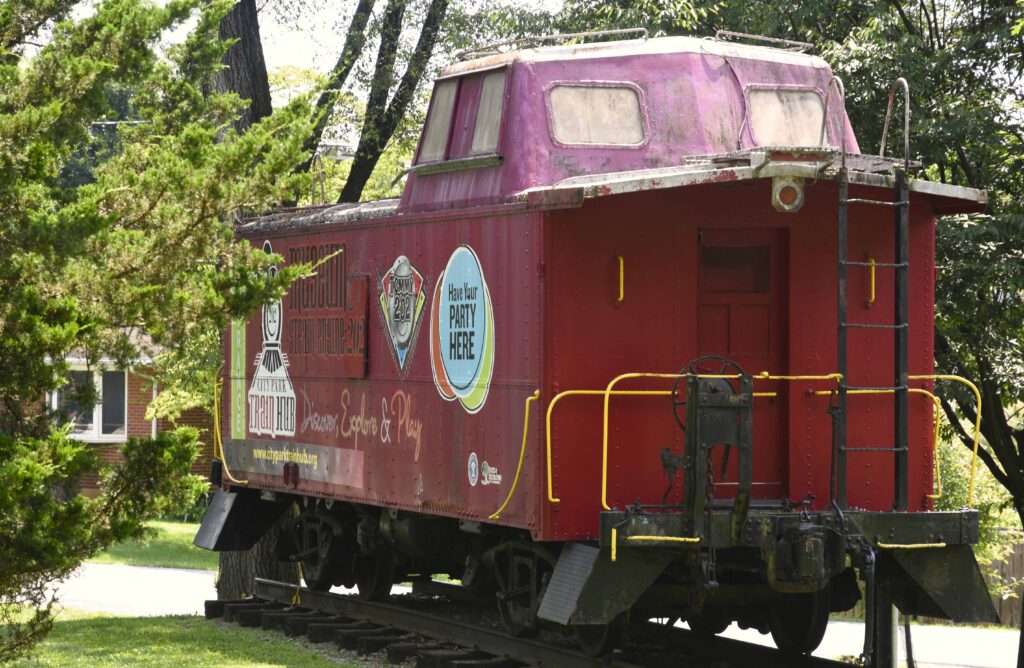
Since City Park is bordered on two sides by active railroad tracks, Hagerstown celebrated that railway legacy when the massive #202 Steam Engine was donated to the town in 1953. The 415,000-pound iron behemoth entered service in 1912, and it is the only remaining Western Maryland steam locomotive still in existence. Today, the park’s “Train Hub” contains other pieces of railroad history, including red cabooses, as it commemorates Hagerstown’s significant rail legacy.
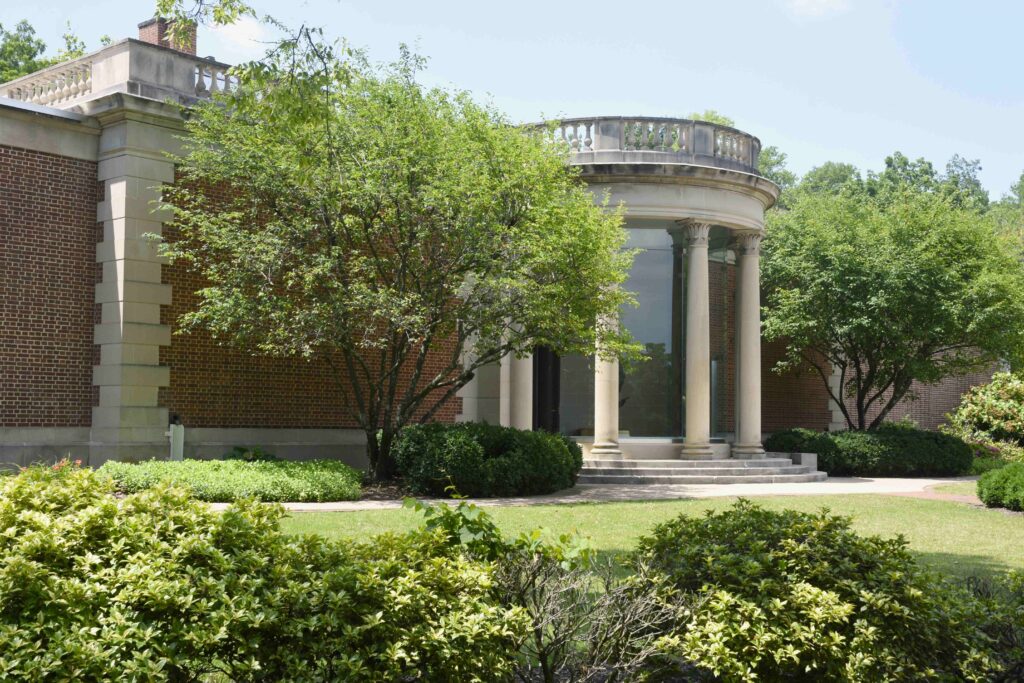
Possessing the same charitable spirit as the Heysers before them, another couple served as park benefactors beginning in the 1920s. Wiliam and Anna Singer were a well-traveled couple who amassed a significant art collection. Like John Heyser before him, William was a talented painter. The Singers wanted to share their love of art with Anna’s hometown of Hagerstown and formed the Washington County Museum of Fine Arts. The Singers chose City Park for its location and completed a handsome neo-Georgian-style red-brick building trimmed with local limestone in 1931.
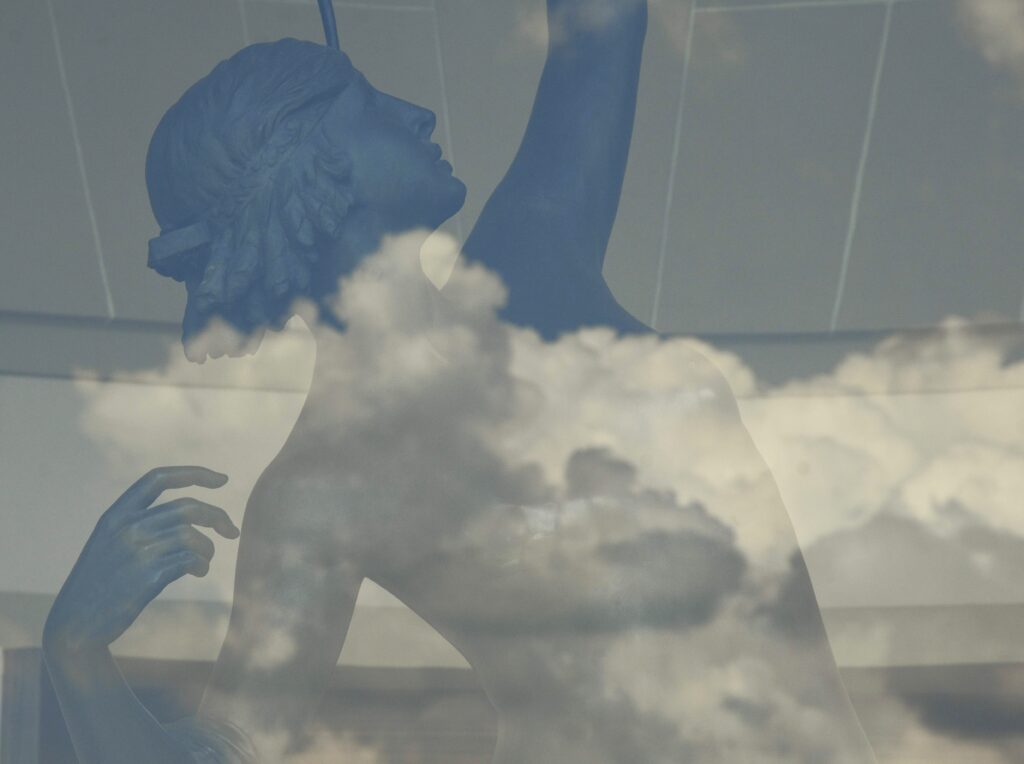
As museum prospered, the Singers continued their philanthropy and added two wings to the museum in 1949. Today, this facility is considered one of the finest small art museums in the United States. With an impressive collection of over 7,000 pieces, including Anna Hyatt Huntington’s “Diana of the Chase,” a bronze life-size sculpture in the building’s east portico, the museum upholds the Singers’ wish to preserve and exhibit high-quality art in Hagerstown.
In 1938, artists formed the Valley Art Association to promote and exhibit their collective works. Since 1991, this group has leased City Park’s Mansion House as their gallery space, and over 100 artists showcase creations in the Heyser’s old home.
A century after its creation, Hagerstown’s City Park has lived up to George Burnap’s ideal. It has constantly evolved with its artful institutions and the preservation of the land’s natural beauty. The Heysers and Singers would surely be pleased by the park’s modern vitality. Hagerstown’s City Park is an oasis filled with natural elements that feed the senses during every season. Combined with an exquisite art museum that is free to the public, artifacts that date to the town’s founding, relics from its railroad heritage and year-round cultural activities, City Park brings endless delight to its Hagerstown visitors.