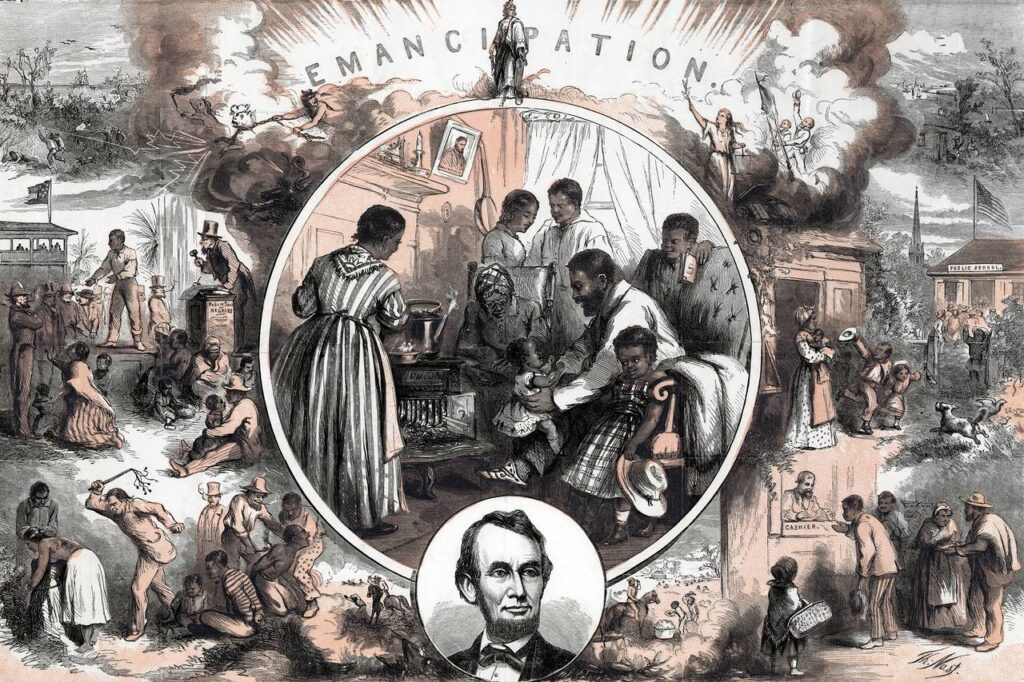
Pennsylvania was the first state to face the ugly specter of slavery nearly 100 years before the Civil War. On March 1, 1780, the state passed the first legislative act to abolish slavery with the Gradual Abolition Act. While the law did not end slavery in the state, it did make any children born to a slave after the passage of the bill free–a small step, but an important one.
The act came to fruition under influence of the Pennsylvania Abolition Society which was founded in 1775. Pennsylvania’s efforts to help those enslaved would also influence other northern states to follow suit.
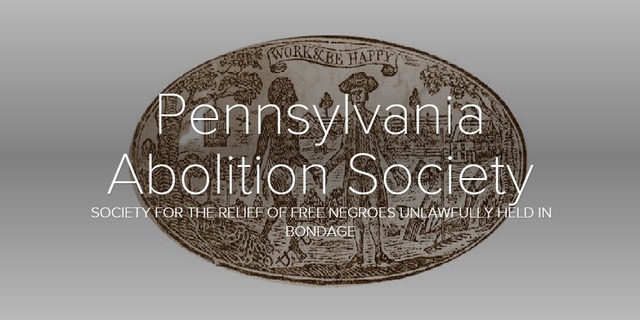
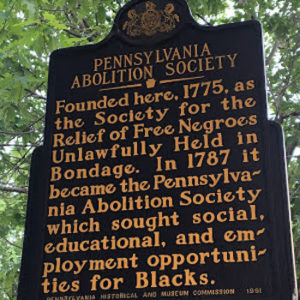
Individuals like Benjamin Franklin, who at one time was the president of the society, was doing all he could to help those in bondage by offering legal aid and helping freed slaves navigate their way through a bigoted community.
Franklin County was one of the most productive county’s in the state and a significant one based on its close proximity to Maryland, which at the time was pro-slavery. Borough’s like Chambersburg, Mercersburg, and Waynesboro set up freed black communities where individuals and families could build a life free of oppression.
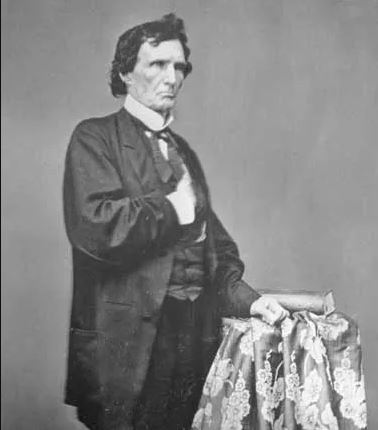
Abolitionists such as John Brown and Thaddeus Stevens would help in any way they could to ensure the safety and productivity of these communities. Getting the freed slaves there was the biggest challenge.
Escaped slaves would seek out “guides” who would lead them under the cloak of night through the South. During the day they would hide out in churches, barns, and homes that were declared safe. This process would before forever be immortalized as The Underground Railroad.
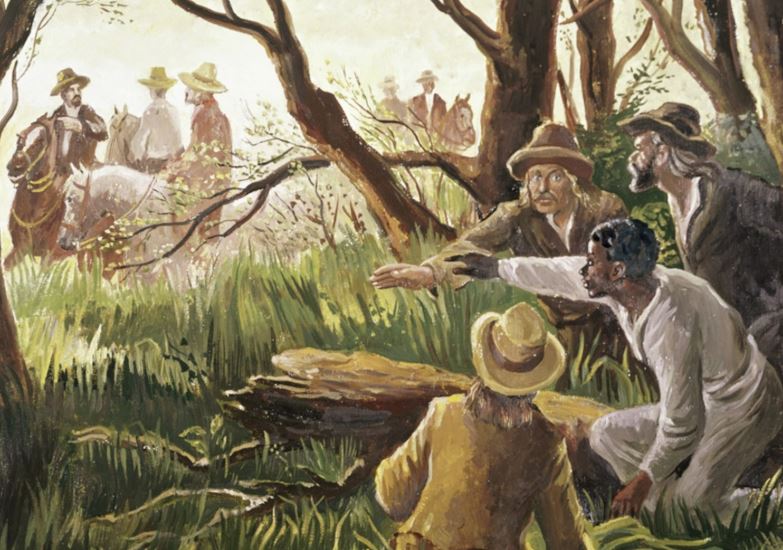
Pennsylvania, and especially Franklin County, would become a finish line for those of the journey to freedom because of its stance on abolition. Of course, not everyone in the county supported the cause, and it was certainly not an easy life for free individuals, but again it was a start. Another step in the direction toward ending one the biggest travesties in human history.
The borough with the highest population of free or runaway slaves was Mercersburg. This was because of the use of trails in the area that made navigating further north less treacherous. Thaddeus Stevens would provide work for free men at his Iron Works at the Caledonia Furnace. There a large community of free blacks would grow as new families arrived via the Underground Railroad.
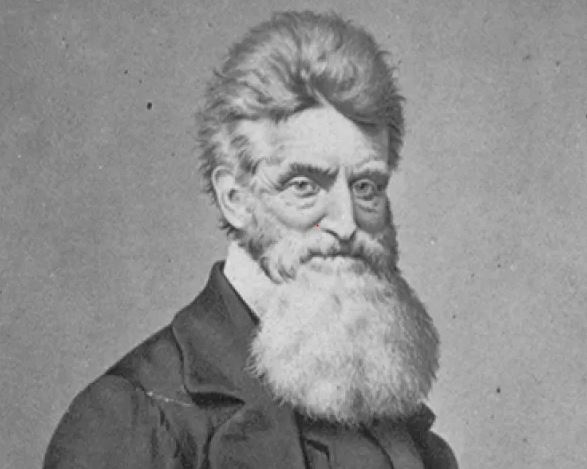
Of course, no one can forget that radical abolitionist John Brown, whose attack on the armory in Harper’s Ferry, remains one of the most controversial and iconic figures in history. He would set up his base of operations in Chambersburg where he would receive arms and ammunition used in the raid.
It is almost ironic that President Abraham Lincoln made his most famous speech on the Battlefield of Gettysburg. The Emancipation Proclamation was the final piece of the puzzle for abolition. All the men and women who sacrificed so much in the name of freedom had finally had their hopes and dreams become a reality. With the end of the Civil War, so came the end of slavery.