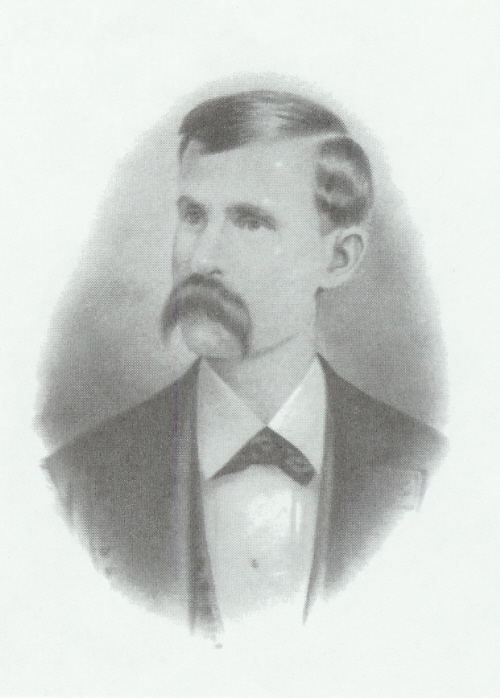
WAYNESBORO – One of the most prominent names in structuring the history of Waynesboro was Dr. John M. Ripple. Husband, father, war veteran, trusted physician and respected businessman, the legacy of Dr. Ripple has lived on well beyond his lifetime.
John Ripple was born on the 29th of August in 1843 to father Joseph Ripple and mother Mary Ann Sheeler in Beaver Creek, Maryland. He was the sixth of the farming couple’s 13 children. While little has been documented about the early life of John Ripple, it was without a doubt his upbringing in the farming fields of Maryland during this growth period in the United States that helped shape the growing mind of the future entrepreneur.
He was nearly 3 years old when the United States went to war against Mexico (Mexican-American War 1846-1848), and while he was far too young to fight in that war, his days on the battlefield would come soon enough.
In 1863, the nation was again at war, but this time the conflict was within, and in 1865, 21-year-old Ripple was drafted into service and joined the Company G, 99th Regiment of Pennsylvania Volunteer Infantry where he would serve the Union for four months.
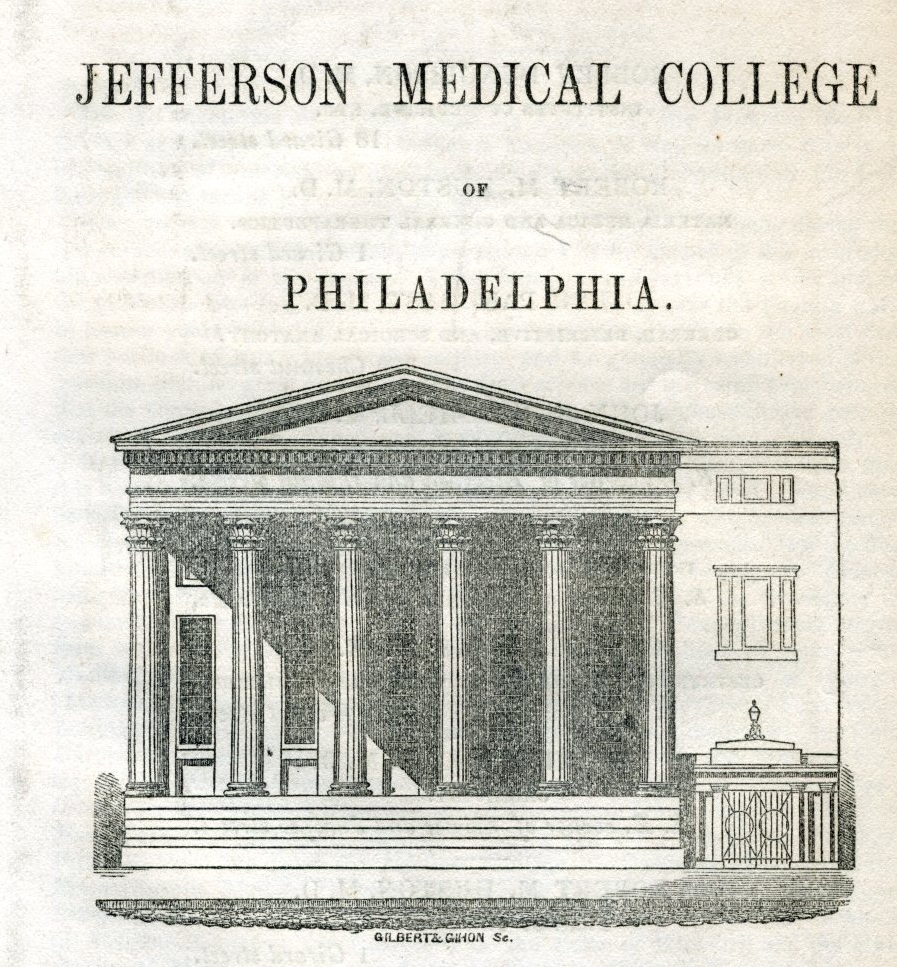
After the war, Ripple would pursue a medical degree, and in 1868, he graduated from Jefferson Medical College in Philadelphia. The man who began his life as the son of a farmer, fought as a solider, studied hard to gain his degree, had now grown into a distinguished young doctor who would become well respected by his community.
The next chapter in his life began when he met Margaretta Lee Cook, a resident of Franklin County, Pennsylvania, and an accomplished musician. The two were married on Dec. 14, 1871, and in 1874 they would welcome the first of their four children, Joseph. The couple settled in Waynesboro and in 1872 began building their home which still sits at 144 W. Main St.

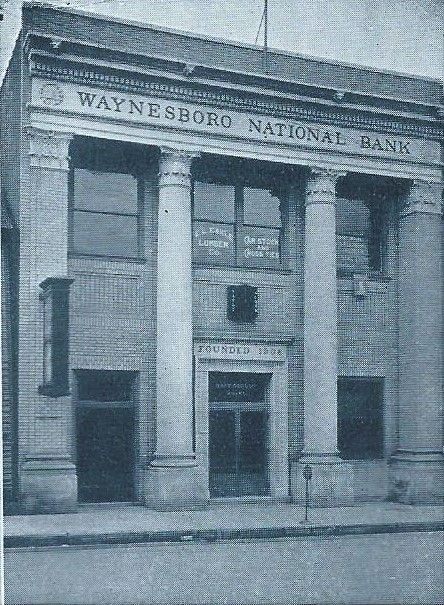
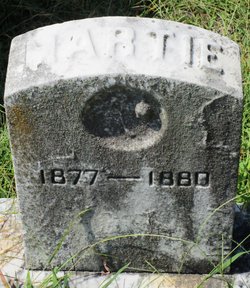
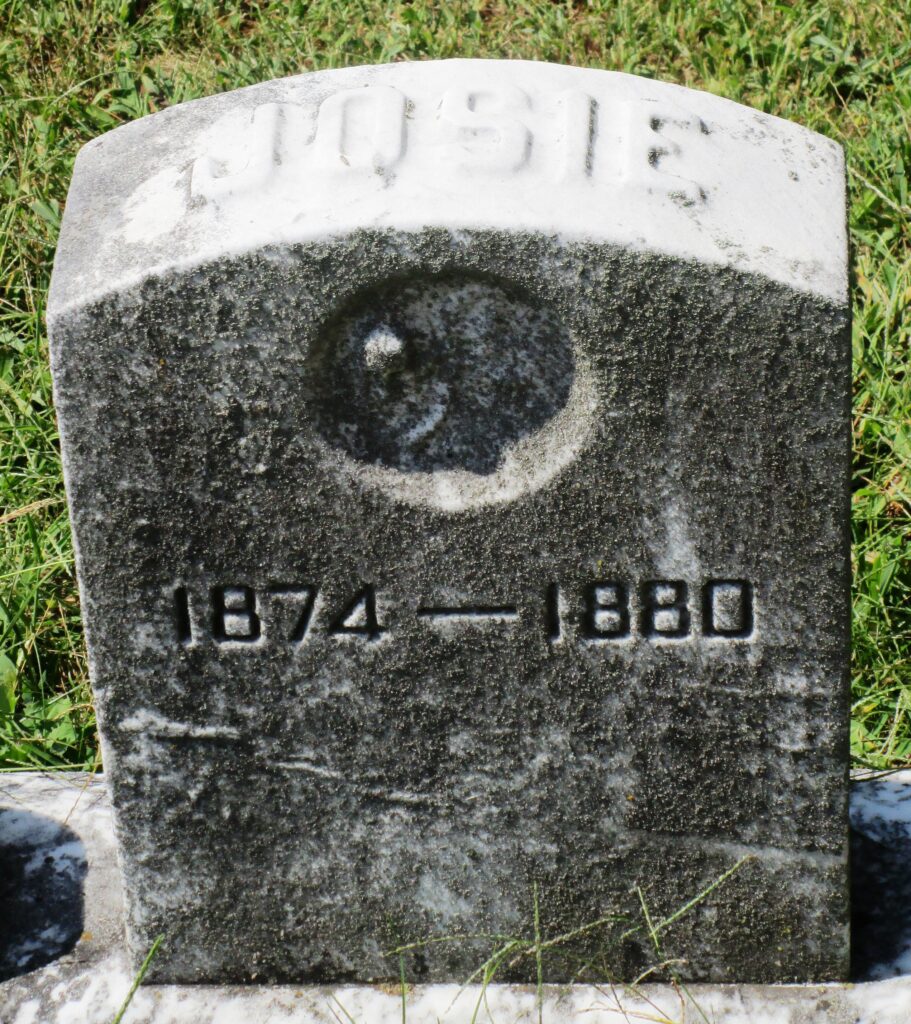
Dr. Ripple’s medical practice was very successful during this time period, and times were prosperous for the small family. In 1877, they welcomed their second child, a baby boy named Martin. However, tragedy loomed just around the corner. Young Joseph had been stricken with influenza and succumbed in 1880, and then only a few weeks later, Martin also was stricken with the dreaded disease. In a very short span of time, Dr. Ripple and Margaretta had lost both of their sons.
Despite these dark times, the couple persevered and on Feb. 11, 1881, their daughter Mary Margaret, or “Margie” as she would be known, was born in Waynesboro. The last of their children was John M. Ripple, Jr. who was born in 1884.
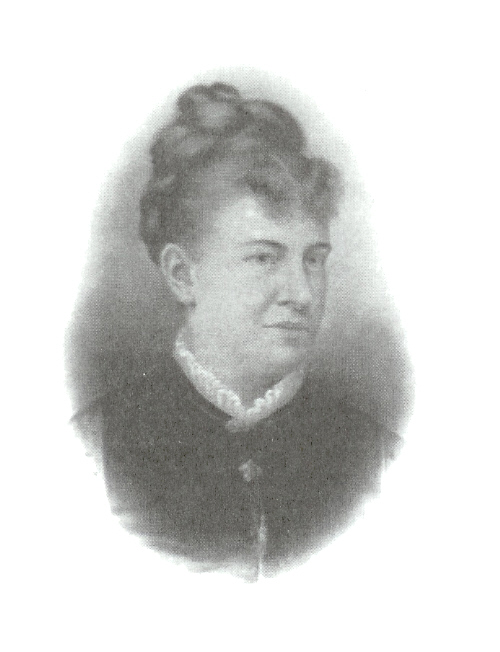
With his domestic life once again blissful and his medical practice a success, Dr. Ripple then moved into the next phase of his life, helping to build the community he loved. He became one of the founders of the Waynesboro Land Improvement Company in 1881 and would oversee the construction of several prominent buildings in the town, many of which are still in use to this day.
It was not just Dr. Ripple’s medical skills or his work with the construction of Waynesboro that has made him such an important part of the town’s history. He also had a firm hand on building the financial infrastructure that has helped the community endure. In 1890, he assisted in the opening of the People’s National Bank of Waynesboro, which would evolve into the First National Bank of Waynesboro.
Dr. Ripple would also serve multiple terms as a Waynesboro School Director, which meant that he was involved in at least some way in every major facet of the life within the local community.
Dr. Ripple died on March 8, 1908, at the age of 64. Margaretta, who had stood by him for some many years and helped him build the community that we all know today, would not live much longer. She passed away less than two years later in February 1910.
The legacy left behind by John Ripple can be seen and felt whenever one walks down the streets of Waynesboro. He lived in a time that was both prosperous and conflicted. He was a young man getting ready to go into medical school when President Abraham Lincoln was assassinated. He fought in the bloodiest war in American history. He felt the pain of loss and the joy of success all while bringing a better life to those who live in the town of Waynesboro.