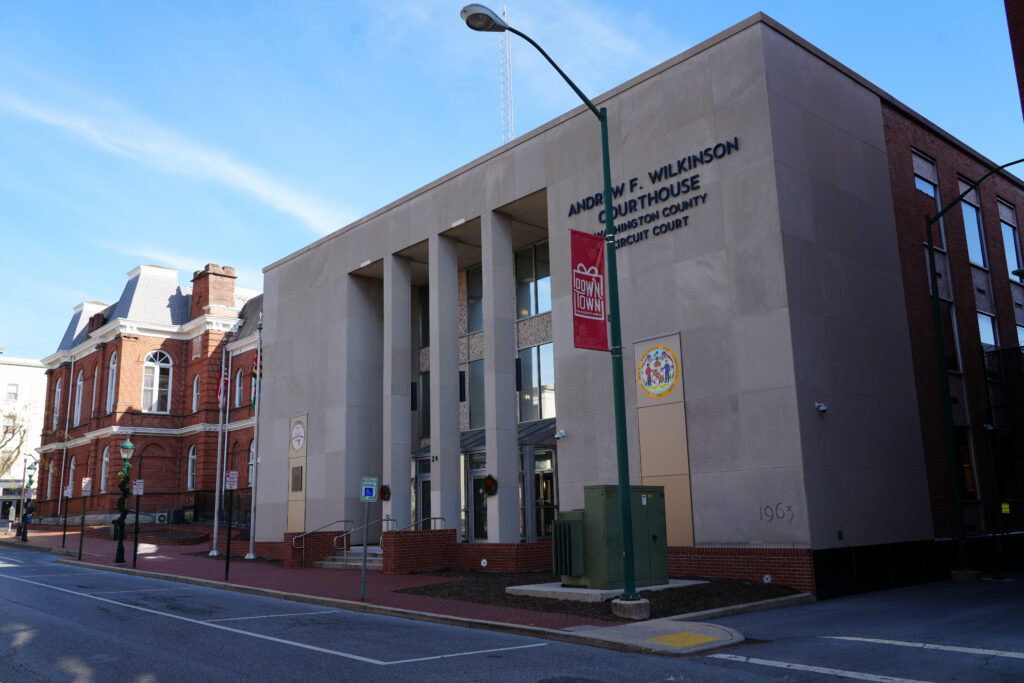
HAGERSTOWN – City officials are wrestling with difficult decisions as they prepare to finalize Hagerstown’s $16.4 million fiscal year 2026 budget. During the May 6 work session, the mayor and city council examined the general fund’s final state, explored budget cut options and debated the implications of a state-imposed tax exemption expected to cost the city $375,000 in lost revenue.
Finance Director Michelle Hepburn presented the latest version of the budget, which includes revised administrative fees, personnel cost adjustments and operational allocations. Unless the council identifies specific areas for reductions, the proposed general fund is considered complete and ready for a formal introduction ahead of a final vote by the end of the month.
Tax increase, revenue loss, and long-term gaps
A key challenge in this year’s budget is how to offset rising expenses, particularly for public safety, without placing undue pressure on taxpayers. Notably, city workers’ health care premiums and base wages, especially in police and fire departments, have significantly increased. Salary and benefit commitments for these departments represent the bulk of the general fund.
The city expects to gain $4 million through property growth and reassessment to close an approximate $6 million gap. That leaves about $2 million unfunded, requiring a 5.5-cent increase to the property tax rate, equating to roughly $110 per year for the average homeowner.
Further complicating the budget is the state legislature’s recent approval of a bill granting full property tax exemption to a new downtown development, believed to be the proposed music venue or stadium. City leaders initially anticipated negotiating a flat payment in lieu of taxes with the business. Instead, the state exemption leaves Hagerstown short $375,000, or more than a penny on the tax rate—an impact many council members described as frustrating and unanticipated.
Councilman Kristin Aleshire called the state decision “benevolent but burdensome,” emphasizing the challenge of absorbing service costs, like police and fire support for events at the venue, without receiving revenue from them.
Event spending under scrutiny
One proposed area for cuts sparked heated debate: community events. The city currently budgets about $361,400 for events such as the Fourth of July celebration, Christmas lighting, the City Park Fall Fest and the downtown music series. However, most of that expense is offset by $325,000 in hotel/motel tax revenue, which can legally only be used for tourism-related or recreational programming.
Some council members firmly opposed reducing events, arguing they generate tourism, enhance quality of life and foster civic pride – goals outlined in the city’s strategic plan. Others, like Finance Director Michelle Hepburn, called for scaling back the number of events to prioritize core services like public safety.
“I’m not just picking on events,” Hepburn said. “But residents want to know why their property tax bills are going up. It’s our job to ask if every dollar spent is the right investment.”
Community Engagement Manager Brittney Arizmendi stated that canceling events would halt the momentum Hagerstown has built in recent years. “We support over 20 outside organizations that bring events downtown through our grant programs. Eliminating funding would shut many of those down,” she said.
Public Amenities and Service Reductions on the Table
The council also reviewed other potential areas for savings, though most offered only modest taxpayer relief:
- Closing the public swimming pool would save about $250,000, roughly $9 per taxpayer.
- Shutting down the train museum or Hager House would each save a few dollars per household.
- Reducing code enforcement funding – used to abate blighted properties – would save $177,000, but at the cost of visible neighborhood cleanup and safety.
City staff members cautioned that many proposed cuts are one-time savings that risk creating more profound deficits next year. For example, delaying using Invest Hagerstown incentive funds would only defer the expense, not eliminate it. Reductions to the Capital Improvement Program have already dropped the city’s investment from $30 million to $14 million, leaving limited room for further trimming without impacting infrastructure or equipment replacement.
What’s next?
In addition to the general fund, the city’s review process includes projections and capital projects across several utility and enterprise funds:
- Electric, Water, Wastewater, Parking, and Stormwater funds – Five-year projections and capital plans through 2030 are under review, and continued discussion is expected in mid-May.
- Major capital improvement items, such as water system upgrades and stormwater infrastructure, will be discussed further between May 13 and 20.
Council members urged that any tax increases be explained clearly to residents, breaking down how much they cost and what services they support.
The FY 2026 budget must be finalized and adopted by the council before May 31. The proposed tax rate and budget figures will be introduced at the next meeting, followed by a public hearing on May 20 and a potential vote thereafter.
For more information on the FY 2026 budget and other local developments, readers may visit the city’s website.