
Editor’s note: Robb Helfrick will be preparing a three-part series to run every Saturday, starting today, on the local tools and help available during these transitions.
Humans are the only known earthly species aware of their mortality. Accepting this fact doesn’t prevent people from the joyous pursuits of living, nor does it diminish their accomplishments in others’ eyes when their lives eventually end.
However, this lifelong awareness makes death’s reality impossible to ignore. The certainty of a finite life causes humans to consider their departure date and ponder what comes next. An ancient philosopher once said, “Death, like birth, is the secret of nature.” This thinking emphasizes the enduring quest to understand life’s greatest mystery.
The late actor and filmmaker Orson Welles once voiced his opinion about life: “We are born alone, we live alone, we die alone. Only through our love and friendship can we create the illusion for a moment that we’re not alone.” This fatalistic viewpoint may have held some validity during earlier human history. Still, Welle’s positive attitude about love and friendship will always ring true since they strengthen all lives.
In today’s world, with advancements in medical science, an abundance of helpful organizations and the tireless devotion of caring professionals, no person has to face the trials of birth or everyday living alone. That same truth applies to humans when they die.
A closer examination reveals how these valuable resources guide area residents during the transition from life to death. These entities soften the blow of an inevitable force, both for people nearing life’s final destination and for the grieving who are left behind.
The uncertainty surrounding death – its timing and its cause – can create anxiety for each individual’s outcome and also for their loved ones’ fate. Sometimes, death is sudden and unpredictable. In other instances, it inches toward society’s most senior members before ultimately arriving at their doorsteps. For the less fortunate, death’s reality can materialize like sudden storm clouds after the diagnosis of a terminal illness.
In the latter two instances, individuals and their families often have time to prepare for an upcoming death. Putting a plan in motion comforts the dying when the quality of their life is more important than the quantity of time remaining.
One soothing method practiced regularly is hospice care. This service typically begins when death is imminent within six months, after medical treatment has shifted from seeking a cure to creating the most comfortable conditions for the dying. However, hospice doesn’t always require a short timeline. Critical services and care are available to individuals who meet defined criteria, no matter how much time they have remaining.
Hospice care doesn’t hasten death, nor does it prolong life. This service allows an illness to take its natural course while providing an end-of-life experience for each individual that is as pain-free as possible. A hospice program typically involves essential services such as regular visits from a healthcare professional, medication to relieve symptoms, necessary medical equipment, targeted therapy, short-term housing for the dying (which often provides caregivers needed rest) and concluding with grief counseling and bereavement support for families. These benefits are vital tools that ease stress and foster acceptance.
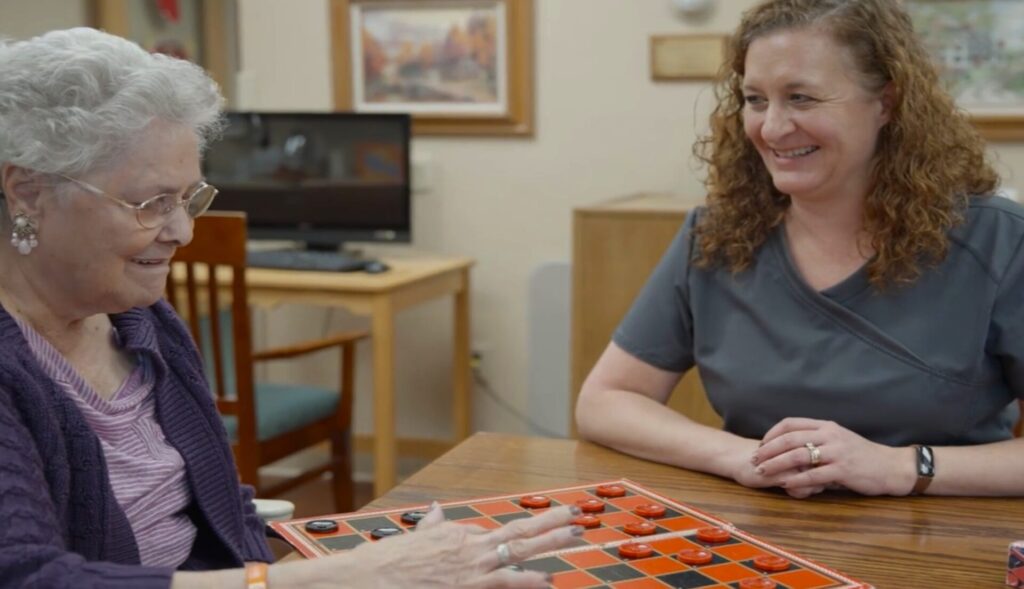
For many people, living out their final years in comfort isn’t possible at home. A beneficial option is an assisted living or other end-of-life residency program. These specialized facilities offer a variety of living arrangements and services. Quincy Village in Franklin County is one such resource.

The campus sits in a beautiful pastoral setting within its namesake community. Once an orphanage site many years ago, Quincy Village has a tradition of caring for people and their families. The community provides affordable senior independent living options for people over 55, assisted living, memory care, skilled nursing and end-of-life comfort care.
The facility is owned and managed by a faith-based organization affiliated with the Presbyterian Church. While that denomination is a guiding force behind the quality care they provide, people of all faiths live at Quincy Village (presbyterianseniorliving.org/quincy-village), and the staff collaborates with other local churches that promote various religious doctrines.
Heather Coy is Quincy’s Heath Center Administrator and has spent over 30 years in her field. “We’re respectful of our resident’s needs and strive to create the right plan,” Coy said. Quincy Village has 200 staff members working on its campus, and it offers living options such as cottages and a 94-bed health center.

Carrie Cornell is a social worker at Quincy Village. She explained their programs are tailored to each individual’s care, based on specific requirements after a detailed assessment. “Comfort is our goal,” Cornell said. She works with residents to evaluate dietary and emotional needs, to work within family dynamics and to ensure effective communication among everyone involved. “Working with people and helping them through these challenges is very satisfying,” Cornell said.
Both Coy and Cornell often mentioned the words comfort and compassion in their comments, as these dual ideals are the bedrock of end-of-life care. The etymology of these two words centers on concepts like strength, encouragement and sympathy. These Quincy staff members said they experienced an innate connection to their profession, pulled toward fulfilling these important services that benefit the entire community. “Everybody has a calling,” Coy said.
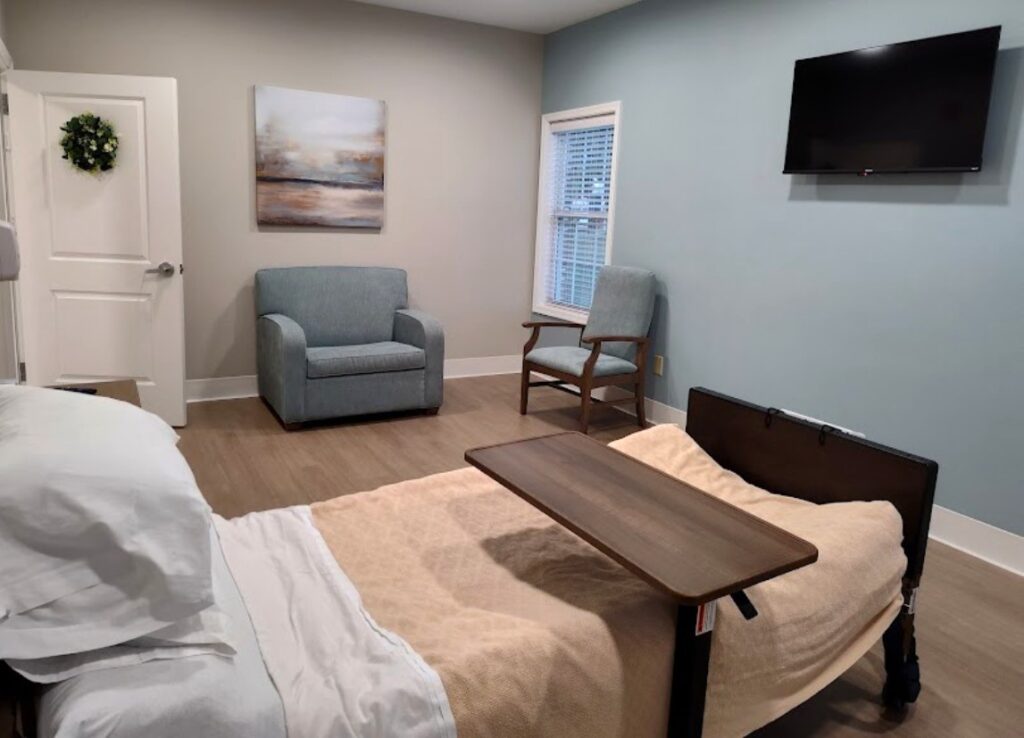
In Chambersburg, Mercy House has a specialized approach to end-of-life care. This newer facility, which opened in November 2023, has 10 homey bedrooms for its residents, along with a living and dining room, a children’s area, a family lounge and a reflection room.
A staff of care professionals “focus on the dignity and quality of life during its final stages,” said Jody Plasterer, personal care administrator. A typical one-to-two-week stay at this facility (mercyhouseofchambersburg.org) is a shorter duration than most near-death residency situations but provides the same professional care. Mercy House is a non-profit organization, not a hospice entity. “We’ve created a space that feels like a home,” Plasterer said.
Mercy House offers 24-hour visitation/support and chairs that pull out into beds. These conditions promote a peaceful atmosphere where “family can be just family” while the staff manages the practical needs of residents who can’t be cared for in their homes.
Miranda Keyes, an LPN and house manager at Mercy House, said that death doesn’t always have to be a somber occasion or full of unknowns. “It can be light, in presumably a dark time. It can be an intimate time of reflection and reminiscing. It can be moments of peace, acceptance and serenity.”
Within the framework of any end-of-life program, devoted professionals are key assets with their specialized skills and extensive educations. They excel at the one-on-one contact required to comfort people who have entered the final stage of their lives.
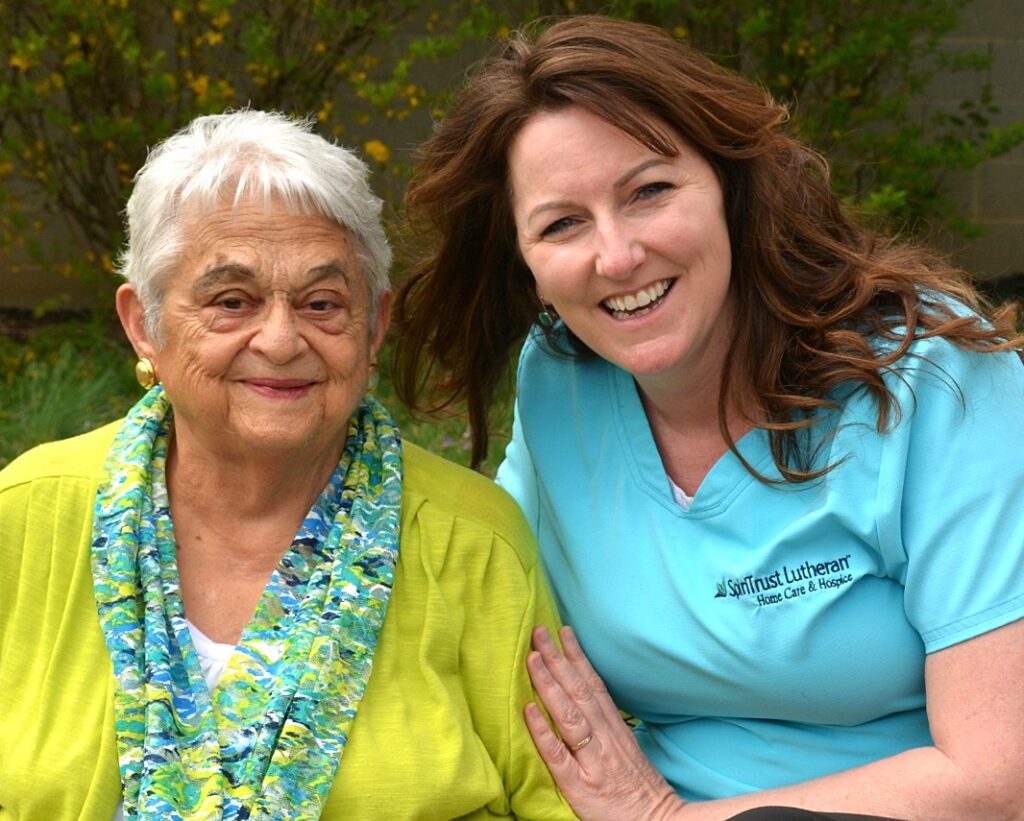
Lisa Beaver is a case worker and a nurse clinical liaison for SpiriTrust, a Life Plan Community and hospice service based in Chambersburg. Like Quincy Village, SpiriTrust (http://seniorliving.spitrustlutheran.org) is a faith-based entity, but this organization is affiliated with the Lutheran Church.
Beaver has a strong clinical background as an LPN and RN with 30 years of healthcare experience, 25 of those years specializing in hospice care. She is also known for her empathetic personality, which complements her education. “I’m very passionate about what I do,” she said. Beaver traces her career inspiration back to her grandfather’s death many decades earlier.
During her long career, Beaver has noticed continuing developments in hospice care, including advancements in medicine and mental health care that have improved services. Today, that care is also more flexible. “We serve patients no matter where they live.” Beaver regularly visits private homes, facilities like Quincy Village and nursing homes.
Beaver said some people express fear of the dying process more than death itself. Hospice care eases those concerns through extended communication, as caregivers like her spend quality time with patients and learn about their unique life histories. “It’s been a rewarding career,” Beaver said.
As a person’s life nears its conclusion, many other resources come into play, ones that host after-death services and help fulfill the needs of the dying and their families. In Waynesboro, places such as Grove-Bowersox Funeral Home and Green Hill Cemetery offer planning and logistics for funeral services and places for eternal rest. This assistance helps people make important decisions that not only ease the minds of the dying but assure comfort for those who survive beyond their loved ones.
Most professionals, from hospice workers to funeral directors, suggest the wise practices of open communication and meticulous planning. These proactive measures alleviate the burden of making last-minute choices during stressful situations. “The earlier hospice gets involved with a person’s care, we see better outcomes for them and their families,” Beaver said.
No human must die alone. By creating comfort through compassion, these vital local resources help bridge the inevitable gap between life and death. One thankful family member, whose father passed through Mercy House during his final days, said: “They guided us through the transition with grace, helping us create meaningful memories.”