Editor’s note: Robb Helfrick has preparied a three-part series to run every Saturday, starting March 29 on the local tools and help available during these transitions.
When a human life ends, a solemn procession of rituals, ceremonies, gatherings and services commences. These events honor the deceased’s pre-conceived wishes, celebrate a well-lived life and soothe grieving family and friends. The aspects of this journey are as varied as the unique personalities and past lives of the departed, combined with the shared religious beliefs and social customs of each family involved.
The circumstances of a death often dictate immediate actions. In the case of a sudden demise, the people left behind are traumatized, and they place their immediate trust in professionals who have witnessed that unforeseen tragedy before. Fortunately, in most situations, individuals and their loved ones have time to prepare for an inevitable passing.
When a sudden medical emergency or cataclysmic event results in a death, first responders, healthcare professionals and clergy are often the first people called to reveal sad news to a loved one. They rely upon their professional and spiritual training and innate compassion to ease the sudden pain of a shocked spouse, sibling, daughter or son.
For the dying and their families graced with a small blessing of foresight, creating funeral or other final plans doesn’t have to be a morbid chore. Making advanced arrangements eases uncertainty and promotes open communication between family members, providing individuals with the best opportunity to achieve their final wishes.
Once a death occurs, an obituary is a standard announcement for most departed individuals. However, this format has changed during the digital and social media era. In prior decades, local newspapers published free obituaries. That written memorial’s structure usually contained four parts: a public death announcement, a short biography of the person, a ‘survived by’ section and details of funeral arrangements.
Today, with a decline in local print media, online obituaries are the norm. Most newspapers now charge a fee for death notices (in print and online), and like a classified ad, the cost is formulated on a per-word basis, or for inserting a photograph. However, many news sources (localnews1.org is one example) provide free access to obituaries as a community service to readers.
Many families often skip traditional media and use their chosen funeral home to announce a loved one’s death. These obituaries are found online with public options for recording personal tributes. Family and friends supplement this practice by posting remembrances on social media outlets like Facebook.
Another growing trend is a “Celebration of Life” tailored to the unique aspects of each person’s lifetime. This memorial can take many forms, from formal indoor functions to casual outdoor picnics. Events like these often highlight a person’s artistic talents, fervent hobbies, business expertise, or take place at a favorite park or destination with a specific theme.
For a traditional funeral, the Grove-Bowersox Funeral Home has a long history of conducting professional services tailored to the deceased’s and family’s wishes. The business started in 1887, and the Grove family managed it for over a century. In 1951, they built a handsome stone structure on South Broad Street in Waynesboro, now used as the current funeral home.
The Bowersox family bought the company in 1990 (bowersoxfuneralhomes.com), and Jeremy Bowersox, a second-generation family member, currently leads the firm. The Miller-Bowersox Funeral Home in Greencastle is the company’s second property.
These Bowersox locations strive to create services that honor the unique aspects of each life celebrated. These extra touches include personalized displays of photographs, memorabilia, and military uniforms. Distinctive customs from a person’s faith, family, ethnic group or fraternal organization are integrated into funeral services. When combined with the staff’s compassion, these elements create a warm atmosphere for hosting the departed person’s family and friends.
Many funerals involve two ceremonies. The first step is a viewing, typically held a few days before the burial service. The viewing is an opportunity for the living to pay a proper tribute to the deceased and their families. For casual acquaintances, this service allows a brief yet respectful appearance. For family and closer friends, a viewing provides a more profound experience, providing needed closure during a heartfelt and often tearful goodbye.

During a viewing or other funeral service, many local organizations and businesses assist with the traditions and logistics that help guide the deceased into the next world. Churches are spiritual partners during dying and death transitions. These religious faiths, with doctrines and rituals built over centuries, offer divine guidance during traumatic and uncertain times.
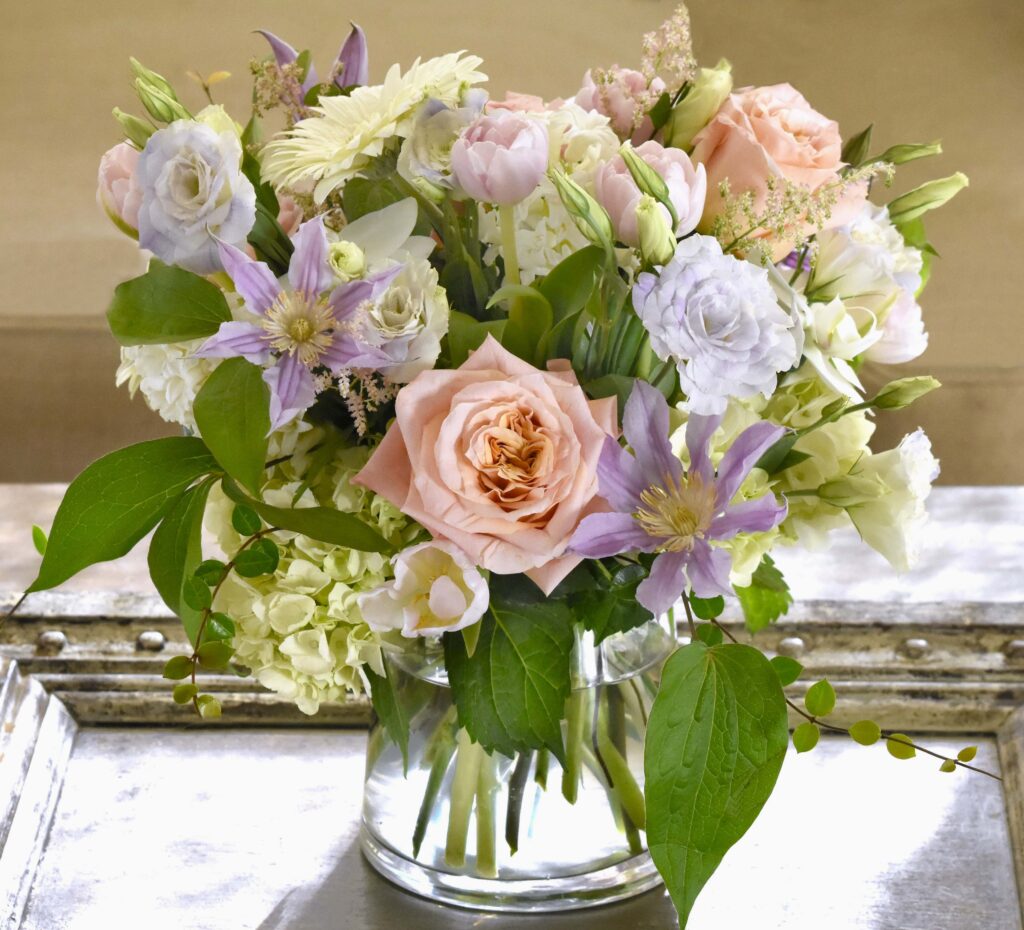
The businesses and individuals that assist in the funeral process range from florists to musicians to caterers. Eichholz Flowers (eichholzflowers.com) is a family-run Waynesboro business in operation since 1894. Eichholz is known for lovely floral arrangements and gift baskets designed to bring joy and peace to local customers.
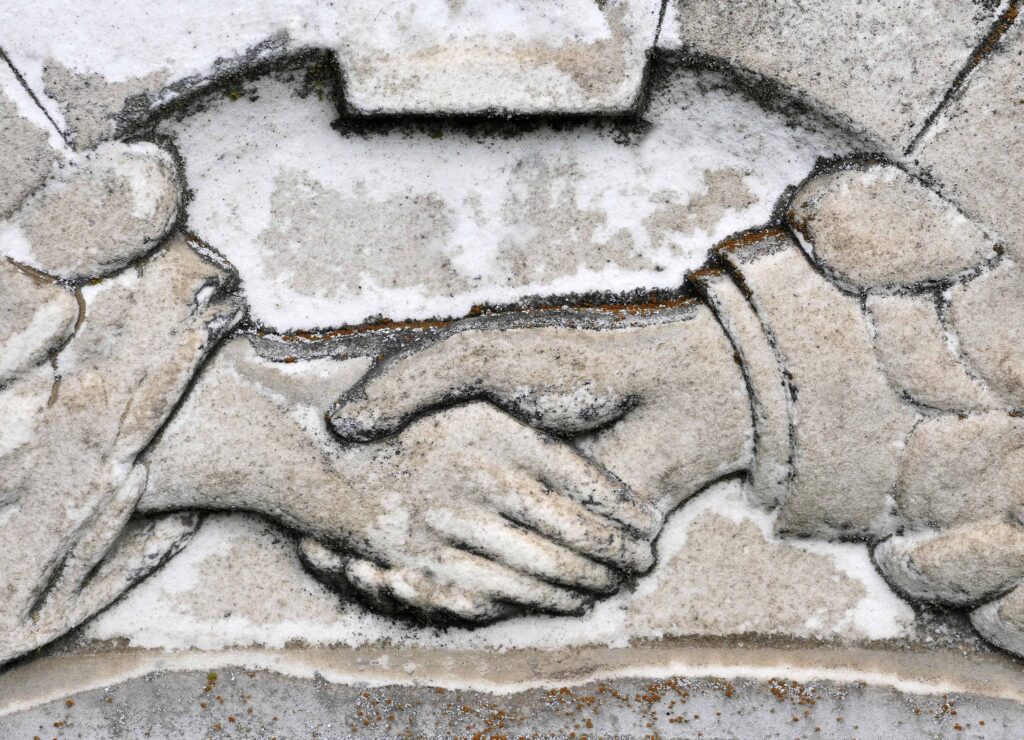
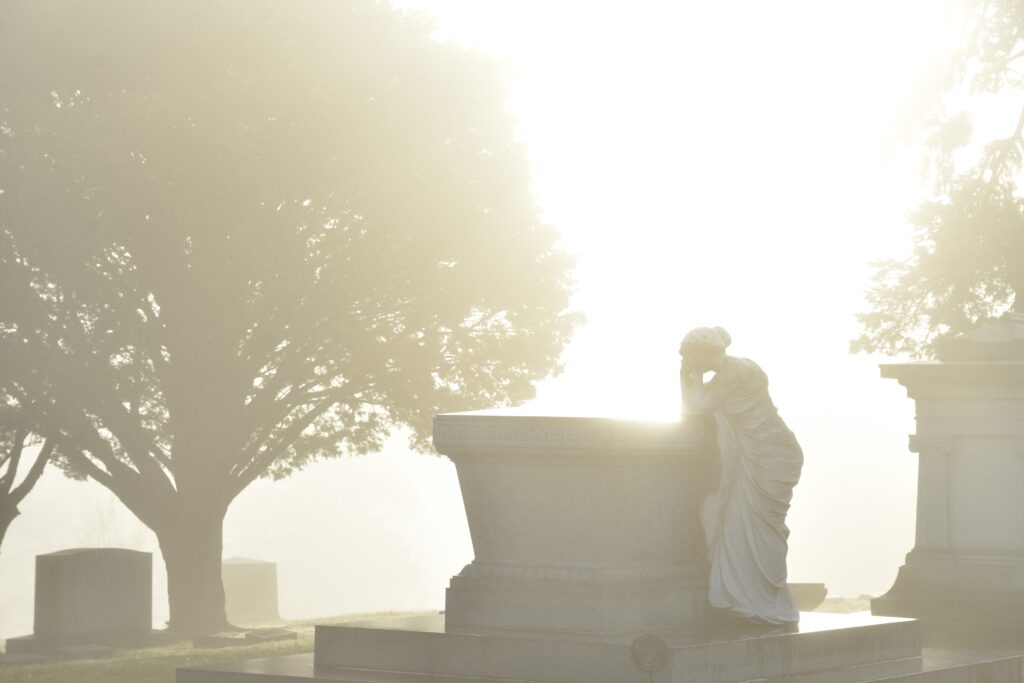
For a final resting place, Green Hill Cemetery is considered one of the region’s finest burial grounds. The cemetery originated in 1873 and celebrated its 150th anniversary in 2023 with several memorable ceremonies, including a summer solstice celebration. Todd Dorsett is the cemetery’s superintendent. When asked why Green Hill has achieved its notable reputation, he said: “The trees, the architecture, all the history found here makes this an enchanting place.”
Within the serene 65-acre grounds, curving lanes meander underneath large trees and pass by artistic monuments and vintage grave markers, in an excellent example of a 19th-century garden cemetery. Over 17,000 individuals rest at Green Hill. These interments include Waynesboro’s most prominent past citizens, such as industrial giants named Frick, Geiser and Landis.
A dedicated staff maintains Green Hill’s manicured grounds. “People that work here love it,” Dorsett said. When selecting a burial site, individuals typically look for pleasing visual aesthetics. Dorsett also credits Green Hill’s (greenhillcemetery.net) seven-member board of directors’ leadership as a key resource for preserving this cemetery’s parklike qualities.
As society changes over time, new traditions and practices have emerged. These personalized options celebrate individual tastes and belief systems. These end-of-life choices are varied, but the first decision faced, when humans contemplate mortality, is how to handle their bodily remains.
While traditional burials are still common, cremation has become a leading alternative offering distinct advantages. The first is the flexibility cremation gives survivors in scheduling funeral services. With loved ones often living in separate sections of the country, cremation allows a longer timeframe for celebrating that life, sometimes in a more pleasing seasonal atmosphere if a person passes during the winter.
A second benefit is cost reduction. Cremation typically offers savings from traditional funeral and burial expenses, with no embalming, caske, and in some cases, no grave needed. Finally, once a body is converted to cremains, a person’s vestige can be kept in an urn by a family member, scattered in a favorite earthly location or buried at a traditional gravesite. The phrase “ashes to ashes, dust to dust” reflects the cycle of life, and some individuals don’t want to occupy precious earthly space after they’re gone.
A recent National Funeral Directors Association report stated the projected national cremation rate was 56 percent, compared to 37 percent for burials. Recognizing this trend, Green Hill Cemetery is designing a new specialized cremation garden as a second alternative to an existing amenity. Grove-Bowersox Funeral Home offers one of only three onsite crematories in Franklin County.
Another alternative is a “green burial.” This option is a return to bygone customs. Prior to the American Civil War, before embalming and present-day burial practices came into fashion, most people used simple burial methods like this.
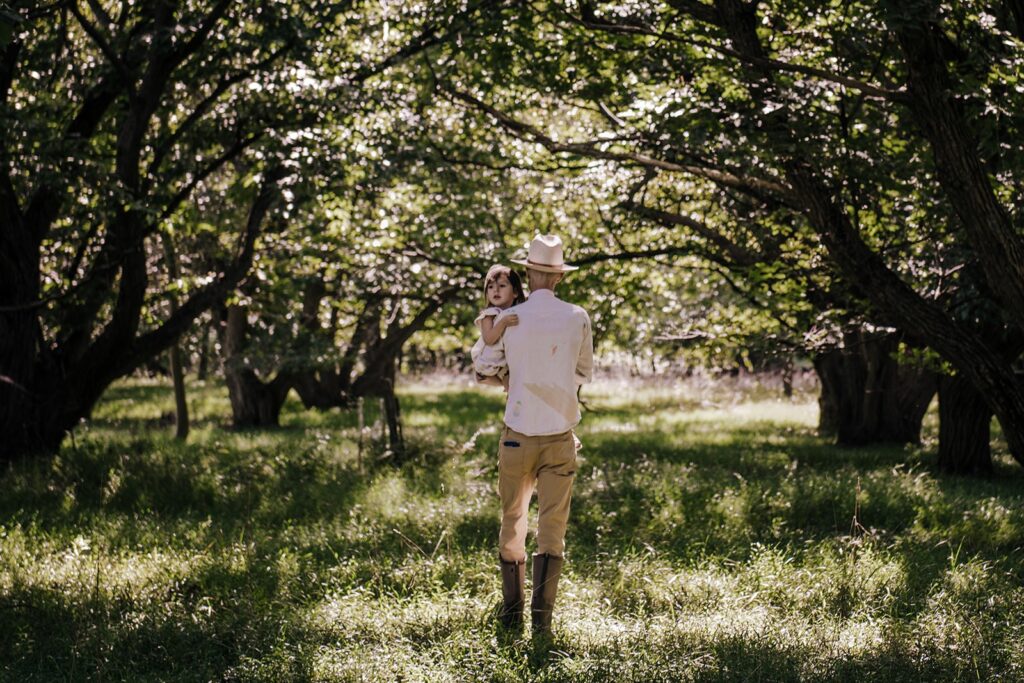
Within a 33-acre property outside Frederick, Maryland, Morris Orchard Natural Burial is a quiet place with flourishing walnut, chestnut and pecan trees. This landscape retains its natural aura, with no raised headstones marking gravesites. “We’ve created a peaceful place where families can take their time,” Morris Orchard (morrisorchardnaturalburial.com) Steward Michael Judd said. Visitors enjoy meditative walks among the trees and enjoy the scenic surroundings.
With a green burial, a body is placed inside a biodegradable vessel or a simple shroud, and it is interred humbly but with dignity. Human remains return to the earth naturally during this process, minimizing their environmental impact and contributing vital nutrients to the soil, as the deceased’s core elements help sustain a thriving ecosystem.
Other options for individuals with altruistic intentions include organ donation and endowing their bodies to medical science. The first method is easy to arrange. Pennsylvania drivers may choose organ donation when they renew their license or can sign up online using their current driver’s ID number.
Donating remains for medical research requires more planning. An appropriate starting place is the Humanity Gifts Registry (hgrpa.org), which explains the organization’s role (dating to 1883) in helping individuals make a personal donation. The site provides relevant facts and forms with other logistical instructions and contact information. The HGRPA website also publishes its list of member medical institutions in Pennsylvania.
Once funeral services and formal goodbyes end, more casual gatherings serve as a social environment for the grieving process. Local churches, private homes and public venues host these get-togethers. With the benefit of temporary stress relief, those assemblies offer mourners a chance to catch their collective breath and seek relief through the love and support given by family and friends.
Comfort food is a popular ingredient for these informal gatherings. Churches often host these post-funeral congregations, but local social clubs with commercial kitchens, like Waynesboro’s American Legion, also assist with modern-day wakes. At these functions, tender human emotions manifest with hugs, kisses, shared laughter and retelling of old stories.
For some family members, responsibilities to the deceased require carrying out final legal acts and charitable wishes, as estate executors file necessary documents or dispense possessions. As properties are often sold or passed to a relative, personal mementos are sifted and sorted, offering glimpses into an unknown or forgotten aspect of a loved one’s life.
Often, a person’s posthumous charity creates a significant community impact. When Emma Geiser Nicodemus passed a half-century ago, she bequeathed her entire 107-acre estate to Waynesboro, and it became the educational and recreational gem called Renfrew. Other people make lesser-known yet vital contributions, gifts that benefit local charities and organizations long past their lifetimes.
During the weeks and months following a funeral or celebration of life, families and friends continue grieving. The mourning process takes many forms, similar to death and the services that mark its finality. However, with no ticking clock looming overhead, individuals can develop personal timetables for this challenging journey. A loved one’s death is no longer an immediate crisis, it is now a new life chapter requiring adaptation and fostering acceptance.
After a person dies, survivors press forward with their lives. These comforting local organizations and compassionate individuals help prepare a path for a smoother transition. A philosophical idiom reminds that “the earth belongs to the living.” However, unlike an individual’s final date etched on a headstone, the undying devotion and love the living feel for these departed souls has no expiration date.