HAGERSTOWN, Md. — The city of Hagerstown is well known for its storied history of minor league baseball, a history that dates back to the late 1890s and includes the Hagerstown Suns and, more recently, the Hagerstown Flying Boxcars. But it was on a warm summer day in 1950 when a young Black man stepped up to the plate and changed Hagerstown baseball history forever.
The day that changed history
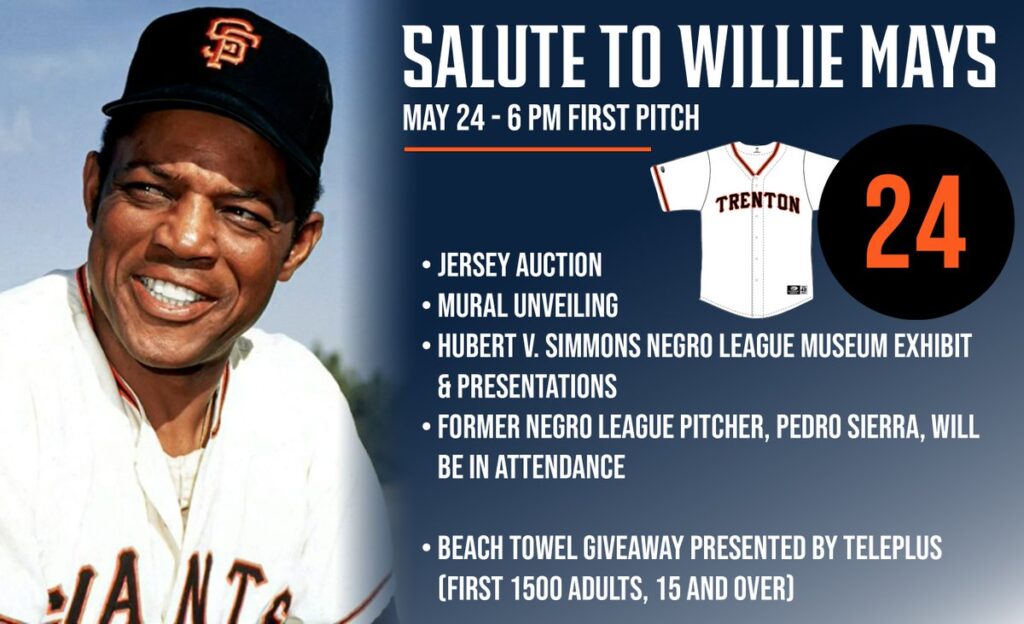
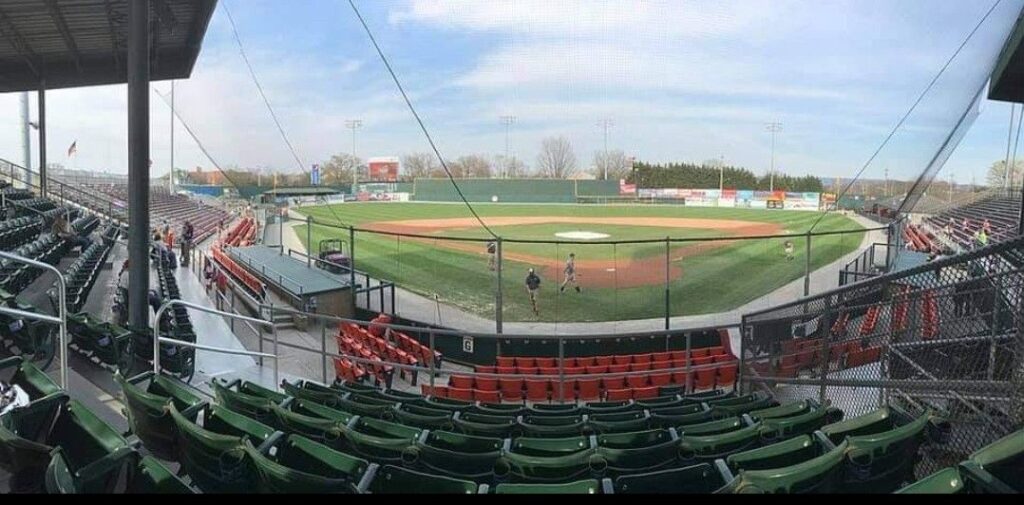
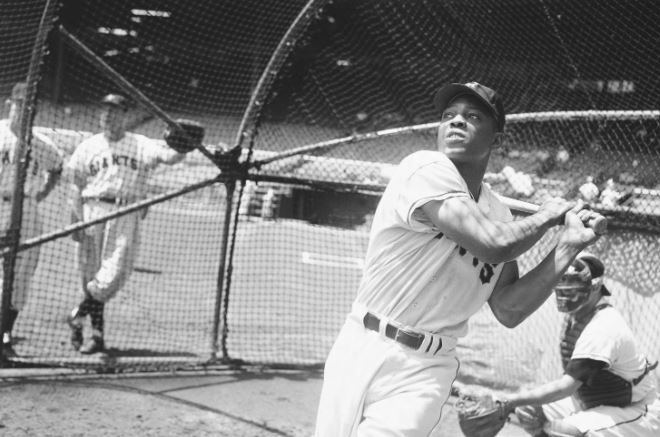
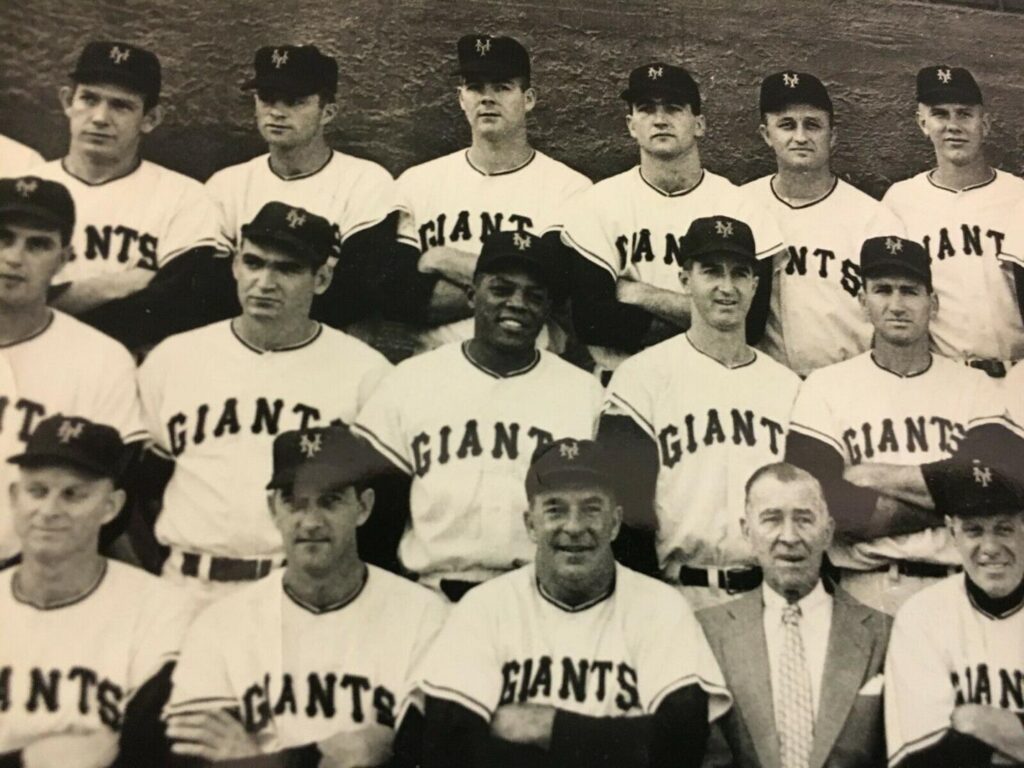
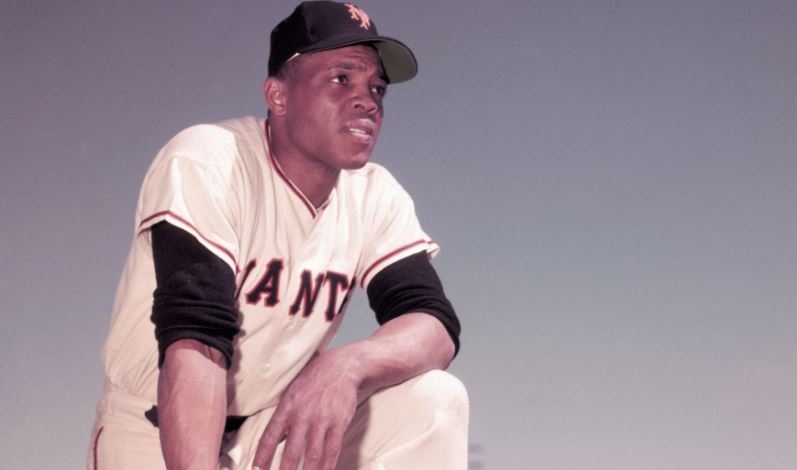
On June 24, 1950, the Hagerstown Braves hosted the Trenton Giants at Municipal Stadium. Playing for the Giants was a 19-year-old prodigy named Willie Mays, who was appearing in his first affiliated professional game. At the time, no one knew that this young kid from Alabama was going to change the trajectory of America’s favorite pastime by becoming one of the best ball players in the history of the sport. He was in the spotlight for a different reason.
Segregation at bat
On that day, Willie Mays became the first Black player to compete in a Class B Interstate League, an achievement that was not celebrated or accepted by all. Mays faced great hardships during his visit. He was forced to stay in a separate hotel from the rest of his teammates because “blacks were not allowed.” He was assailed with racial slurs from fans but to his credit, the young player stood proud and did his job.
Mays breaks the barrier and rises to the occasion
Despite facing heavy criticism and racial prejudice, Mays persevered. After spending the remainder of the 1950 season with Trenton, Mays quickly climbed through the Giants’ organization. He made his major league debut with New York in 1951 and was named the National League Rookie of the Year. Three years later, he won the National League’s Most Valuable Player award and helped the Giants sweep the Cleveland Indians in the World Series. The young man who four years earlier had been met with such hatred was now a world champion.
A storied career
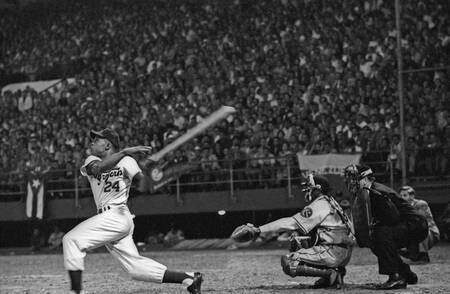
Mays played 21 years with the New York/San Francisco Giants (1951-1972) and one year with the New York Mets (1972-73). In that time, he had 3,293 hits, 660 home runs, 1,909 RBIs and a .301 batting average. He was 24-time all-star player, two-time National League MVP, a 12-time Golde Glove Award winner and the recipient of the Roberto Clemente Award in 1971. In 1979, he was inducted into the National Baseball Hall of Fame. He was also chosen as a member of the Major League Baseball All-Time Team.
A return to Hagerstown
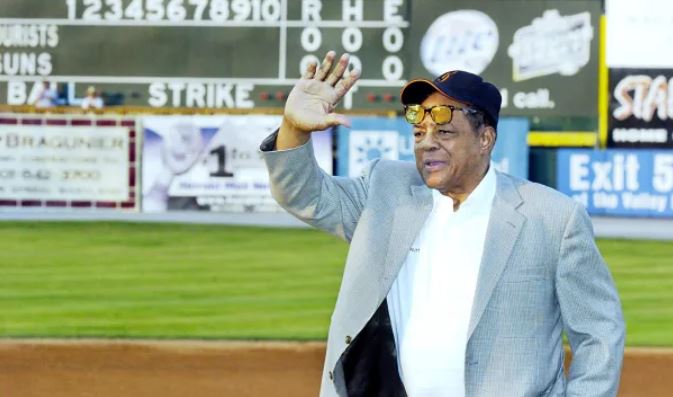
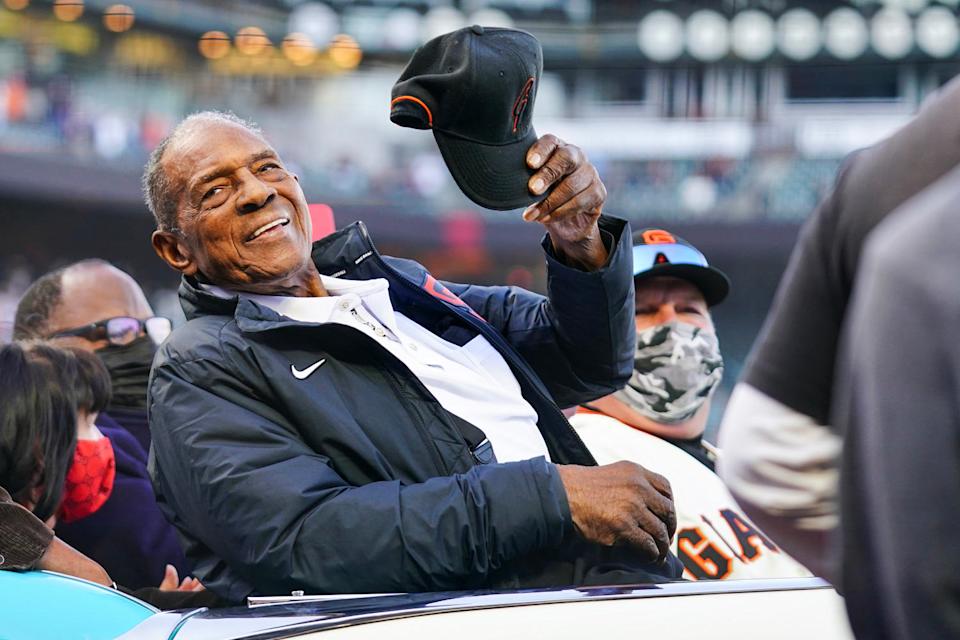
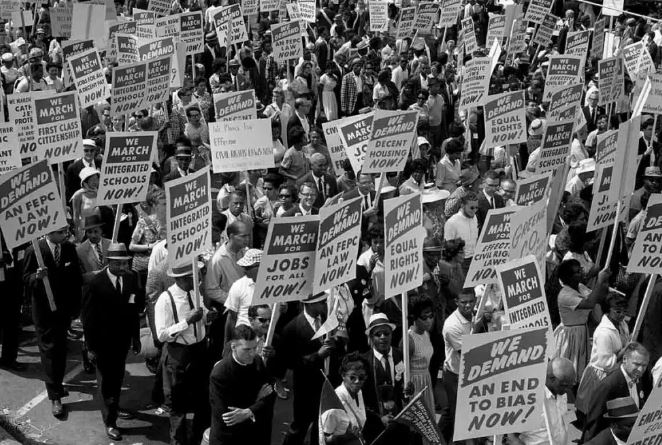
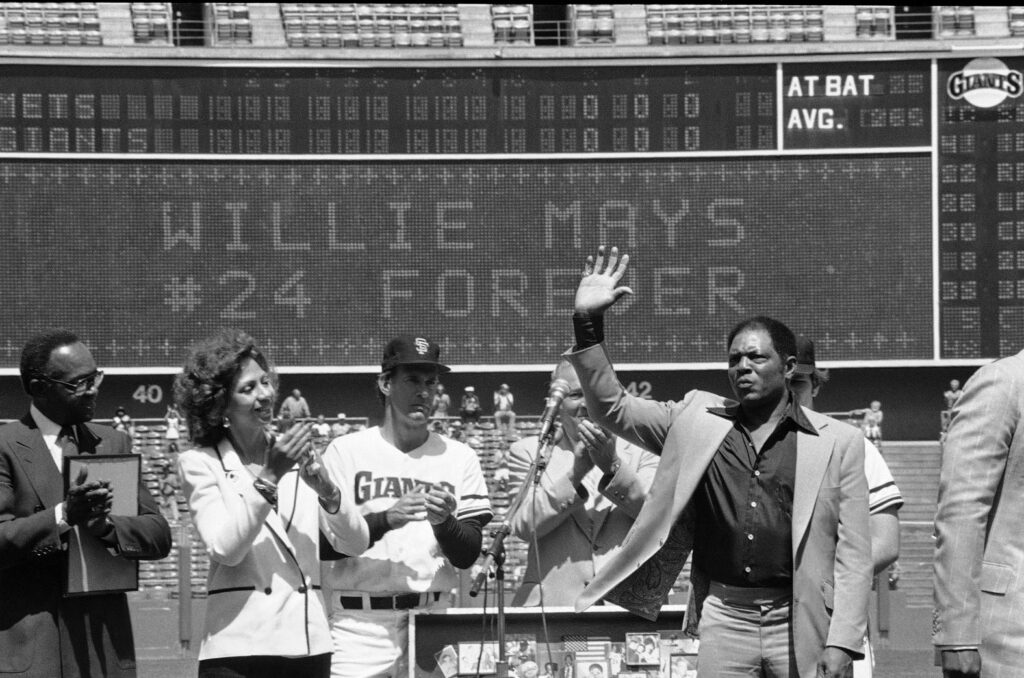
Willie Mays’ first visit to Hagerstown was during a dark time in the nation’s history. Discrimination and segregation had become a heated topic in the news and on the streets in the 1950s. Bigotry and racism seemed to be everywhere. Hagerstown was no exception. Sadly, the ugly face of racism has not disappeared completely from the fabric of society, but steps have been taken to heal the wounds inflicted from the past. In 2004, Mays returned to Hagerstown as a legend and baseball hero. The jeers from the past had now become cheers. He was honored by the city in a ceremony and even threw out the first pitch in the very stadium where his iconic career began.
A part of Hagerstown’s story
Willie Mays never played for a Hagerstown team, but his name will forever be linked to the city for both good and painful reasons. In 2004, Hagerstown honored Mays by retiring his jersey during his return to Municipal Stadium, and the city paid tribute to him again following his death at age 93 on June 18, 2024.
The story of Mays’ beginnings in Hagerstown will always include the segregation and racism he endured. It is a painful chapter in what became one of the greatest careers in baseball history.