As the nation moves closer to its 250th anniversary and celebrate the lives of the brave men and women who served to ensure freedom at great cost, we look back at the heroes of Franklin and Washington counties throughout history.
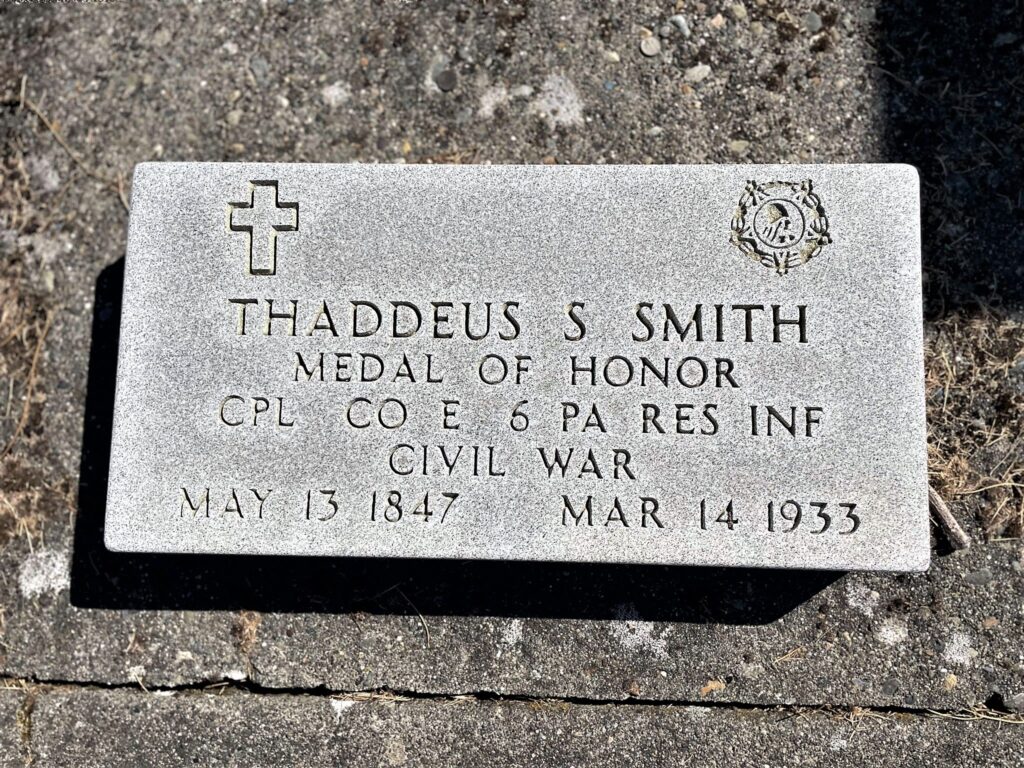
Thaddeus S. Smith, Franklin County’s only Medal of Honor recipient
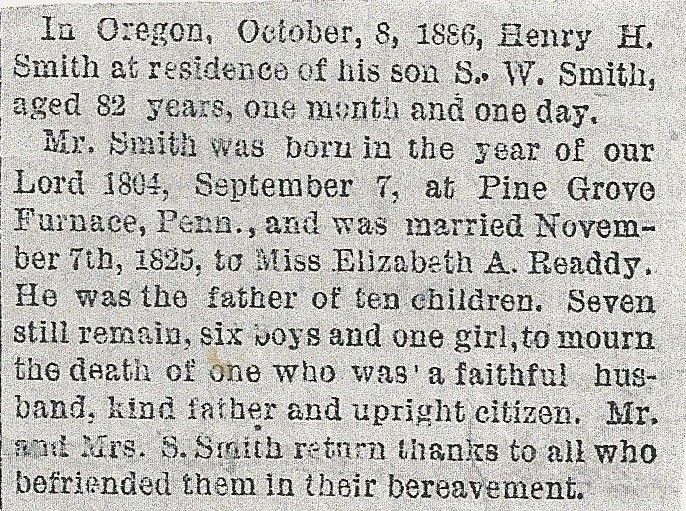
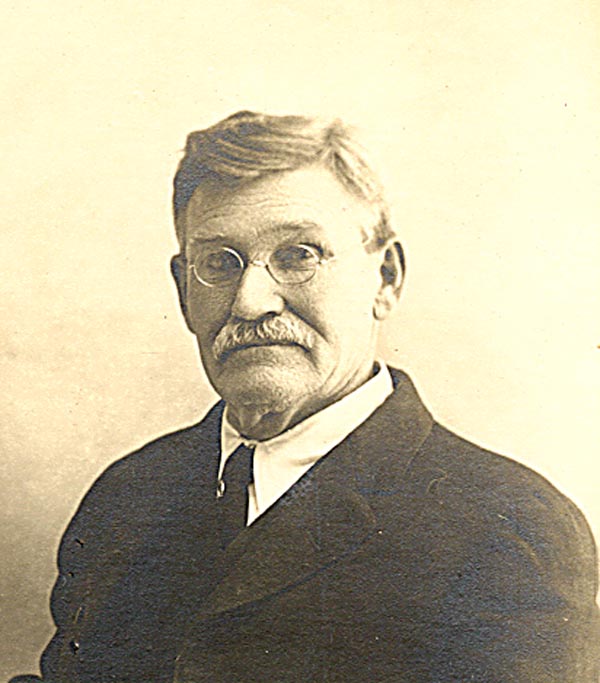
Thaddeus Stevens Smith was born on May 13, 1847, in Cumberland County, in an area that is now part of Franklin County. His parents, Henry (1804-1886) and Elizabeth Smith (1804-1888), had seven children, six boys, John Wesley (1829-1898), George (1831-1913), Henry (1835-1897), William (1838-1907), Samuel (1850-1918), and a girl, Anna (1839-1898). Henry Smith worked as an iron molder most of his life but later sold medicine.
While not much is known about their children’s upbringing or their daily family life, the fact that all seven children and both parents lived well into their 70s and 80s would indicate that the Smith family lived healthy and productive lives.
Off to war
Four out of the six sons of the Smith family would enlist into military service. William; Henry, who went by the nickname “Harry;” John Wesley and Thaddeus all enlisted in April 1861 after the first shots were fired at Fort Sumter on April 12, 1861, and began the American Civil War. William and Harry joined C Company of the 16th Pennsylvania Infantry, while Thaddeus joined E Company of the 6th Pennsylvania Infantry. It is not documented where John Wesley enlisted, but he did achieve the rank of corporal with Company H of the 93rd Pennsylvania Infantry.
All four of the Smith brothers fought valiantly for the Union during their tenure in the Civil War. Harry was even captured by Confederates at the Battle of Carters Woods in June of 1863. After being paroled from captivity, he was promoted to corporal in March 1865. But it was his younger brother Thaddeus, who would make his mark in the history books.
Heroics at the Battle of Gettysburg
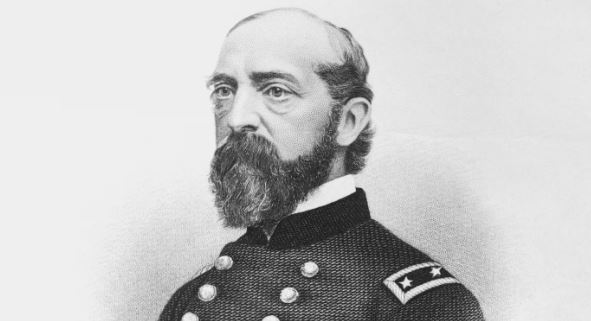
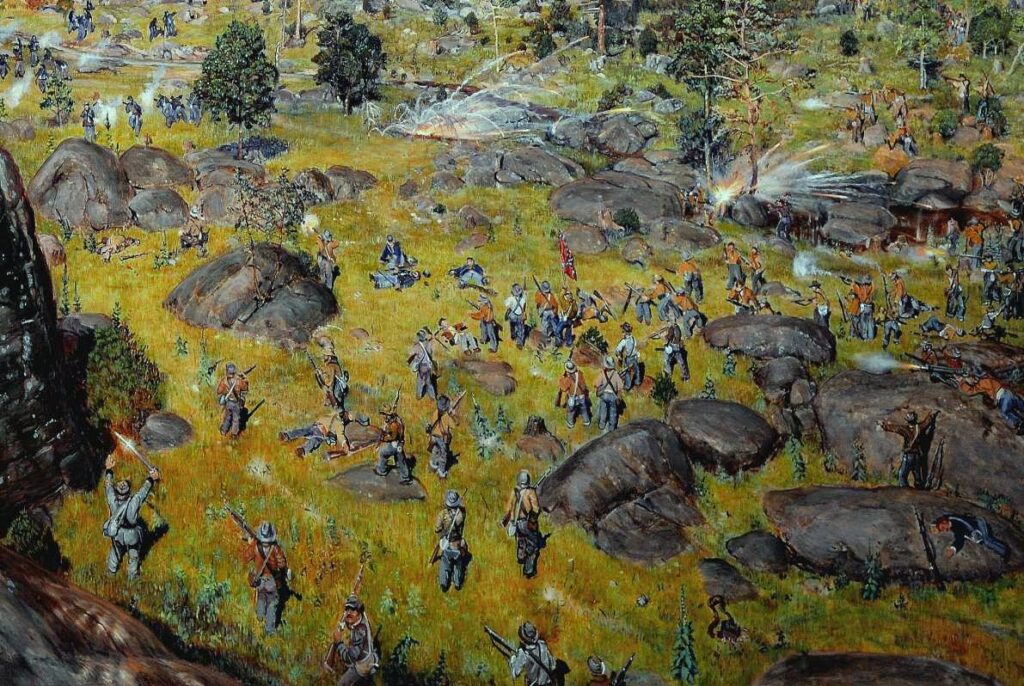
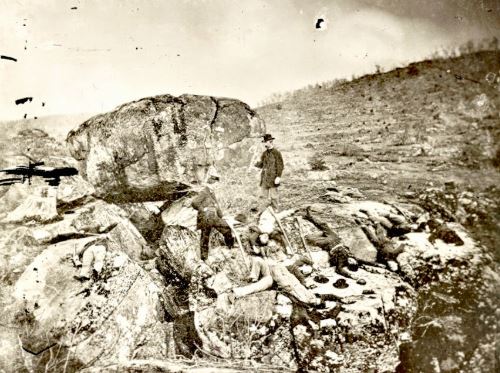
Thaddeus was one of six men who bravely volunteered to storm a log house at Devil’s Den under a barrage of sharpshooter fire. The date was July 2, 1863, and was the second day of fighting at the Battle of Gettysburg. Smith, who was now a corporal with Company E of the 6th Pennsylvania Infantry (35th Pennsylvania Infantry) under Union leader, Maj. Gen. George Meade (1815-1872).
Confederate soldiers were dug in at the log home and in position to flank Meade’s troops while Confederate Lt. Gen. James Longstreet’s (1821-1904) troops pressed the attack and began to overwhelm their opponents. The daring surprise attack by the volunteers, who took control of the log home and held back the Confederates, provided the Union troops with the time they needed for reinforcements to arrive. The heroic charge by Smith and his five compatriots earned them the military’s highest honor, a Congressional Medal of Honor.
Capture and imprisonment at one of the worst prison camps in history
Thaddeus would continue to fight with his regiment after the Battle of Gettysburg. On Aug. 19, 1864, he was captured by Confederate forces at the Battle of Weldon Railroad in Virginia. He was then taken to Camp Sumter, more infamously known as Andersonville.
The Georgia prison was well known as a “camp of death.” Poor living conditions, low rations of food and water and overpopulation made being held at the camp a nightmare for the captured soldiers. At the time of Thaddeus’ arrival there were over 30,000 Union men being kept there. The camp was designed to only accommodate 10,000. The death toll at Andersonville is estimated at over 13,000 souls.
Thaddeus would be held at Andersonville from August 1864 until March 1865, when he was released during a prisoner exchange. His time at the camp would forever impact his life, as would his experience in the war. He had survived countless battles, imprisonment under the harshest conditions, all between the ages of 14 and 17. Thaddeus fought in the Civil War from the beginning until the end in 1865 when he was honorably discharged.
Life went on
After his service to the nation, Thaddeus returned home to Pennsylvania as a man who had seen more in his 18 years than most experience in a lifetime. He became a homesteader under the conditions of the Homestead Act of 1862. He also married Joanna C. Hinkel (1848-1941) and had a daughter named Blanche Joanna Smith (1886-1939).
Thaddeus was awarded his Medal of Honor on May 5, 1900, along with the other five brave men who fought alongside him. The official citation for his award reads:
“Was one of six volunteers who charged upon a log house near the Devil’s Den, where a squad of the enemy’s sharpshooters were sheltered, and compelled their surrender.”
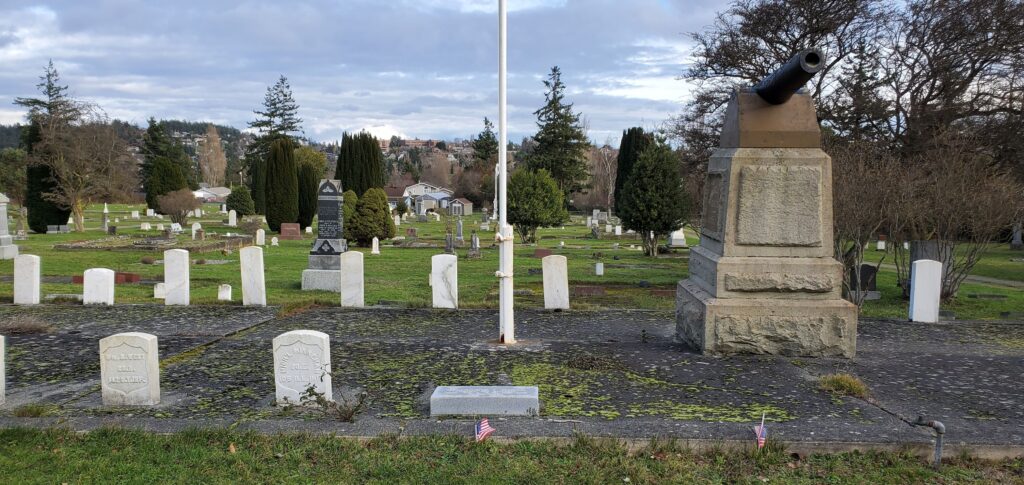
Thaddeus Smith died of natural causes on March 14, 1933. He was 85 years old and was living in Port Townsend, Washington, where he has been laid to rest. Smith’s legacy is not just that of a man of great heroics, but as a man of discipline and drive. He was a journeyman in every sense of the word.
This is part two of a five-part series looking at the lives and accomplishments of the heroes of Franklin and Washington counties.