HAGERSTOWN, Md. — Protecting livestock from disease is a top priority for farmers, and there are some simple tips and tricks to help make the process uncomplicated. The 2026 Almanack devotes a section to highlight some helpful ideas from Penn State dairy educator, Diana Roland.
Keep a visitor log so that you know who has had interactions with the animals and how often.
“Anyone who comes in contact with animals should sign a visitor log. Track the date of visit, visitor name, company and reason for the visit. This can be useful in the event of a disease outbreak to help authorities trace the source of the potential pathogen.”
Follow quarantine protocols for new arrivals and sick animals.
“Quarantine new animals brought to the farm. If new cattle are purchased, they should be quarantined or put in a separate area or pen for 21 days. This also applies to animals returning to the farm after a fair, show, or for breeding. Monitor these animals for any signs of disease.”
“A very ill animal may need immediate attention and veterinary care, which should be a priority. Consult with a veterinarian if needed. Any sick animal should be put in a separate pen to help it recover and prevent the further spread of disease. When feeding or checking animals, tend to the healthy animals first, then the sick animals last, to prevent the spread of pathogens to healthy animals.”
Prevent cross contamination and the spreading of germs by being mindful of clothing and hygiene.
“Wear clean footwear and clothes when working with animals. Even small amounts of debris and manure on footwear can harbor pathogens. Ensure footwear is clean when entering an animal pen. Provide a hose, bucket and brush, or a permanent boot wash station with a sanitizing solution for farm workers or visitors. Some pathogens can reside in the cracks and calluses on hands, even after hands are washed. Offer hand sanitizer, install a hand-washing station or wear disposable gloves for another level of protection against the spread of disease when working with farm animals.”
It is imperative to have a plan to protect livestock and enforce it at all times.
“Develop a basic biosecurity plan. A written plan can help with the continuity of business as well as help protect animal health. Contact your extension office for assistance in writing a biosecurity plan. Effective biosecurity is essential for preventing disease in livestock and cattle. By consistently implementing these steps, farmers can protect their animals, safeguard their operations, and ensure a safe and healthy food supply.”
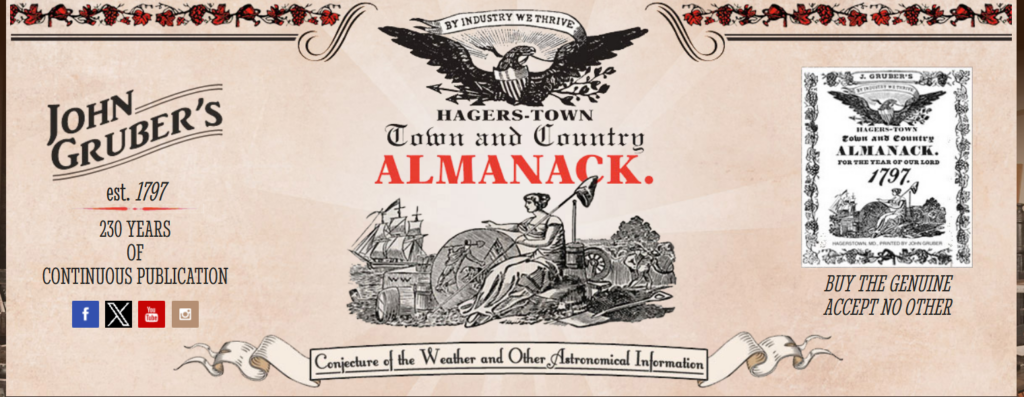
These are just some Biosecurity tips that can be found in the The Hagerstown Town and Country Almanack. LocalNews1 has partnered with The Almanack to bring you a story every Monday taken from current or past editions.
First published in 1797, it’s the second oldest almanac in the United States and has been in continuous publication for 230 years and is the only almanac in the United States still published by the founders’ direct descendants.
For more tips or information about Biosecurity, contact Diana Roland at the Penn State Extension office at 717-809-2194 or visit the website: https://extension.psu.edu/animals-and-livestock/dairy