Serving Franklin, PA and Washington, MD Counties
Serving Franklin County, PA and Washington County, MD

You’re using one of your five free stories.

Don’t miss out on local news. Subscribe today. (First month is just 99¢!)

Storm anxiety and safety

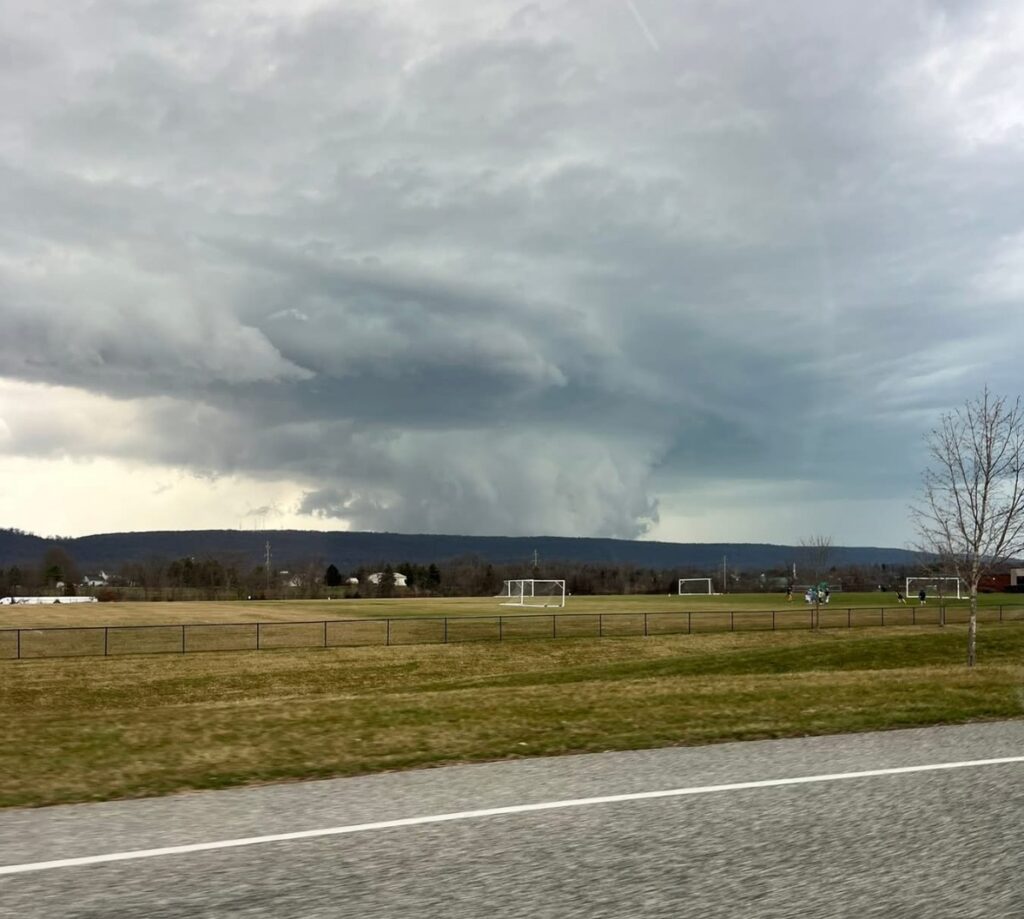
Many residents woke up today feeling a knot in their stomach as forecasters highlighted the risk for severe thunderstorms. For people already living with anxiety or other mental health challenges, talk of tornadoes, damaging winds and hail can make an ordinary workday feel overwhelming. Mental health experts say those reactions are normal and that having a plan, knowing how warnings work and choosing reliable information sources can make a stormy day feel more manageable. All of the weather safety information in this story comes from the National Weather Service at weather.gov.

Fear of storms is common

The National Weather Service notes that many people — including some meteorologists — have struggled with fear of severe weather. That fear often spikes on days when the risk level is elevated, even though Pennsylvania and the broader Northeast deal with severe storms many times a year and most do not cause catastrophic damage. Knowing that others share storm anxiety can ease the sense of isolation, which is especially important for those already coping with generalized anxiety or trauma.

Experts say one of the most helpful first steps is to name what feels most frightening. For some, it is the crash of thunder or flashes of lightning; for others, it is the uncertainty of not knowing if a storm will hit their neighborhood. Once those specific fears are identified, people can work with therapists, family members or trusted friends to create coping strategies tailored to those triggers, such as using headphones, grounding techniques or preplanned check-ins.

Preparation that supports mental health

According to the National Weather Service, planning ahead is one of the most effective ways to reduce storm-related stress. Thinking through where to take shelter, how to receive warnings and how to stay in touch with loved ones can restore a sense of control when the forecast turns threatening. That preparation doubles as a mental health tool, giving anxious minds something concrete and constructive to focus on instead of worst-case scenarios.

Officials recommend choosing a safe room in a well-built home, such as an interior closet or small room on the lowest floor, away from exterior walls, doors and windows. People who live in mobile homes are urged not to shelter there during a tornado and instead make a plan ahead of time to go to a sturdier building or designated community shelter. Families are encouraged to practice getting everyone — including pets — into the chosen safe space on a calm day, so the steps feel more routine and less frantic when storms are on the way.

Building a storm safety toolkit

The National Weather Service urges residents to have at least three ways to receive warnings, such as local television, phone apps, NOAA Weather Radio, outdoor sirens or community notification systems. Relying on multiple channels can ease fears about missing an alert and gives people more confidence that they will have time to act. Many radar apps now show a user’s exact location in relation to a storm, which can help anxious viewers see whether a cell is actually headed toward them or will pass by.

Emergency kits are another tool that supports both physical safety and emotional well-being. Weather officials recommend stocking basic supplies and storing them in or near the safe room, and pet owners are encouraged to prepare go-bags with food, water, medications, leashes, carriers and comfort items. Practicing how long it takes to gather pets and get to shelter can lower anxiety on high-risk days by turning a vague worry into a tested routine.

Managing information overload

On social media, severe weather discussions can quickly tilt toward dramatic language and worst-case projections. For people with storm anxiety, the National Weather Service cautions that a small percentage of unofficial posts may exaggerate threats and increase fear. Instead, officials recommend following a few trusted sources, such as the National Weather Service, local TV meteorologists and emergency management agencies, to avoid information overload.

Limiting the stream of updates can function like a mental health boundary. Experts suggest picking specific times to check the forecast and turning off push alerts from nonessential apps that may ramp up stress. Learning basic geography — including nearby counties, towns and highways — can also help viewers quickly understand whether a storm on TV or radar actually threatens their location, reducing unnecessary worry.

Questions about shelters and timing

Many questions that fuel storm anxiety center on shelter options. The National Weather Service notes that while some communities offer public shelters, many do not, so residents should confirm options in advance with local emergency managers or fire departments. People who rent or live in apartments are encouraged to ask property managers about designated safe spaces and to reach out to nearby friends, family or co-workers if they might need to shelter elsewhere.

Another common concern is deciding when to go to shelter. Forecasters say the answer depends on how far the safe location is from home and whether reaching it requires driving. Officials emphasize that residents do not have to wait for a siren; those who are especially anxious can move to shelter earlier, including when storms are still in a neighboring county, to reduce the pressure of last-minute decisions.

Understanding risk and warnings

National Weather Service statistics show that most storms do not produce tornadoes, and the most violent tornadoes — the EF4 and EF5 events that cause the worst devastation — are exceptionally rare. In Missouri and Kansas, for example, less than a small fraction of tornadoes reach that intensity, and 97% of EF3, EF4 and EF5 tornadoes are preceded by a tornado warning, with an average of 16 minutes of lead time. While local numbers vary, officials say these data illustrate that the warning system is designed to provide time to act, not to surprise residents at the last moment.

Outlooks, watches and warnings also carry different meanings, which can help people calibrate their responses. Severe weather outlooks are often issued days in advance and are intended as heads-up tools rather than guarantees that a dangerous storm will strike a specific neighborhood. Watches are used when conditions are favorable for severe weather in the next several hours, while warnings mean a storm is occurring or imminent in the warned area and require immediate protective action if people are in its path.

When storm stress affects daily life

For some residents, fear of severe weather can grow so strong that it disrupts sleep, work or relationships. The National Weather Service encourages anyone who feels overwhelmed to reach out to friends, family or a mental health professional for support, especially if storm days bring on panic attacks or intrusive thoughts. Coping skills such as deep breathing, grounding exercises, written safety plans and scheduled check-ins with trusted people can complement the practical safety steps outlined in weather guidance.

Officials also remind residents that communities benefit from a robust warning and information network that includes meteorologists, emergency managers and public safety agencies. Severe weather outlooks and training programs, such as free storm spotter classes, are designed not just to protect property but to help people feel more informed and less helpless when skies turn dark. In combination with professional mental health care when needed, those tools can turn a day of dread into one of cautious readiness

Share this:

First 5 stories FREE!

Already a subscriber? Login here.

Click Image For More Info

View All Advertisers

March 2026
M T W T F S S
 1
2345678
9101112131415
16171819202122
23242526272829
3031  

Click Image For More Info

View All Advertisers

Weather Icon
62°

Weather Forecast

Tuesday, March 17
Weather icon
31°F
broken clouds
Wednesday, March 18
Weather icon
33°F
overcast clouds
Thursday, March 19
Weather icon
42°F
overcast clouds
Friday, March 20
Weather icon
52°F
overcast clouds
Saturday, March 21
Weather icon
51°F
few clouds
Please log in to save your location.