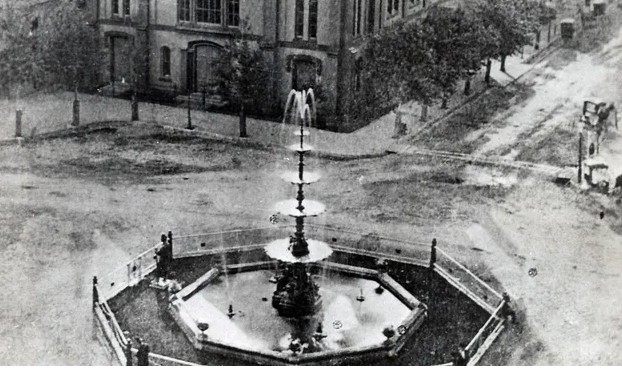
FRANKLIN COUNTY – After the county was christened in 1784, it began to grow with rapid progress. Tradesmen and their families came from all over the new country and many from overseas in Europe to settle down and build their legacies. Sadly, even with the end of the American Revolution, war did not cease.
A second war would start with Britain in 1812, followed by a war with Mexico in 1846. There were still constant threats from Native Americans, and the young country was starting its expansion out west.
While sons, brothers and husbands went off to fight to defend and expand the United States, the remaining family members stayed at home. They tended the farms, built the cities and towns, and raised the next generation of Americans. The population for Franklin County around 1800 was estimated at around 19,500. By the end of the Mexican war in 1848, that number had risen to about 39,500. Frankling County was flourishing.
Then came the darkest chapter in the nation’s history. On April 12, 1861, the first shots of the American Civil War rang out, and the bloodiest war in U.S. history had begun. For the next four years, many of the men and women of Franklin County would go off to war on the battlefield or face private battles at home.
Franklin County became a focal point during the war due to its proximity to the Mason Dixon line, a line both the North and South wanted to control. Troops from both sides regularly passed through the towns in the county, and at times, fights would break out.
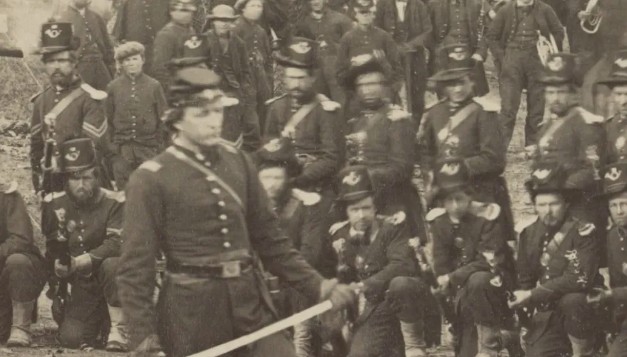
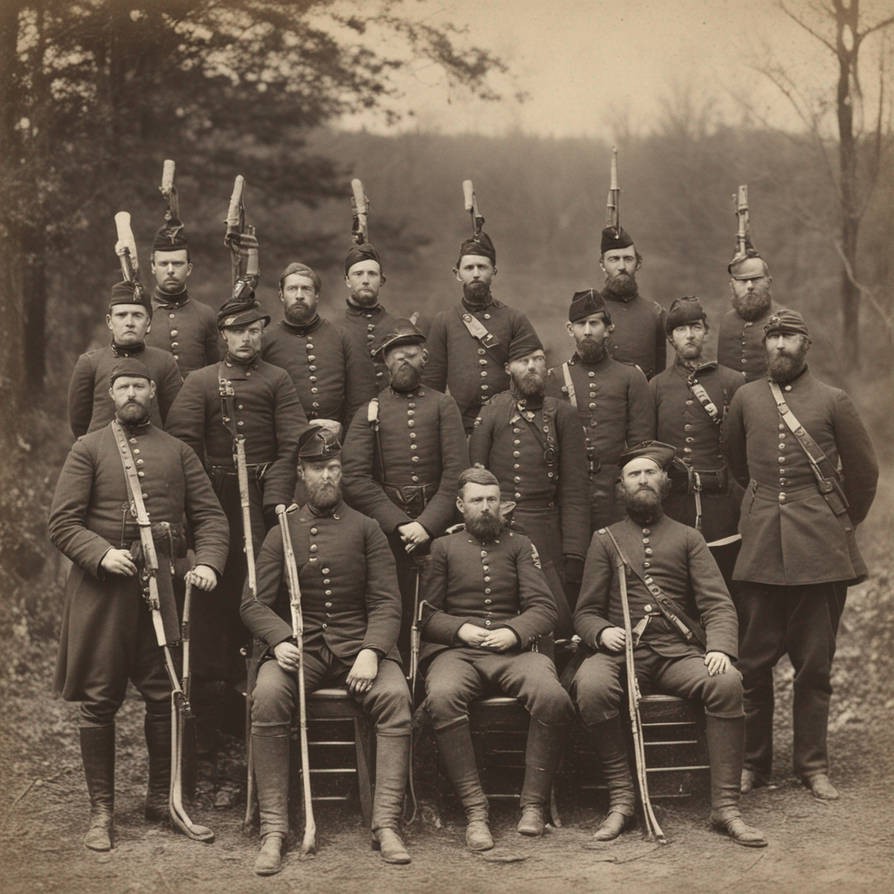
Mercersburg became involved early in the war when Confederate leader J.E.B. Stuart raided the town to capture provisions and munitions. The town would convert many churches and buildings into makeshift hospitals to care for wounded soldiers. Stuart’s raid occurred in October of 1862, and after gathering all they could including hostages, the Confederate troops made their way to Chambersburg where they pilfered everything from food and clothing to horses before making their way back down South.
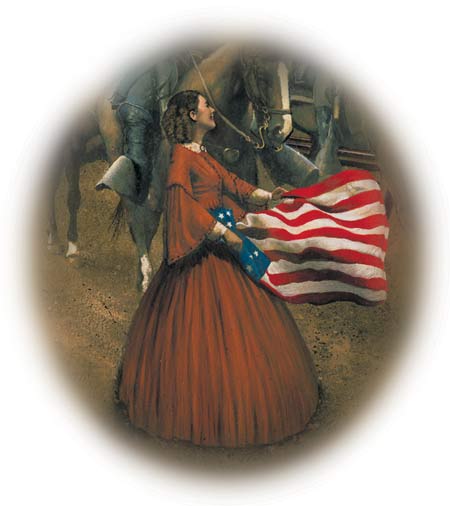
Greencastle has the distinction of having two key figures of Franklin County history involved in the Civil War. The first was Frances “Dolly” Harris, the only woman in Franklin County to be buried with full military honors, despite never being involved in the military. The reason she became the legend she is was due to her defiance in the face of danger when she stood out on the street, draped in an American flag as Confederate troops were passing through on their way to Gettysburg. Her symbolic act of patriotism lived beyond the war and still stands out to this day as one of the defining moments in American history.
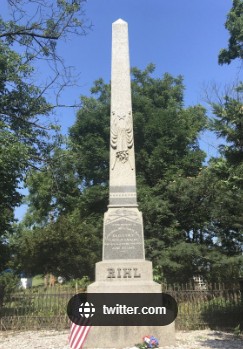
The other key figure was one of a more solemn story. Cpl. William H. Rihl became the first Franklin County soldier to be killed during the Civil War. He fought bravely during the Battle of Gettysburg where he met his end during a fight with the Confederates on June 22, 1863. Rihl had been part of the First New York Lincoln Cavalry, despite being a native of Philadelphia, and had just been promoted to his new rank in March that same year.
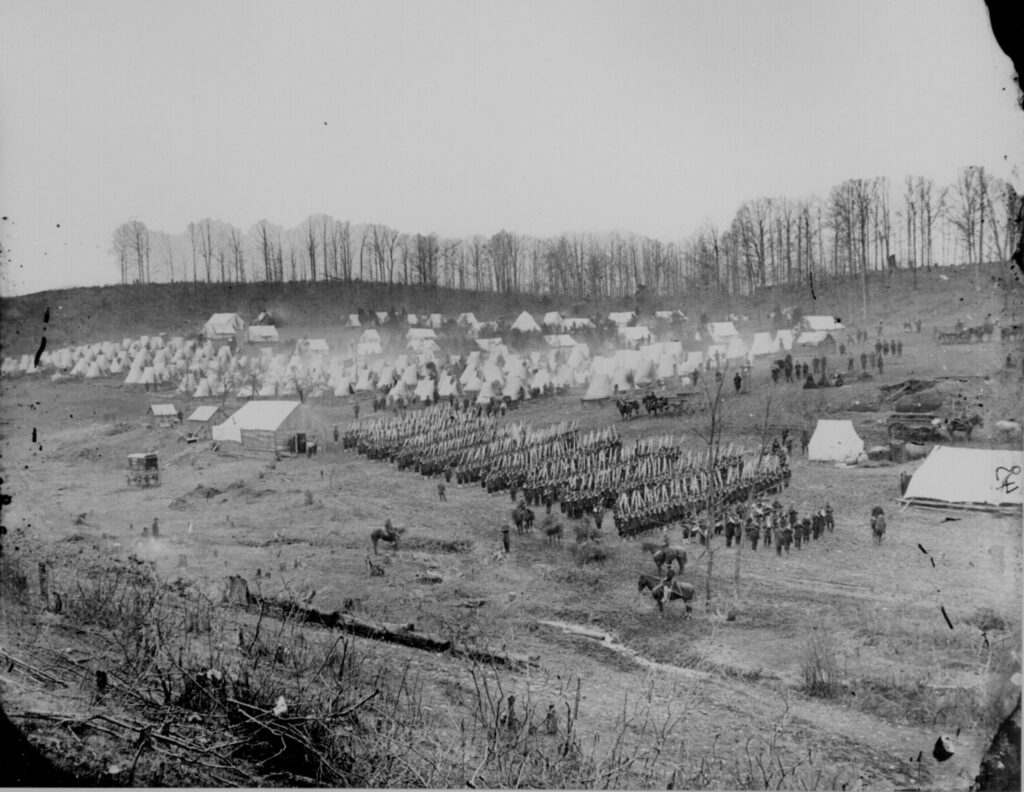
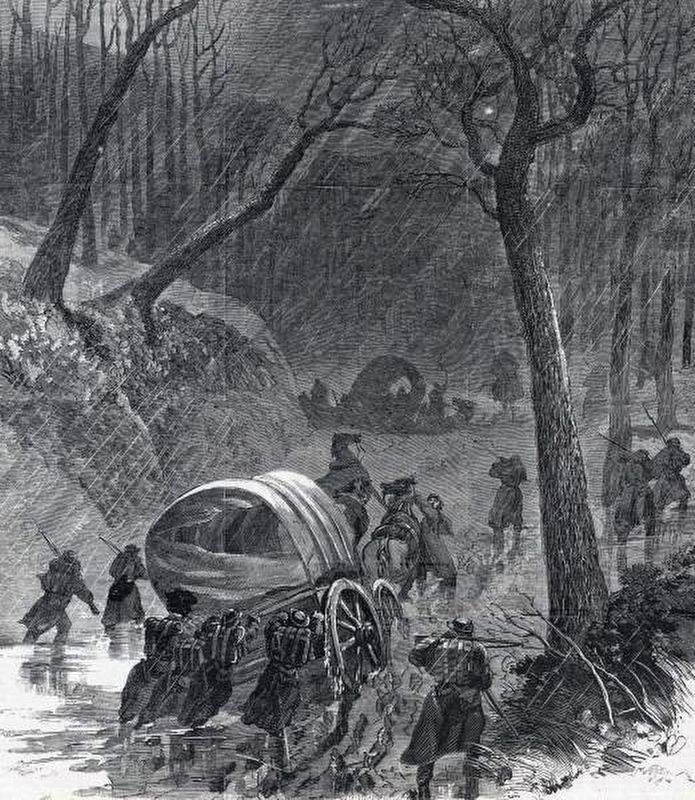
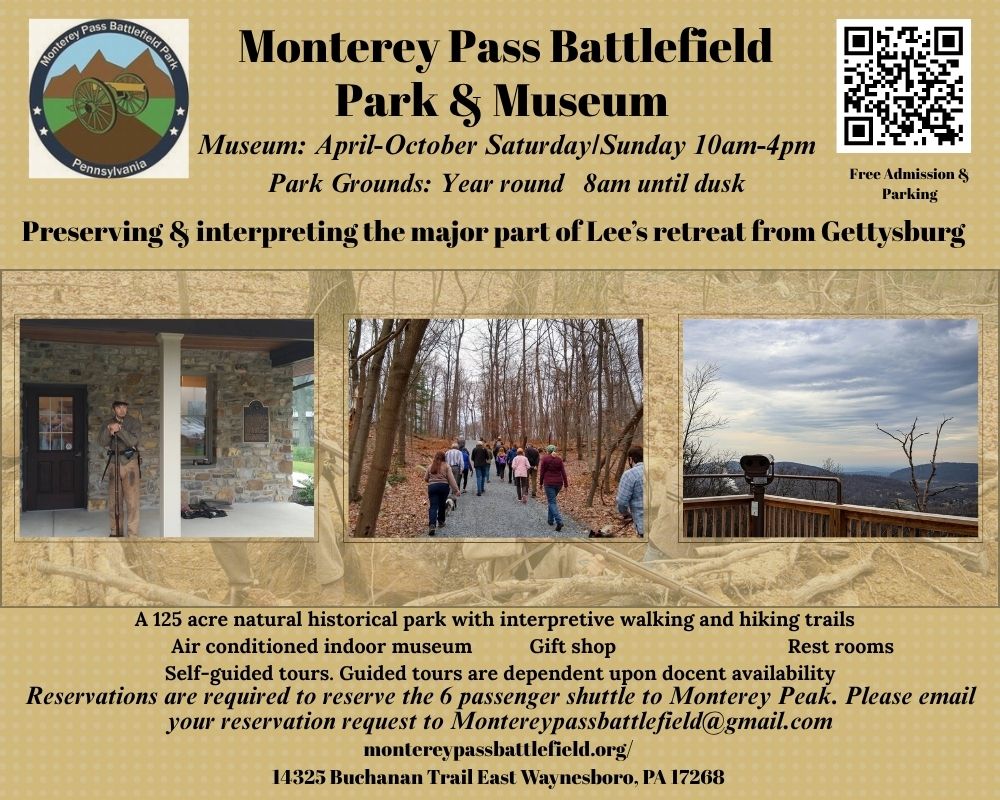
Hours after the Battle of Gettysburg, the Borough of Waynesboro became a centerpiece in the war when the Battle of Monterey Pass occurred in the wee hours of July 5, 1864. Gen. Robert E. Lee had escaped Gettysburg, and his beaten and battered army settled in the mountains to gather themselves before moving on towards Hagerstown and back into Virginia.
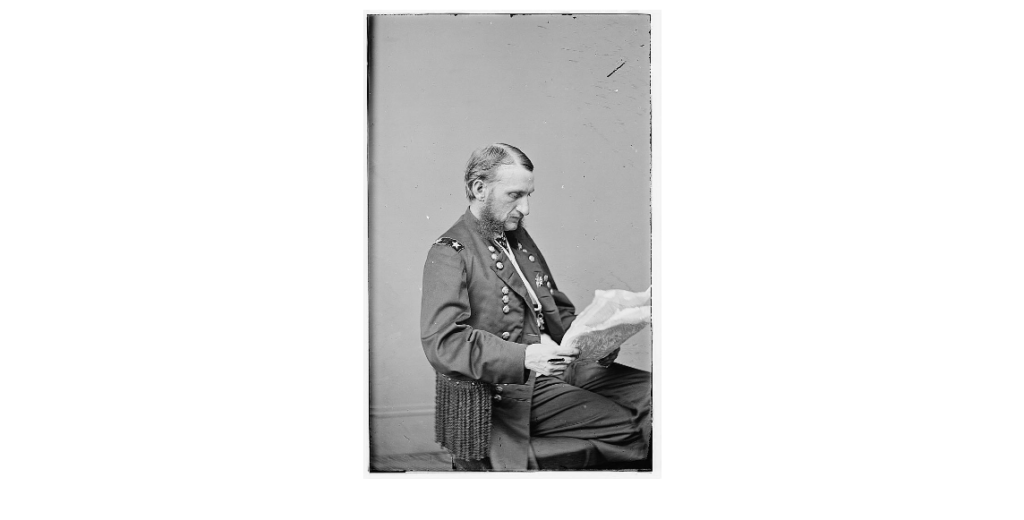
Union troops came across a small division of the Confederates, and a fight broke out in the dense fog-filled valley. Joining the Union troops was Brig. Gen George Custer and his brigade who were set at the base of South Mountain. They were the first to be fired at by the dug in southern troops which caused a great deal of confusion. The brigade recomposed itself and pressed forward engaging with the enemy. They were supported by Gen. Hugh Kilpatrick’s troops, and the fighting went on through the night. The next day, when Confederate re-enforcements arrived, the Union troops withdrew and re-engaged the southerners in Maryland.
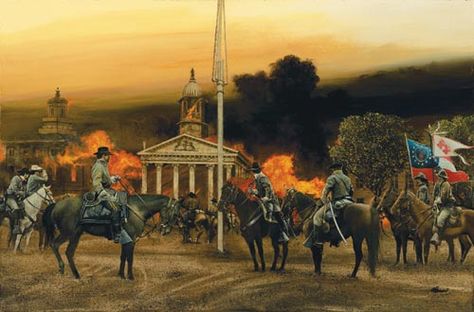
A few days later, Confederate Gen. John McCausland led a raid into Chambersburg, demanding gold or cash from the citizens or his troops would burn down the town. The citizens did not meet the demands of the general, and he ordered his troops to execute his repercussions. On July 30, 1864, the town was set ablaze, leaving many of the citizens homeless and destroying over 500 buildings. This effectively destroyed most of Chambersburg.
The Civil War left many scars on Franklin County. Chambersburg had to be rebuilt from the ground up; families were destroyed; and the once strong and fruitful communities had to pick up the pieces that had been shattered by invading troops. The resilience and fortitude of the citizens could not be broken.
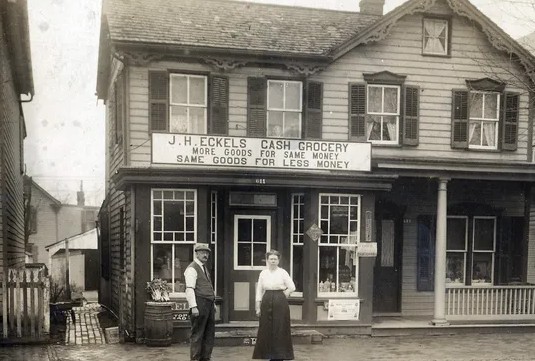
Franklin County once again thrived as the nation moved into the 20th Century. The industrial age brought new jobs and new growth that has made the towns and boroughs what they are today.