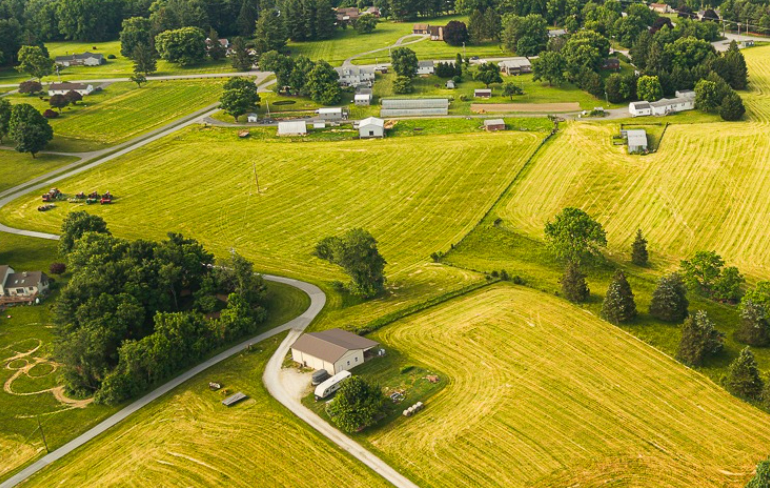
HAGERSTOWN, Md. — Washington County has permanently preserved more than 43,000 acres of farmland and is steadily working toward a long-standing goal of 50,000 protected acres. Through a combination of state and local programs, farmers and other landowners can receive substantial payments in exchange for permanently giving up the right to develop their property.
The arrangements can be worth hundreds of thousands — or even millions — of dollars, yet many residents remain unclear about how farmland preservation actually works. Is the government buying farms? What restrictions come with the money? Why does the county spend public funds on preservation in the first place?
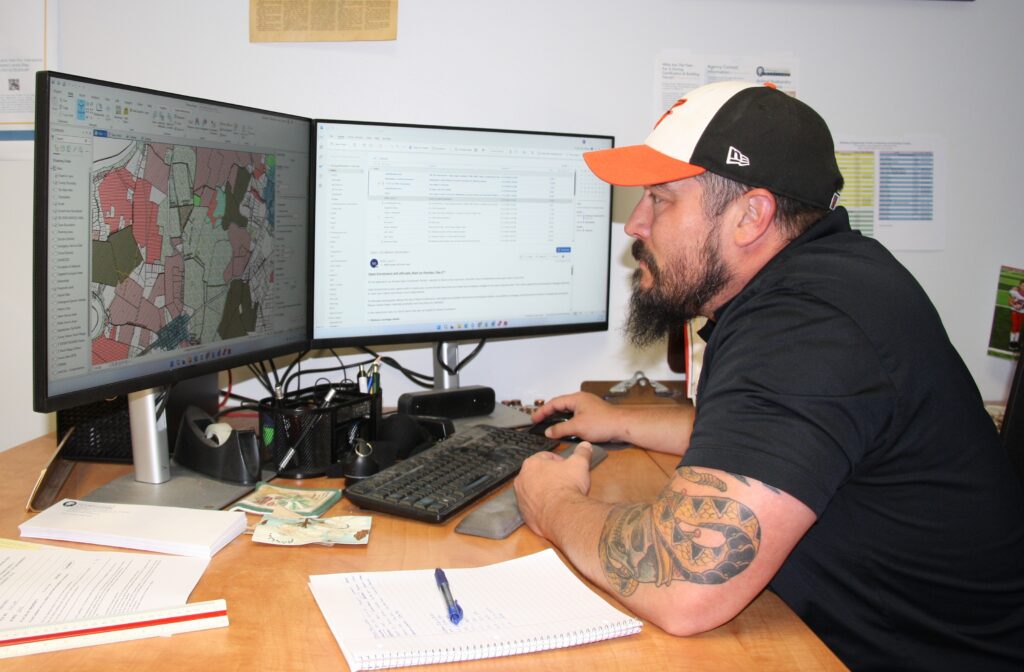
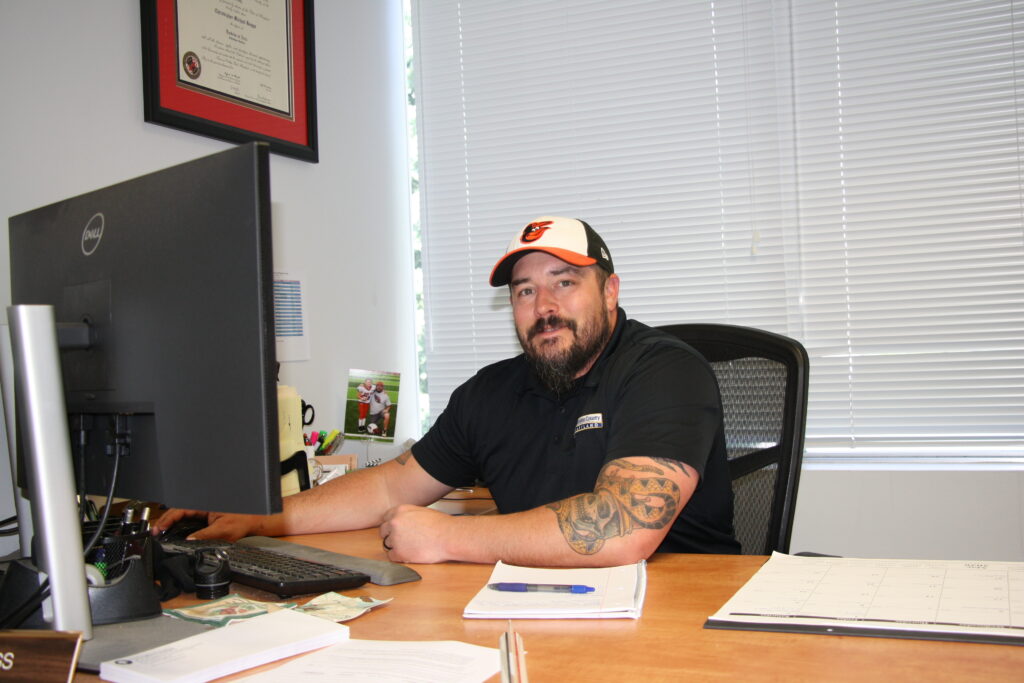
For answers to those questions and more, Zack Taylor of LocalNews1 sat down with Chris Boggs, Washington County’s Rural Preservation Administrator, to discuss the basics of the county’s various farmland preservation programs.
LocalNews1: Chris, thanks for having me. To start, what is the biggest misconception people have about farmland preservation?
Chris Boggs: A lot of people think we’re literally buying farms or taking people’s land. That’s not what we’re doing at all. You still own the property. You can sell it tomorrow if you want. What we’re purchasing are the development rights. The landowner keeps ownership, but there are permanent restrictions that prevent future development.
I’ve had people come to information meetings and ask, “When you take my land …” and I have to stop them right there and explain that’s not what’s happening.
LN1: So, what exactly is the county buying when it preserves a farm?
Boggs: We’re purchasing the right to ensure the property is not developed in the future. The farm stays a farm. The owner keeps the property. The family can pass it down to the next generation or sell it. But the development rights are gone.
It’s going to be a farm forever.
LN1: Why does the county invest so heavily in preserving farmland?
Boggs: Land preservation is a tool for smart growth. It’s a mechanism to prevent growth in rural areas and to promote agriculture. The county set a goal of 50,000 preserved acres years ago because people believed that was the minimum amount of agricultural land needed to sustain the population.
Whether you’re talking about growth management or food production, preservation is one of the tools we use to make sure that land stays available for agriculture.
LN1: Residents often worry about warehouses and development. How does preservation fit into that conversation?
Boggs: One of the chief complaints we at Planning & Zoning had over the last several years is the number of warehouses being built around Hagerstown. But if you look at the zoning maps, those warehouses are being built inside designated growth areas.
Growth areas have to include some open land and farms. Otherwise, there would be nowhere for growth to occur. Outside those growth areas, preservation programs help ensure that farmland stays farmland forever.
LN1: How does a preservation deal actually work?
Boggs: It’s completely voluntary. A landowner applies to one of the preservation programs. Depending on the program, there may be appraisals, title work, surveys, state review and local review. The whole process can take a year or more.
Once everything is complete, the landowner receives a payment for the value of the easement. If the easement is valued at a million dollars, they get a million-dollar check.
LN1: What can farmers do with the money?
Boggs: There are no restrictions on how you spend that money. It’s your money.
Obviously, everybody prefers when it gets reinvested back into the farm. Some people buy equipment. Some put new roofs on buildings. Some use it to buy additional farmland. But I’ve had landowners buy beautiful sports cars. I’ve had landowners take their family on $50,000 vacations.
As long as you pay the taxes on it, it’s your money and you can spend it however you want.
LN1: Does preserving a farm reduce its value?
Boggs: Historically, people thought it did. For years, preserved farms typically sold for less because they carried restrictions. But lately we haven’t really seen that. Preserved farms are often selling for prices similar to unrestricted farms. That’s one of the reasons these programs remain attractive.
LN1: How much interest is there from landowners?
Boggs: I generally keep about 50 applicants on the waiting list for each of our two major programs. I’ll never preserve all the farms on the list. It’s just never going to happen. I’ll probably be dead before those people get easements. [laughs]
LN1: What determines how many farms can be preserved each year?
Boggs: The big question every year is how much funding we’re going to receive from the state. When funding is high, we can preserve more farms. When land values go up, you can’t get as many acres with a dollar.
It’s hard to make goals year-to-year because you just don’t know what sort of funding levels, you’re going to have in the next one.
LN1: The county has already preserved more than 43,000 acres, which is approaching your 50,000-acre goal. What happens when you reach it?
Boggs: I think we’ll keep going. A lot of other counties have goals closer to 100,000 acres. Frederick County’s goal is 100,000. [Frederick County is about 30 percent larger than Washington County. – Ed.]
Personally, I’d like to get to 50,000 first before anybody changes the target. Let me get to 50 first. Then we can change it to 100,000. [laughs]
LN1: Circling back to farming, what would you say is the biggest challenge facing agriculture today?
Boggs: I think the hardest part for somebody who wants to get into farming is actually procuring the land because land values are so high right now. If your bank requests 20 percent down and farms are selling for a million bucks apiece, how do you come up with $200,000 on the spot?
I don’t know anybody sitting around with $200,000 in their savings account when they’re 25 years old.
LN1: Bottom line: what do preservation easements accomplish in the long run?
Boggs: The easements don’t guarantee who’s going to be running the farms in the future. You see a lot of situations where the children don’t want to farm anymore. They want to do something else. The easements don’t determine who farms the land in the future. They just guarantee that it will always be a farm.
That’s why I think preservation is a great venture, because it’s going to guarantee that there’s land there to farm. We don’t know who’s going to be farming in the future, but we know that it’s going to be a farm.