SMITHSBURG – When people talk about the Civil War in the Tri-State area, the small town of Smithsburg will likely not be the first place mentioned in the conversation. In fact, some may not mention it at all. While no major battles were fought in the place that was named after Christopher “Stuffle” Smith in 1846, many places in town were used as hospitals and a small skirmish was fought there days after the most famous battle of the war.
Almost every town in the western section of Maryland was involved in some way in the war between the Union and Confederates. The bloodiest battle in American history was fought just 18 miles south of Smithsburg in the town of Sharpsburg. It was the Battle of Antietam, which was fought on Sept. 17, 1862. With over 17,000 soldiers wounded in action, there was going to be a heavy need for hospitals.
Several homes and public buildings around the town were repurposed to take in and tend to the wounded not just from the Battle of Antietam, but also the Battle of South Mountain and its over 3,000 wounded soldiers. There were also several others skirmishes that popped up around the area all needing medical treatment.
On July 1-3, 1863, the most famous battle of the Civil War took place in the nearby town of Gettysburg, Pennsylvania which was about 25 miles from Smithsburg. After three terrible days of battling under the blazing summer sun, Confederate leader, Gen. Robert E. Lee withdrew his defeated troops to return South. Following him out of Pennsylvania, were Union troops under the command of Brig. Gen. Hugh Judson Kilpatrick, who had with them the remaining men of the Michigan Cavalry Brigade led by Brig. Gen. George A. Custer.
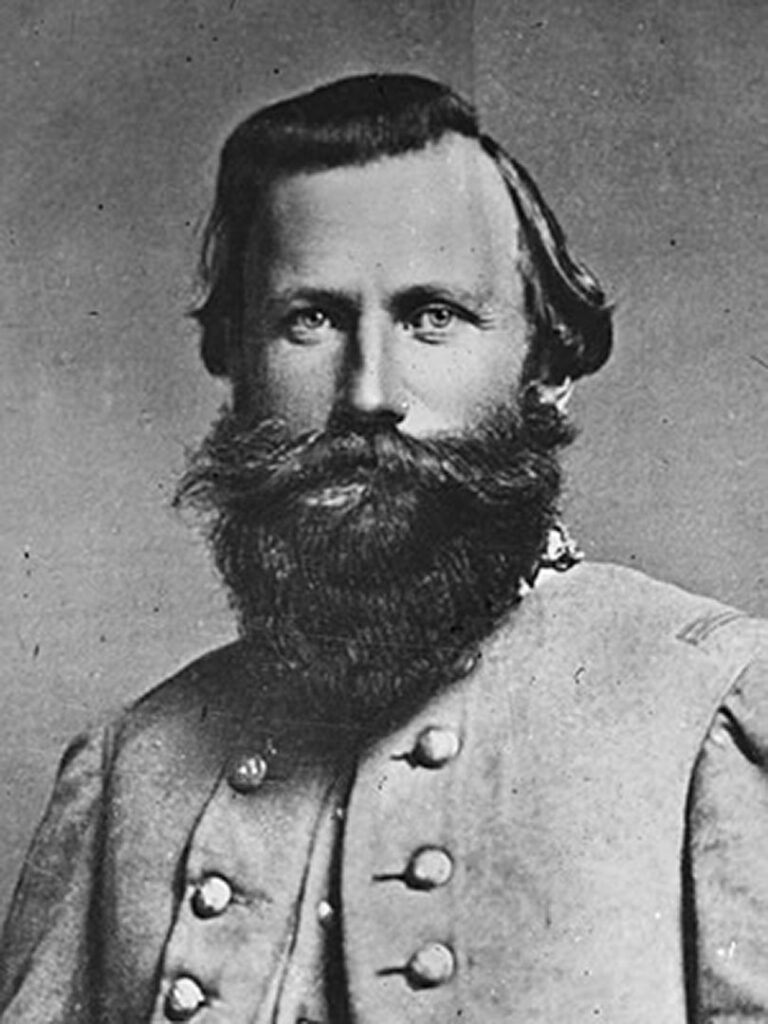
Photo provided by: Library of Congress
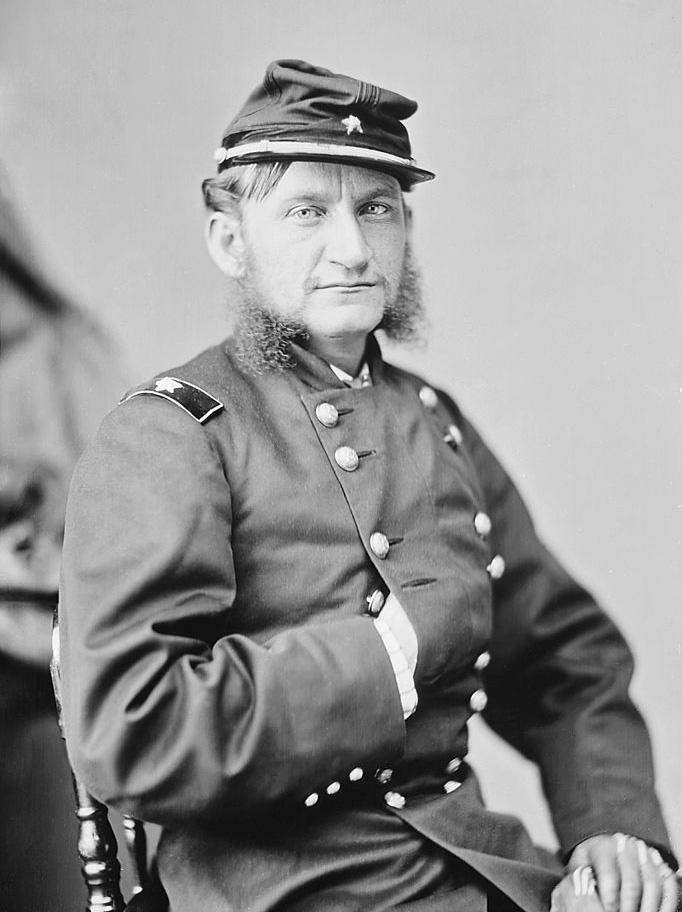
Photo provided by: Library of Congress
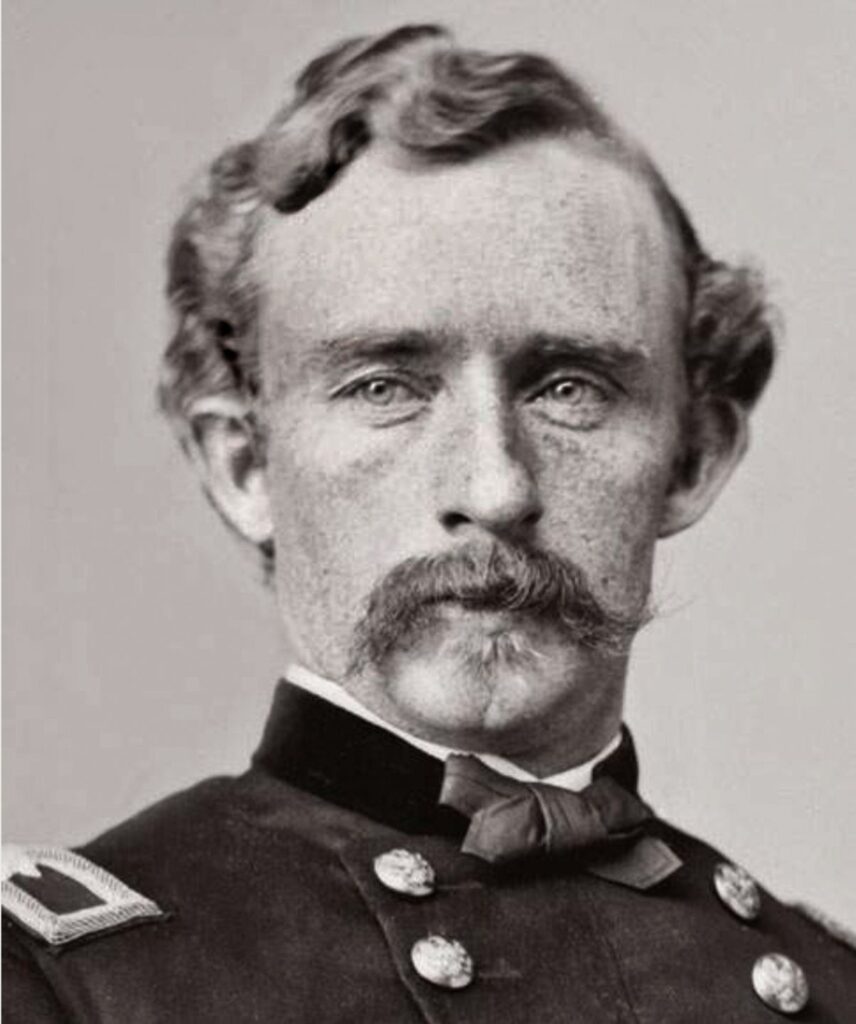
Photo provided by: Library of Congress
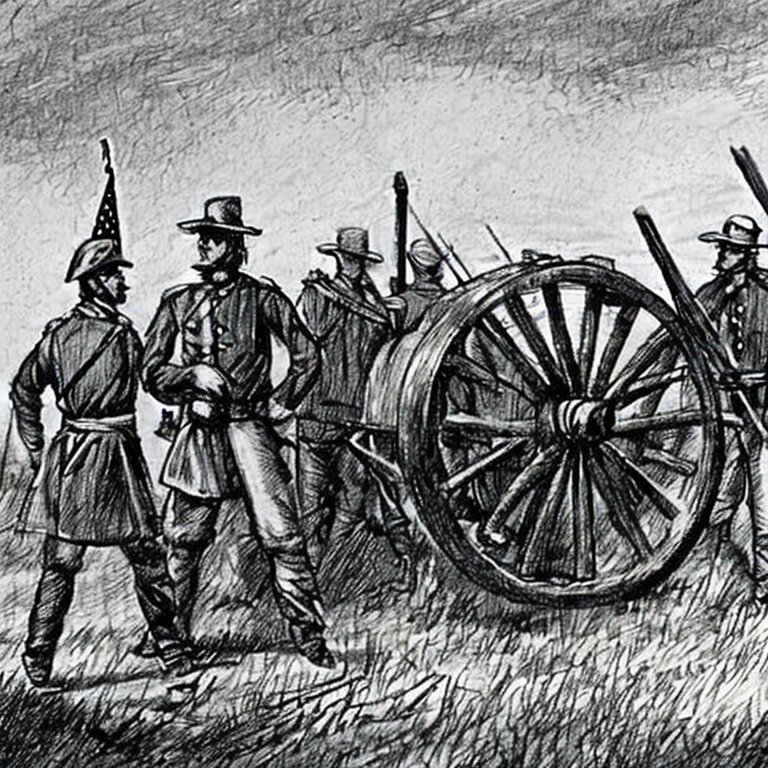
Having just finished their community Fourth of July celebrations, members of the Smithsburg community welcomed the Union leaders to share a meal with them when they arrived on July 5th. After setting up artillery batteries in three sections of town in case of a surprise attack from Confederates, the Army was able to relax and recover from the battles days before. The batteries were placed at Gardenour Hill, Federal Hill (which at the time was known as Goat Hill), and along what is now school ridge. Their concerns of attack were warranted and prophetic.
Confederate Gen., J.E.B. Stuart had arrived just outside of Smithsburg and saw the Union forces had arrived. He had his artillery batteries set up Nicodemus Hill. Union troops rushed into action and captured several Confederate wagons that contained both goods and prisoners. What followed was an exchange of fire with the Rebels causing damage to many homes and property in the town which was now stuck in the middle of a cannonball battle.
Realizing he was outnumbered, Stuart orders his battery to reposition his cannons to get a better shot. Thinking his forces had held off the Confederates, Kilpatrick packed up his troops and headed towards Boonsboro. The Confederate forces then moved into Smithsburg but only to move toward Hagerstown where they would regroup with Lee’s Army of Virginia.
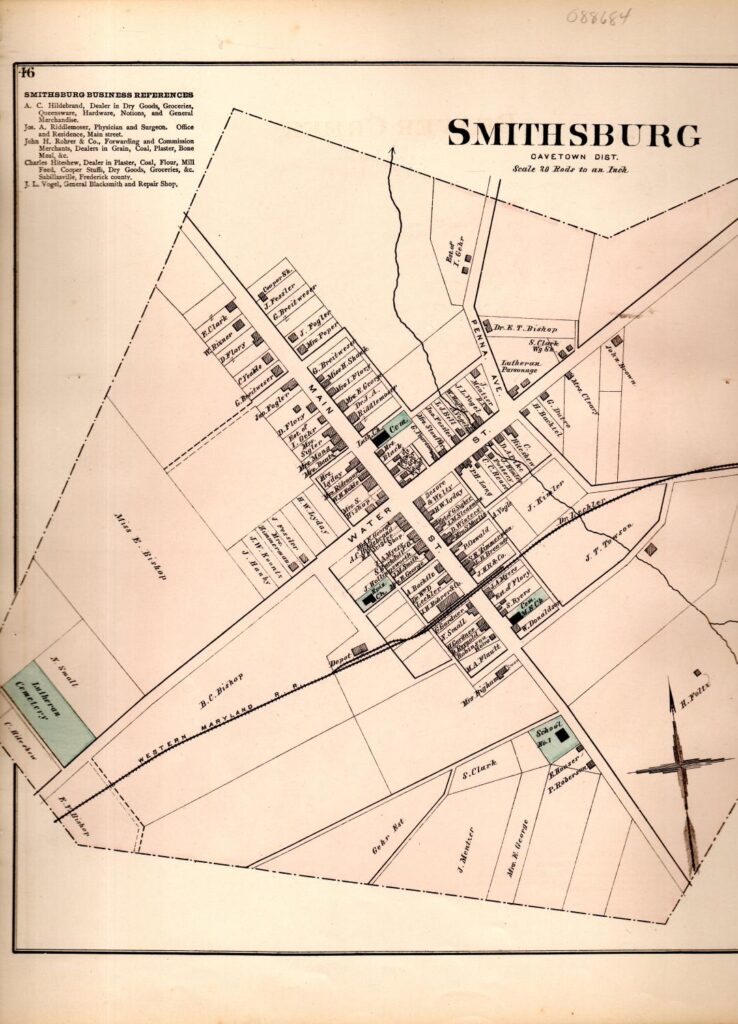
Smithsburg Historical Society
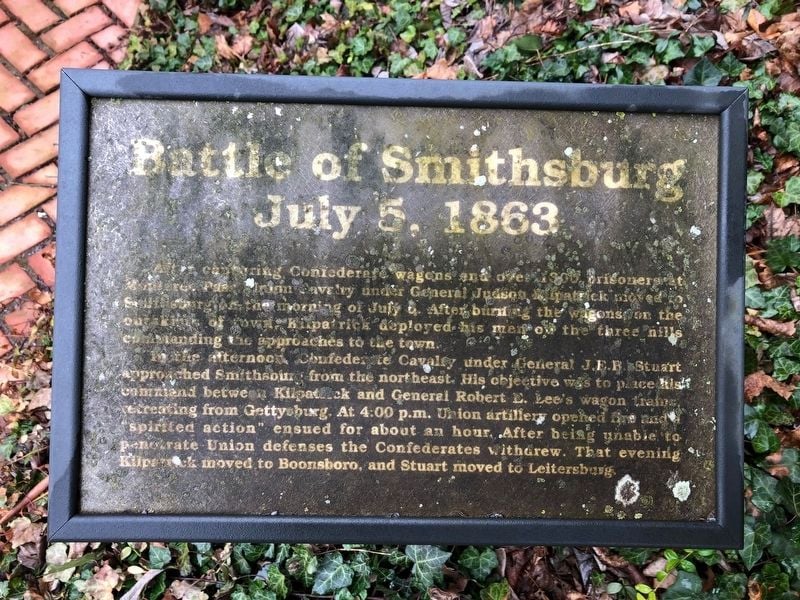
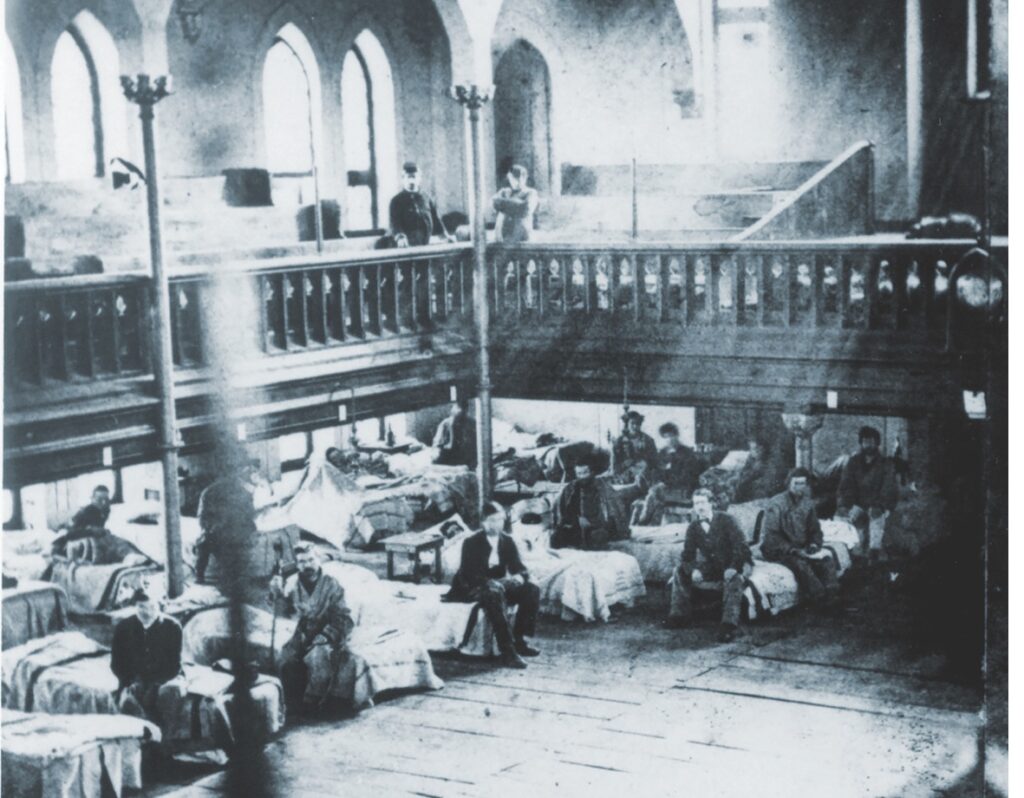
Photo provided by: Library of Congress
History has documented the event as one of several failed opportunities by the Northern forces to possibly put an end to the war after the Battle of Gettysburg. Instead of taking the same route as Stuart and attacking the battered Rebel forces as they passed through Maryland enroute to Virginia, Kilpatrick and Custer took their forces to Boonsboro.
Whether it would have dealt a final blow to the South, or slowed them enough for Union forces to surround them to bring about surrender, we will never know. What is known is that the town of Smithsburg had been added its voice to a chapter in American Civil War history.
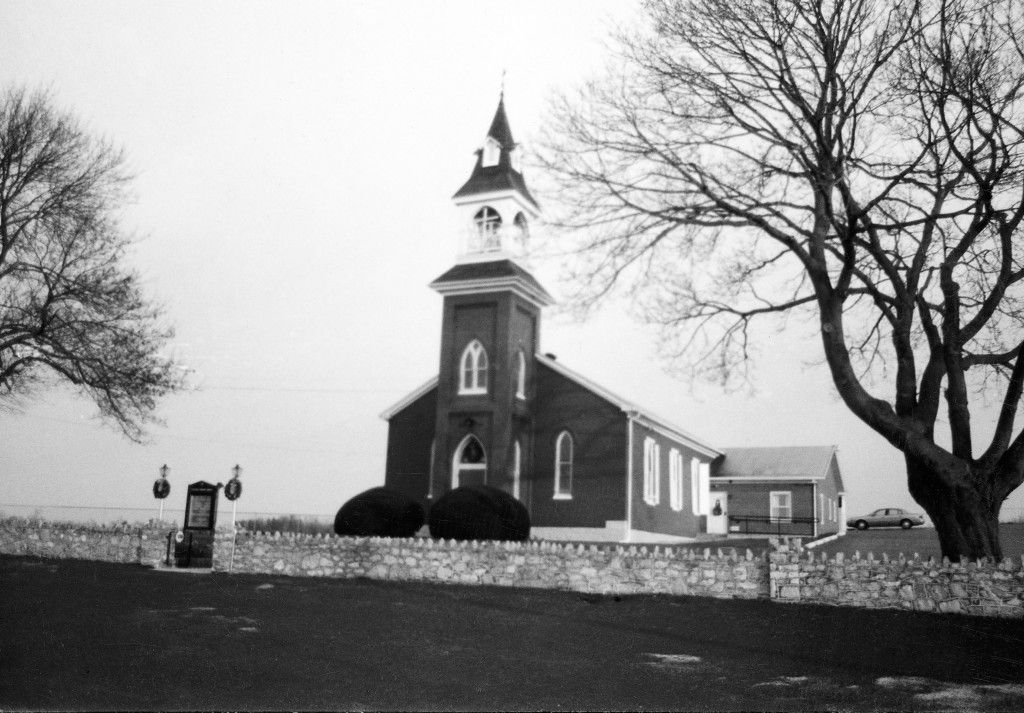
photo provided by : Smithsburg Historical Society
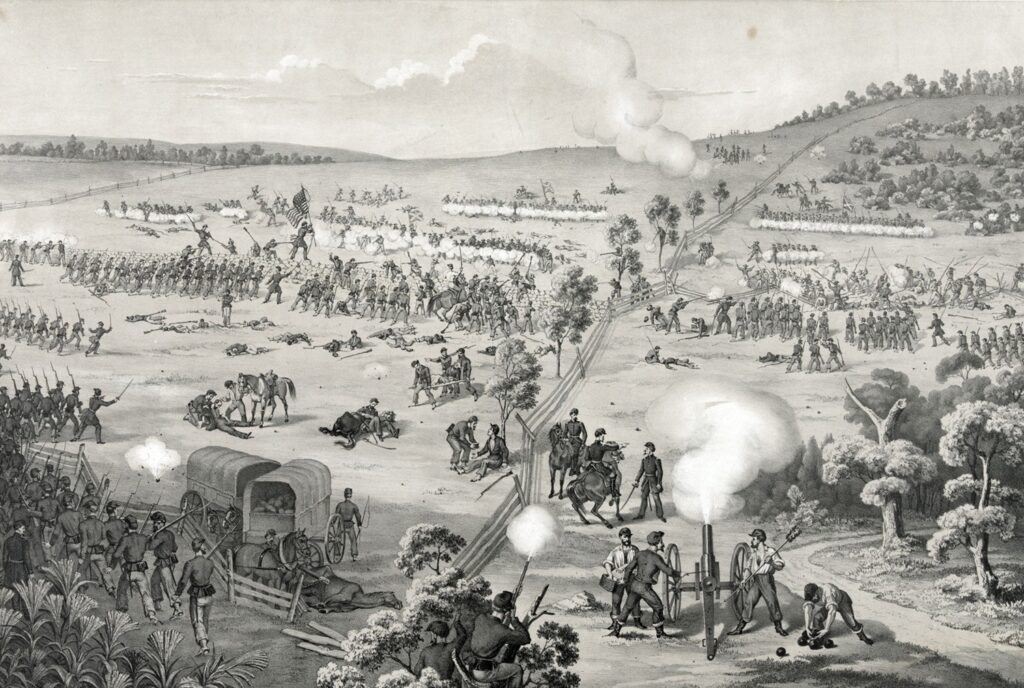
Photo provided by: Library of Congress
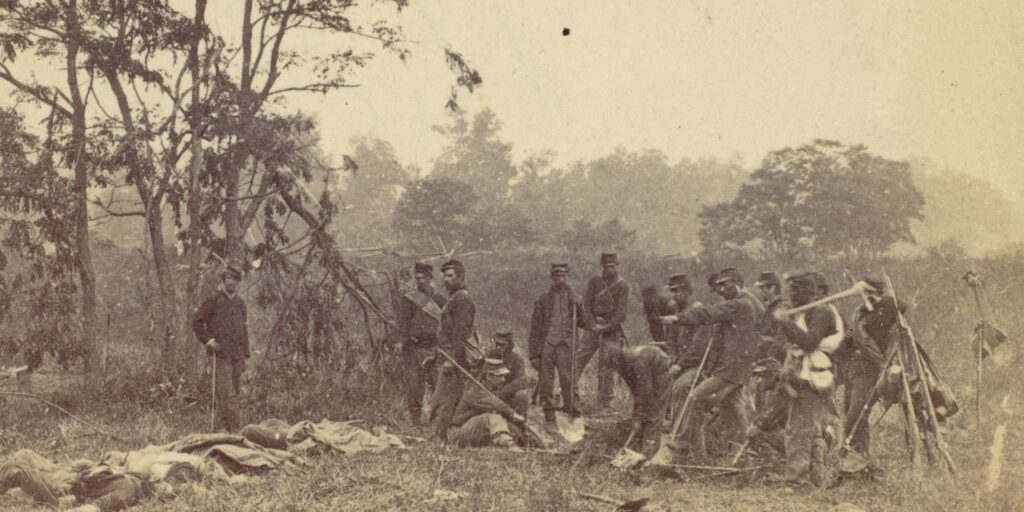
Photo provided by: The Metropolitan Museum of Art, Purchase, Florance Waterbury Bequest, 1970