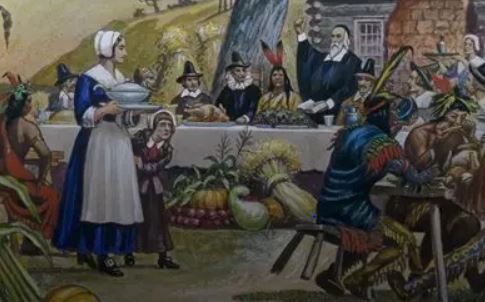
Washington County steeped in tradition
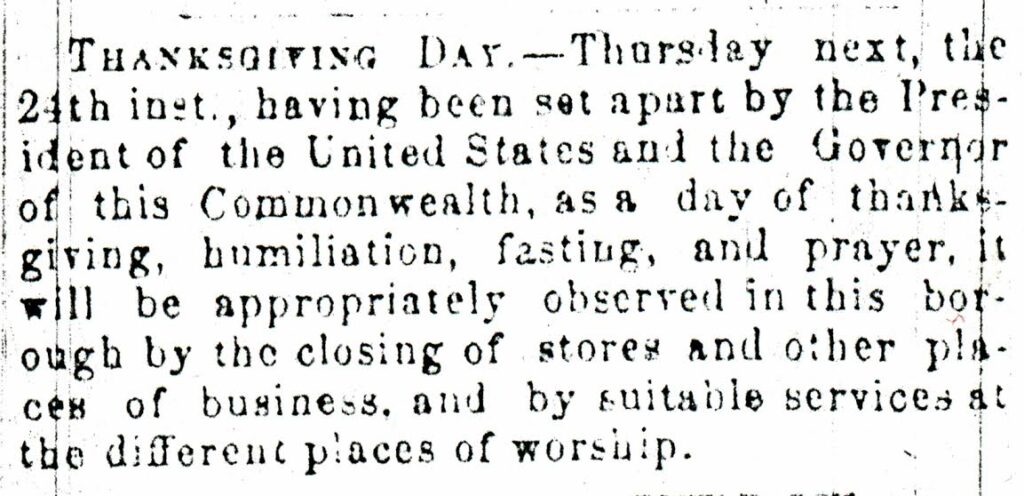
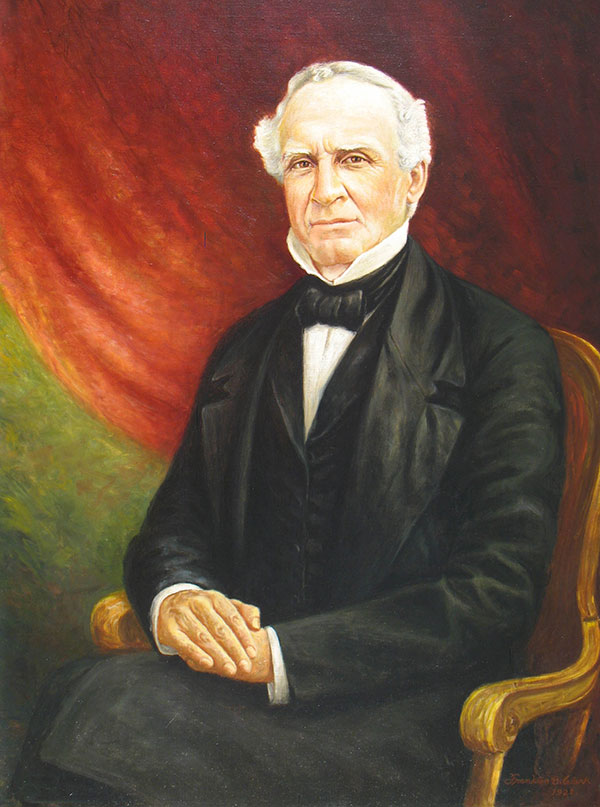
Washington County began observing Thanksgiving in 1842, when Maryland Gov. Francis Thomas (1799–1876) proclaimed a day of “thanksgiving, praise and prayer”— more than two decades before President Abraham Lincoln established Thanksgiving as a national holiday.
The county’s observances combined early religious practices with Maryland culinary traditions. Although the earliest celebrations emphasized religious reflection, food customs soon emerged, shaped by the region’s agricultural resources and cultural diversity.
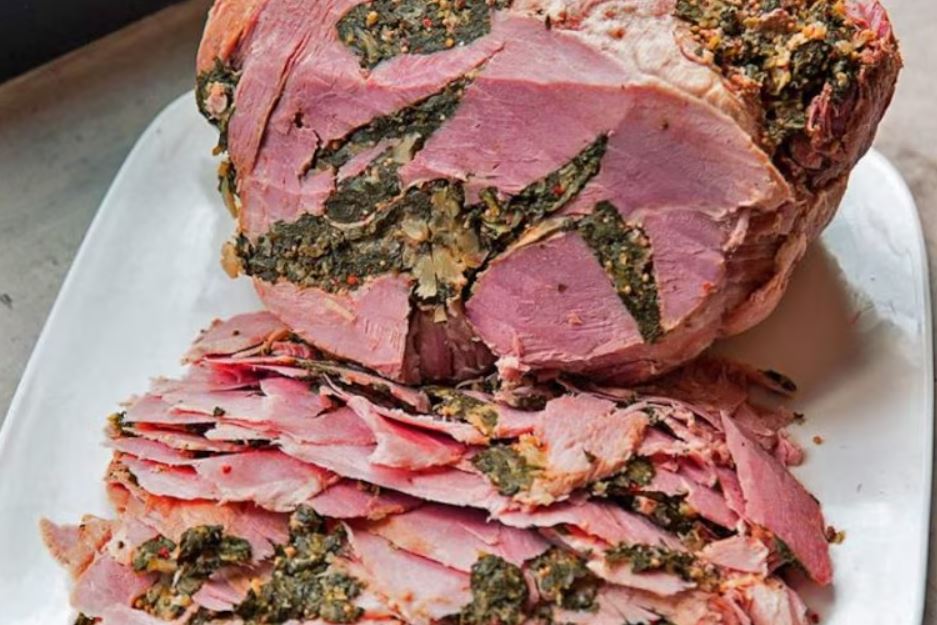
While the national menu typically includes turkey, stuffing, mashed potatoes and pumpkin pie, historic Maryland tables often featured country ham, oyster stew, sweet potatoes, white potato pie and St. Mary’s stuffed ham, which is a traditional Southern Maryland dish made by filling a whole corned or fresh ham with chopped greens, vegetables and spices, then cooking it until the meat and filling are tender.
These foods reflect the county’s agricultural heritage, the Chesapeake Bay’s resources and culinary traditions shaped by Native American, European and African influences.
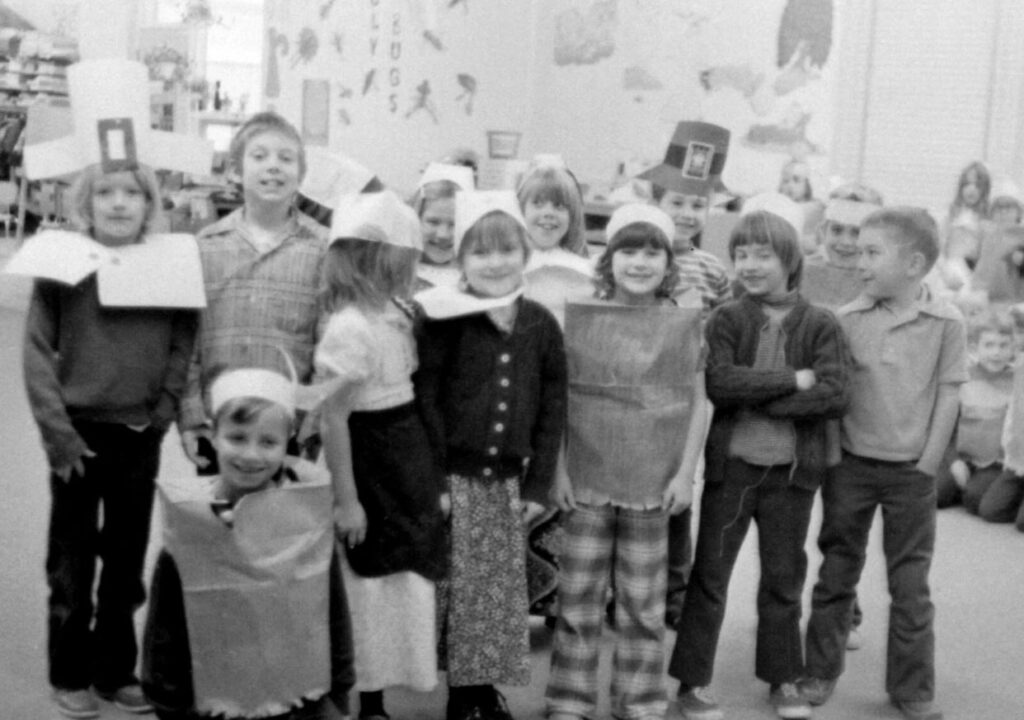
Franklin County’s early Thanksgiving traditions
Franklin County’s earliest settlements were established in the 1700s by Scots Irish, German and Welsh immigrants, creating a culture centered on religious gatherings and community fellowship.
Churches such as Falling Spring Presbyterian, First Lutheran and Zion Reformed became foundational institutions. Their congregations held regular days of prayer and celebrated Thanksgiving long before the national holiday was established.
By the time Franklin County was officially formed in 1784, Pennsylvania governors occasionally proclaimed days of thanksgiving, though these were not yet annual or standardized.
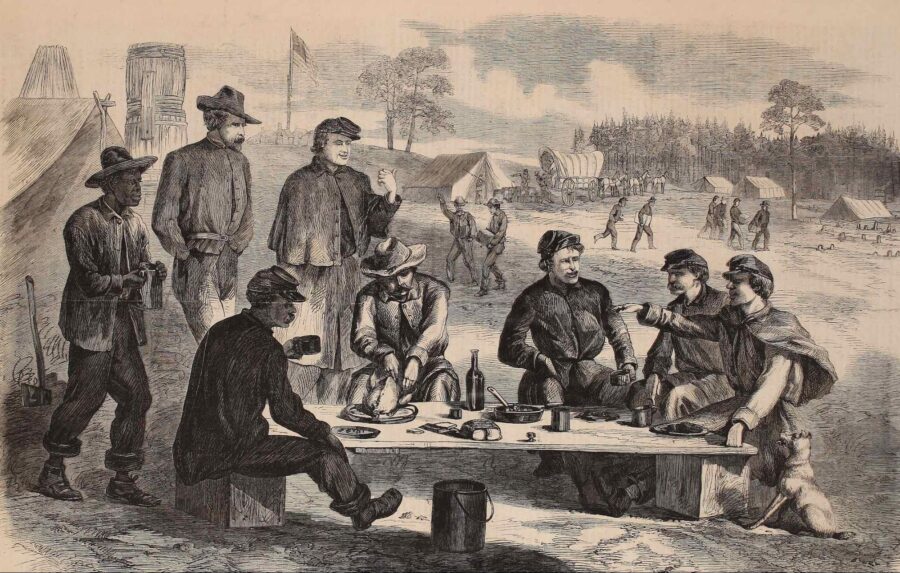
When Thanksgiving became a national holiday in 1863, the country was two years into the conflict between the Northern and Southern states. The Civil War deeply affected Franklin County; Chambersburg was burned in 1864, and the region was heavily connected to Underground Railroad routes. The main road from Virginia through Maryland and into Pennsylvania also made the area strategically important to both sides.
Although the Civil War was a dark chapter in American history, it gave Franklin County residents reasons to be thankful. Churches and families expressed gratitude for surviving and for their community’s resilience, while mourning those they had lost. They supported returning soldiers and comforted the families of those still fighting. As a result, Thanksgiving held special meaning for people in the region.
A continued tradition throughout the region
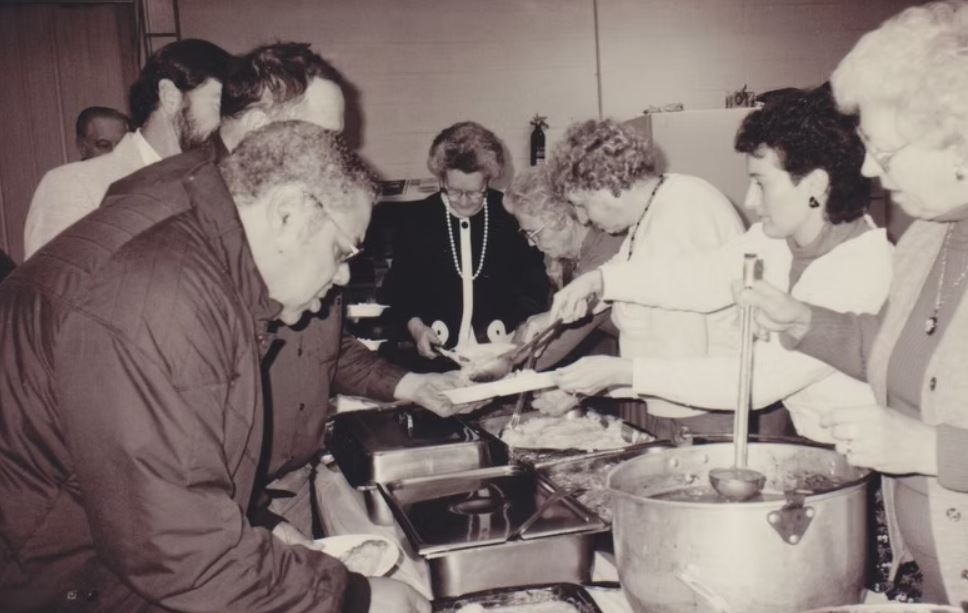
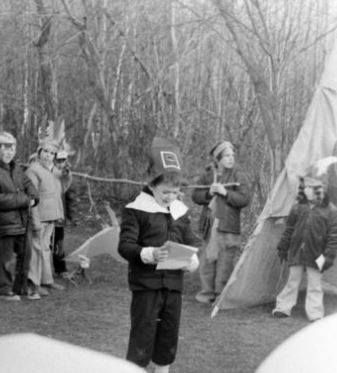
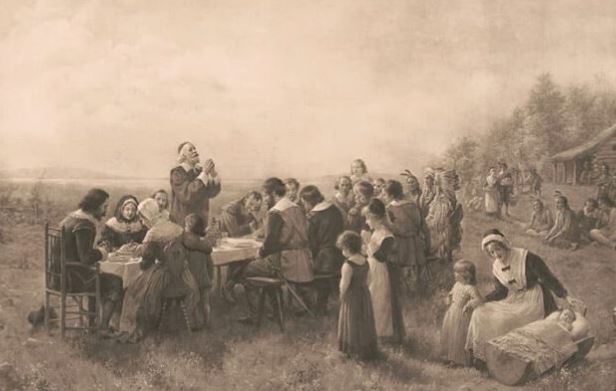
Thanksgiving means something different to each person who celebrates it. It can mean time to spend with family, a time to reflect on the year so far and what lies ahead, or it can be a time to celebrate a good meal. It can be the opportunity to give back to the community by volunteering at local churches and shelters.
Thanksgiving has evolved over the years, but the underlying message is still the same — to give thanks for what matters most in life.