CHAMBERSBURG, Pa. — Wilson College helped change the landscape of women’s education, not just in Franklin County, but across the nation. This is part two of a two-part series looking back at the history of Wilson College and the impact it has had on the world.
Turn of the century
As the 1900s began, so did a new chapter in the history of Wilson College. The school celebrated the new century with the opening of the gymnasium in 1900. Then two years later, the Athletic Association formed new sports teams, which included field hockey and basketball.
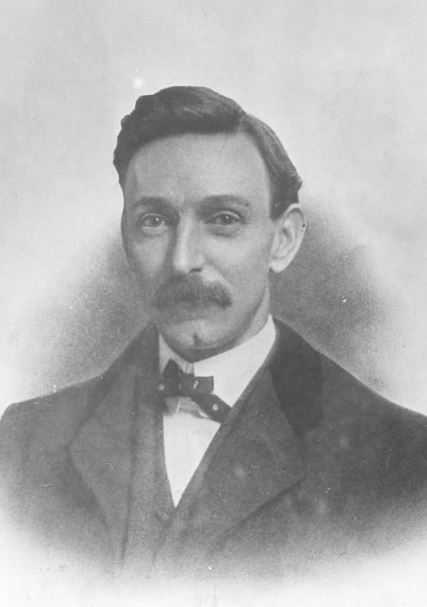
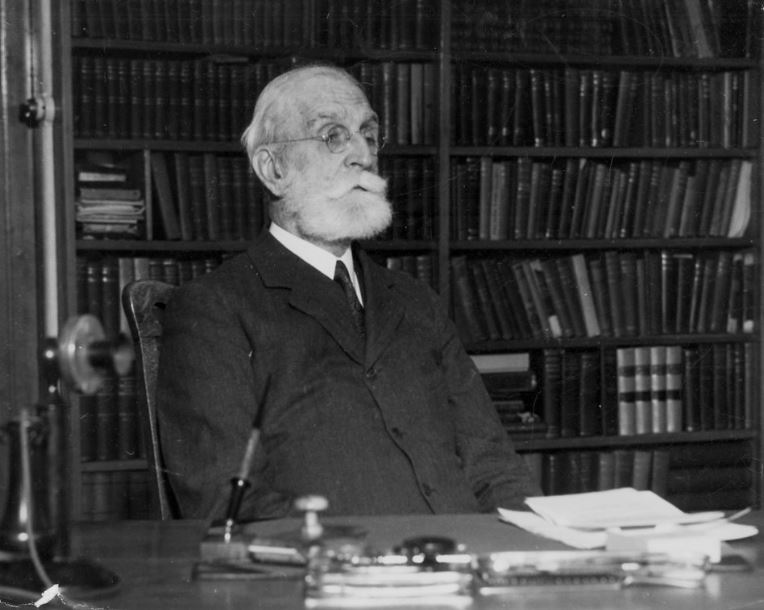
The first president of the college in the 1900’s was Dr. Matthew Howell Reaser (1863-1948), who would later go on in his career and found two junior colleges for women, the Beechwood School in Jenkintown, Pennsylvania, in 1911 and then the Edgewood Park Junior College for Women in 1936 in Briarcliff Manor, New York.
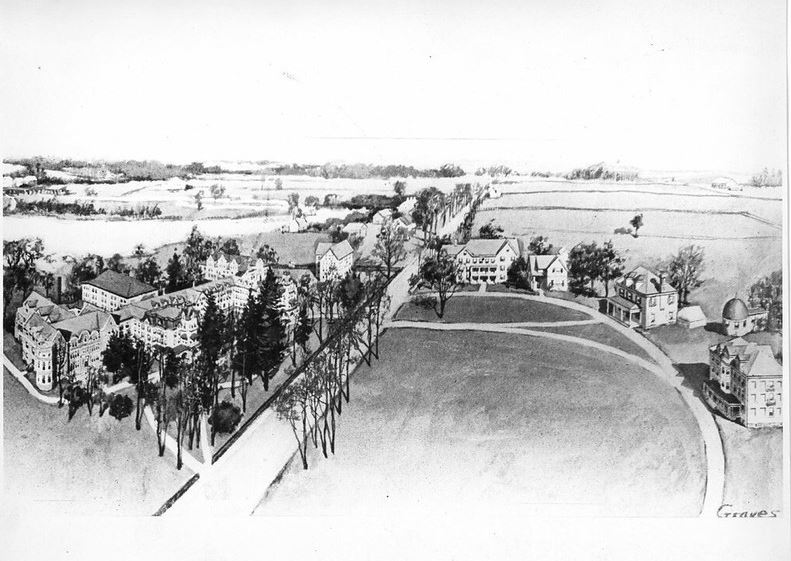
During his time at Wilson College, he oversaw the completion of the Thomson Music Hall and the rerouting of Philadelphia Avenue around the college campus where it had previously run through it.
Changing image and WWI
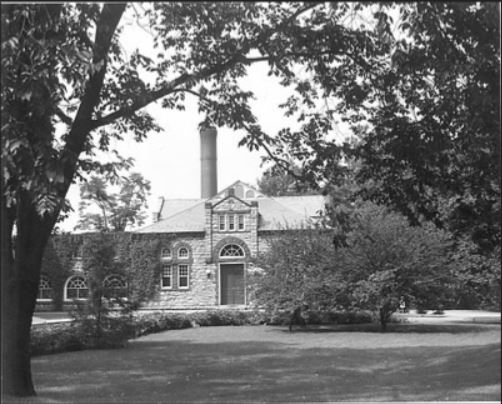
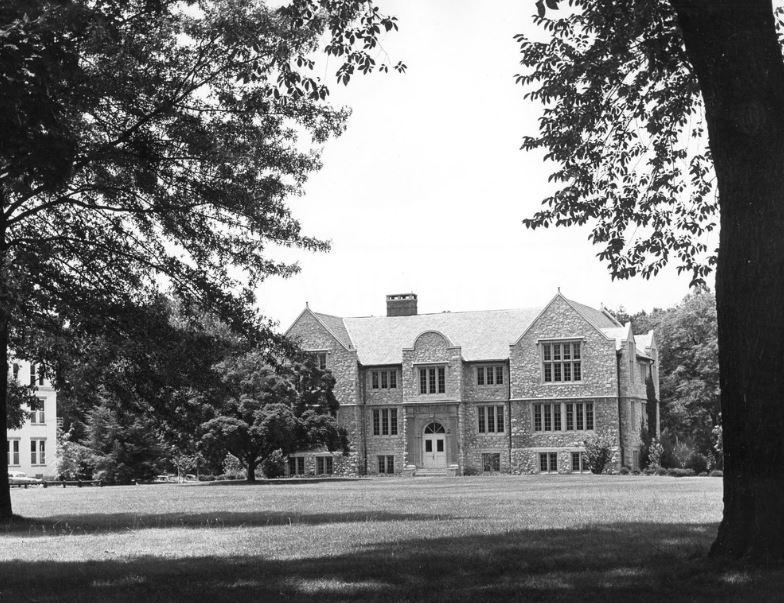
In 1915, the Rev. Ethelbert Dudley Warfield (1861-1936) became the new president of Wilson College and brought about a restoration to the image of the college. New buildings were built, and older ones were redesigned to bring a more English Gothic look to the campus.
As these changes were happening on campus, changes were happening around the United States as well. In April 1917, American military forces joined their allied nations in a war against Germany and its allies, bringing the United States into World War I.
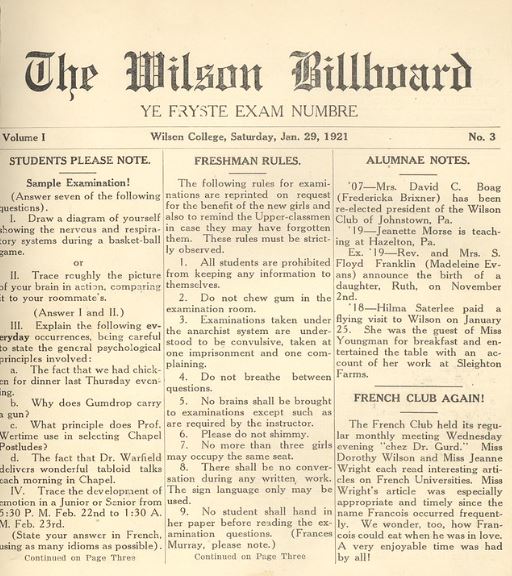
In response, Wilson College added two new important classes to its curriculum, first aid and telegraphy. There was also a marked decline in male faculty and staff as men went off to war. This would mean that the students would have to help with daily tasks around campus in addition to their academic endeavors.
Growth over the years
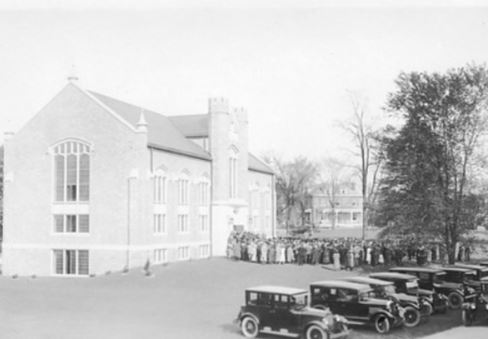
Wilson College continued to grow as the years moved on. In 1925, a new building was dedicated as the John Stewart Memorial Library. The building was named after Justice John Stewart (1839-1920), who had been a longtime trustee of the college and a prominent public figure around the city of Chambersburg.
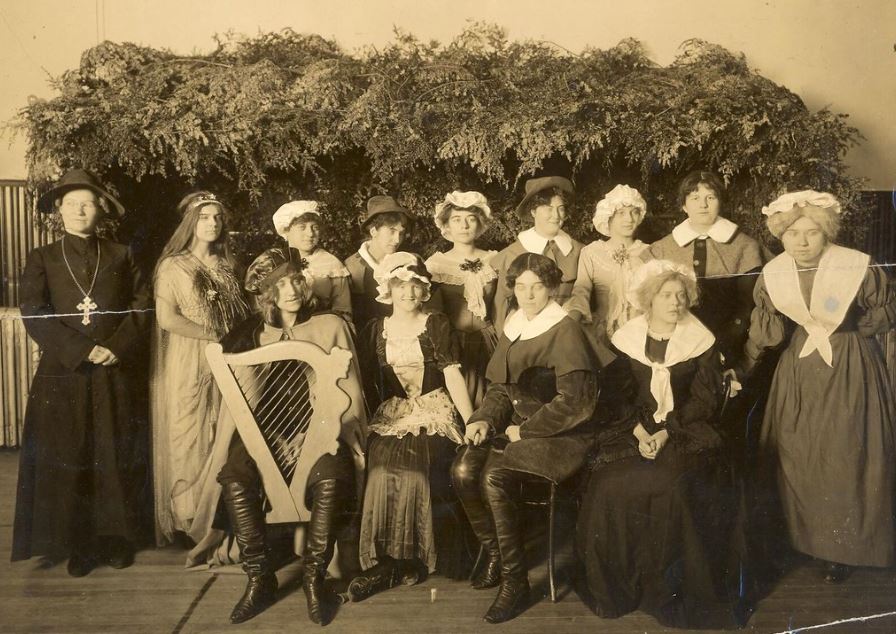
New dorms were added, such as Riddle Hall in 1928, to accommodate the growing number of enrollments. More changes came to the college such as the founding of the Kittochtinny Players Dramatic Society in 1930 and a Placement Office in 1938 to help students find the career path that best suited them.
WWII brings change
In December 1941, the United States was once again brought into the horrors of a World War after Japanese forces attacked the U.S. Naval Fleet at Pearl Harbor. As men went off to fight all around the world, the impacts were felt throughout the nation.
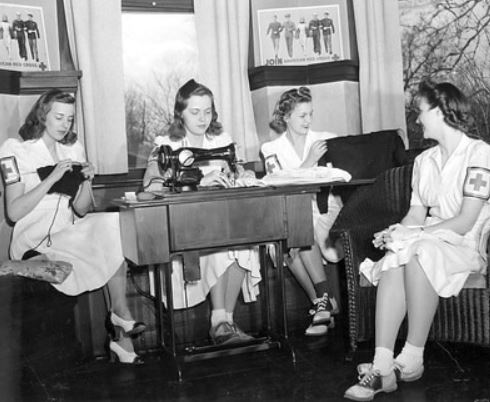
The students at Wilson College, like many campuses around the United States, were required to do their part. Red Cross training was added to the curriculum, and some students would work as volunteer nurses. Air raid shelters were added to the campus due to the fear of another attack on American soil.
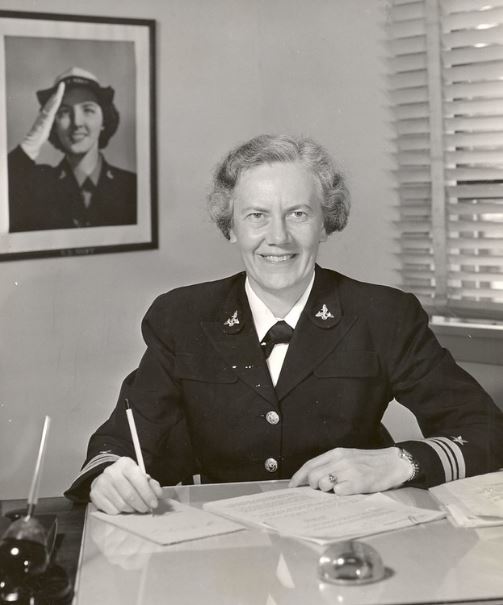
Some campus women even went off to war, including the dean at the time, Margaret Criswell Disert (1899-1991), who was a lieutenant in the U.S. Navy’s WAVES and notable alumnae, Elizabeth McGeorge Sullivan (1916-2007), who served as a Women Airforce Service Pilot.
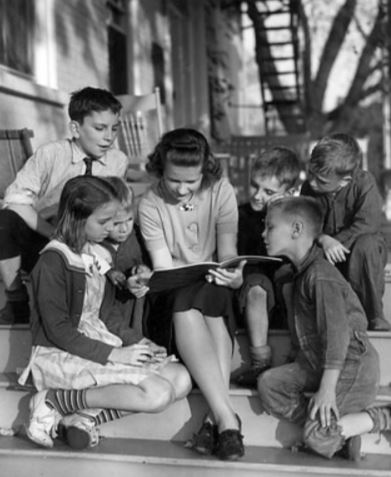
Many students also volunteered their time to work with children whose parents were off to war or working two jobs to help maintain their household. The program was called the Social Services Association and provided both academic and recreational assistance.
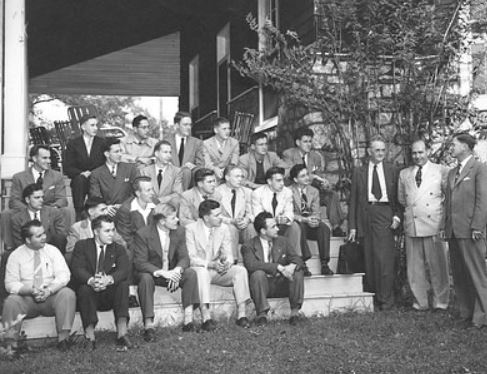
As the war came to an end and soldiers returned from war, there was a growing need for space for men going to college. To help accommodate for need, Wilson College became available to men for the first time in 1946. It would only be a temporary accommodation, and Wilson College would remain just for women for the next 60 years.
Life after the war would bring many more changes to the college. The campus would continue to grow from around 450 students enrolled to the over 1,600 students that attend the college today. It would see changes in technology expansion.
It would experience the civil rights movement and the many changes in American culture throughout the decades. But the history of Wilson College and the impact it has had on the thousands of students, faculty and community in Chambersburg should always be remembered.