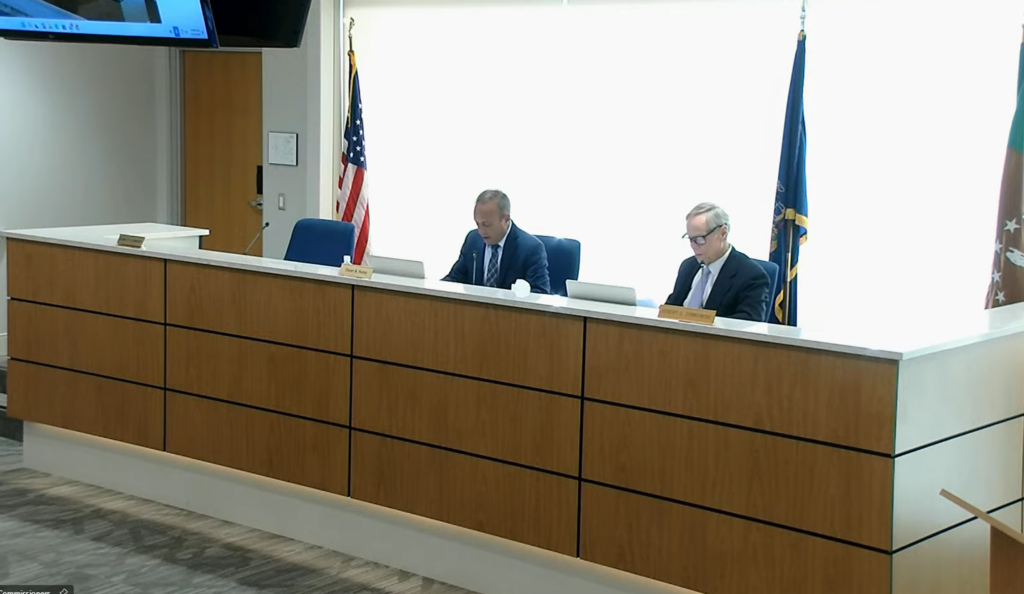
CHAMBERSBURG, Pa. – Fiscal Director Janelle Friese and Chief Financial Officer Teresa Beckner presented the preliminary 2027 general fund budget to the Franklin County commissioners during Wednesday’s meeting.
This year’s budget projected $59 million in revenue and $57.3 million in expenditures, resulting in about $1.7 million to be contributed to reserves for 2027.
“Revenue is projected to exceed budget by about $1.7 million, and the largest increase is in fees and charges for services,” Friese said. “These relate to various criminal justice programs, as well as reimbursements for internal allocated costs where the state and federal government is able to reimburse us for those costs.”
Fiscal year 2026 started with around $14.9 million in unassigned reserves to support general operations; this year’s $1.7 million will bring the total to around $16.6 million.
Preliminary general fund revenue for 2027 is estimated at around $59.1 million and expenditures at roughly $60.5 million, creating a deficit of approximately $1.4 million to be covered by reserves. No tax increase is planned for next year.
Friese said personnel costs are estimated at around $32.8 million, based on current staffing and cost-of-living adjustments, as well as an expected 35% increase in health insurance costs from current premium amounts.
Next year’s operating costs are budgeted at about $21.5 million to cover expenses associated with supplies, equipment, maintenance, utilities, vehicles and contracted services, according to Friese.
Transfers are set at around $6.2 million to help support programs with an alternative primary revenue source outside the general fund, usually through state or federal funding. Beckner broke transfers into two categories to show where local property tax dollars go.
Human service programs take up a large share, with the next year’s budget set at $4.9 million. Around $4.1 million of that amount will go to children and youth services.
For non-human service programs, such as 911, hazmat or domestic relations, $1.4 million will be required.
“…the point is to show how much local taxpayer support is required for programs where the costs and funding are often driven by requirements that are outside the county’s direct control,” Beckner said.
State and federal regulations specify the services and programs that must be provided and limit the board’s control over how these programs are funded.
Next, the commissioners will need to decide how much funding they want to make available for supplemental requests for capital expenses, new programming or extra personnel to include in the final budget.