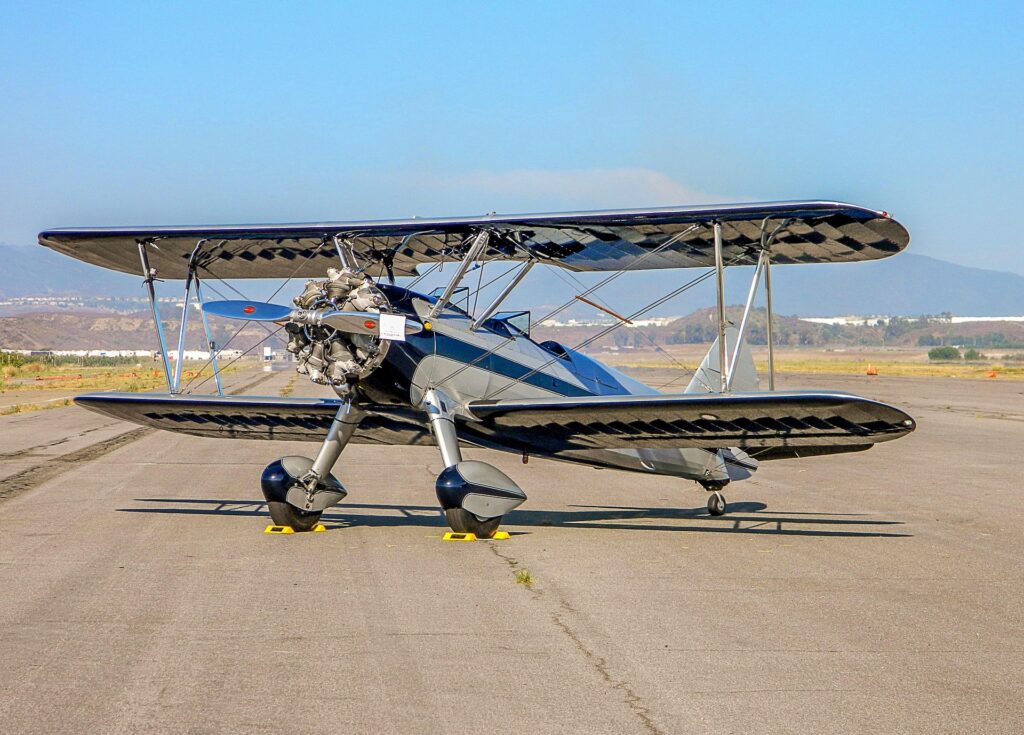
Marylanders residing in rural portions of the state can expect to see an increase in low-flying airplanes, helicopters and drones from now until October 10, 2026 as farmers participating in the Maryland Department of Agriculture’s (MDA) Cover Crop Program use aerial technology to plant seeds for rye, wheat and other cover crops in their fields.
Cover crops are an important conservation practice that producers use to help protect local waterways and the Chesapeake Bay. In Maryland, they are planted in the fall to cover bare soil that is left after main crops are harvested. They improve soil health, reduce erosion and soak up excess nutrients, helping to control runoff.
“Aerial seeding is a fast and effective way to plant fall cover crops into standing corn and soybeans,” said Maryland Secretary of Agriculture Kevin Atticks. “Planting early gives cover crops more time to establish before cold weather, allowing them to capture and recycle nutrients left behind by summer crops. Residents in rural areas should expect to see more low-flying aircraft over the next few weeks as seeding gets underway.”
Farmers enrolled in MDA’s Cover Crop Program receive grants to plant eligible cereal grains and mixes containing legumes or brassicas in the fall. Once established, cover crops provide fields with a protective cover throughout the winter, helping to reduce erosion and nutrient runoff, thereby enhancing the soil’s organic matter for spring planting. Additionally, cover crops help sequester carbon dioxide—a greenhouse gas—from the air, and protect farm fields from excessive rainfall or drought. MDA’s Cover Crop Program does not allow pesticides or fertilizers on enrolled acreage. For aerial seeding, small planes and helicopters will take off from local airports serving the area.
MDA’s Cover Crop Program is funded by the Chesapeake Bay Restoration Fund and the Chesapeake and Atlantic Coastal Bays Trust Fund. The program is administered by MDA and the state’s 23 soil conservation districts through the Conservation Grants Program. For more information, please contact your local soil conservation district.